Unique wedding ideas get thrown around a lot as a phrase, but half the time what people actually mean is “expensive” or “Instagram-worthy.” Those aren’t the same thing. A genuinely unique wedding isn’t about spending more or chasing whatever’s trending on wedding TikTok this month — it’s about the day actually reflecting who you are as a couple, rather than defaulting to whatever the venue’s package sheet suggests. I’ve helped friends plan weddings on shoestring budgets that felt more distinctive than some £40k affairs I’ve attended, purely because the couple made choices that were theirs rather than borrowed.
What Actually Makes a Wedding Feel Unique
Personalisation is the real engine here, not decor budget. The weddings that stick in my memory years later aren’t the ones with the most elaborate flowers — they’re the ones where I learned something about the couple, or laughed at an in-joke woven into a speech, or ate a dish that meant something specific to them. That’s the difference between a wedding that looks nice in photos and one that actually feels like an experience.
Guest experience matters more than people give it credit for too. Interactive, immersive touches — something to do, taste, or take home — tend to be what guests talk about on the drive home, far more than the exact shade of the bridesmaid dresses. That said, originality has to sit alongside practicality. I’ve seen couples get so attached to a concept that they lose sight of budget, or alienate half the guest list with an idea only they understand. There’s a balance, and it’s worth finding it early rather than three months before the big day when the caterer says the taco wall isn’t actually feasible in a marquee with no water hookup.
The areas where you can genuinely inject uniqueness break down fairly simply:
- The theme or overall concept for the day
- The venue and setting you choose
- How you structure the ceremony itself
- Reception entertainment, food, and drink
- Smaller touches — sustainability, tech, keepsakes — that add texture without dominating
You don’t need to reinvent all five. Pick two or three that genuinely excite you and let the rest follow a more conventional path. Trying to be original in every single category is exhausting and, frankly, often looks try-hard.
Choosing a Theme That’s Actually About You
The best themes I’ve seen have come from the couple’s own story, not a mood board. A “how we met” theme, where the decor, music, and even the food nod to the specifics of that first encounter, works because it’s impossible to copy — nobody else has your story. If you met at a dodgy Wetherspoons in Leeds, that’s more interesting material for signage than you’d think.
A travel or journey theme works similarly well if you’ve done a lot of moving around together, or if the honeymoon destination has significance. Boarding-pass invitations are a bit overdone by now, if I’m honest, but destination-inspired food and drink stations still land well because guests get to taste something new rather than just look at a nice graphic. A relationship timeline — photos and mementos positioned around the venue marking key moments — is a lovely, low-cost way to do this too, and it doubles as conversation fuel during the drinks reception when people don’t know who to talk to.
Then there’s the pop culture route. Harry Potter weddings, Midsummer Night’s Dream forest themes, full Disney fairytale set-ups — these can be genuinely joyful if done with restraint. Themed table names based on houses or characters, subtly styled stationery, that sort of thing. Where it goes wrong is when every single element screams the theme and it starts to feel more like a convention than a wedding. Gaming and geek culture themes fall into the same trap — I went to a superhero-themed wedding once where the cosplay-friendly dress code was brilliant fun, but the DJ’s insistence on an entirely comic-book-scored playlist meant nobody could actually dance.
Art-inspired concepts are a quieter option if pop culture isn’t your thing — Art Deco glamour, bold colour-blocking inspired by modern art, even a gallery-style venue with sculpture installations dotted about. Colour-forward themes, whether that’s a full neon palette or a strict monochrome, give you an easy shorthand for every decision that follows, from florals to stationery. Nature and garden themes — secret garden, romantic overgrown florals, even a rainforest concept for the more adventurous — remain popular for good reason: they photograph beautifully in almost any light and don’t date as fast as, say, a very specific 2015 rustic-chic barn look did.
Highly themed weddings do come with real trade-offs, though. On the plus side, a strong theme makes decision-making genuinely easier — once you’ve settled on Art Deco, you’re not agonising over sixty different font choices for the menus. The downside is cost (theming often means custom pieces, not off-the-shelf hire) and the risk of feeling dated within a few years, or worse, leaving guests baffled if the concept is too niche. My advice: keep the theme as a loose guiding thread rather than a rulebook, and you’ll dodge most of these problems.
Finding a Venue That Doesn’t Look Like Every Other Wedding Venue

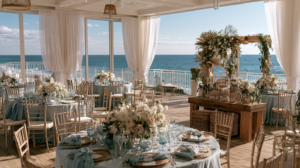
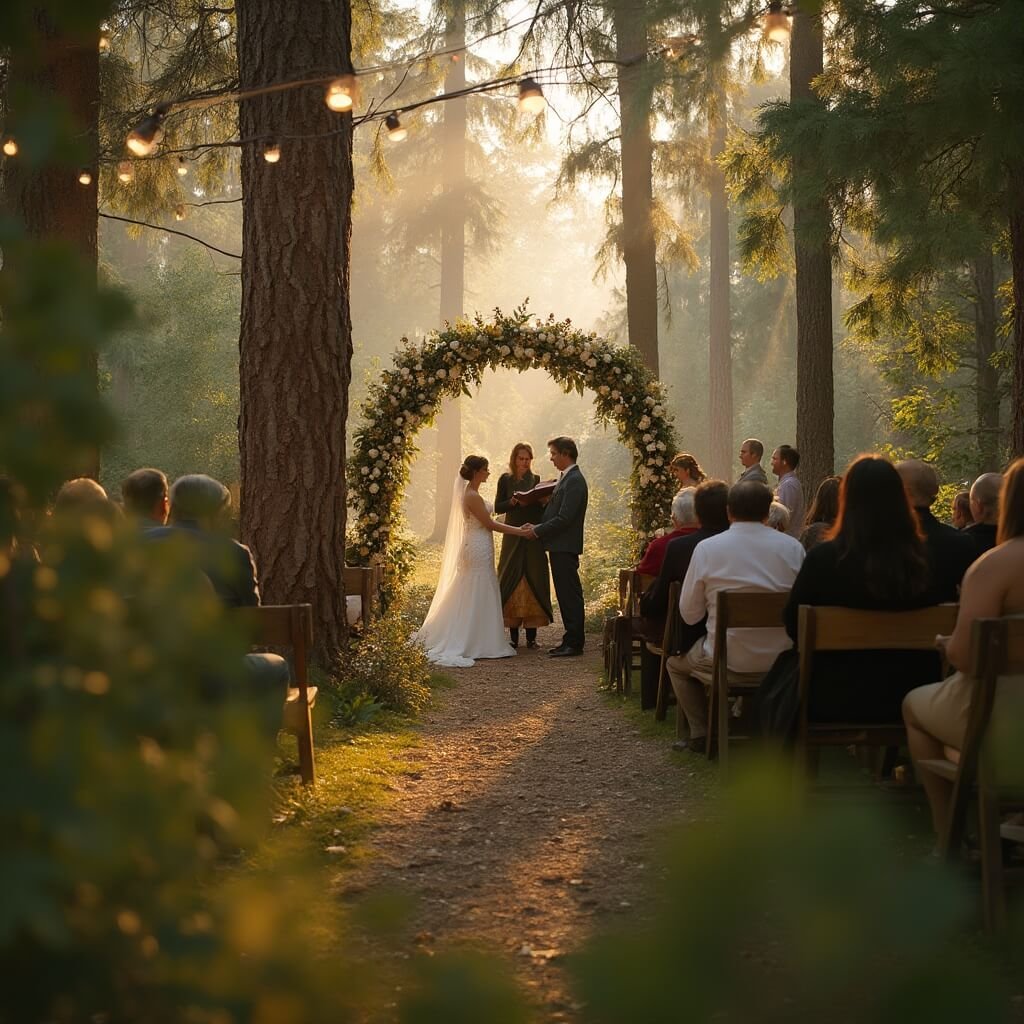
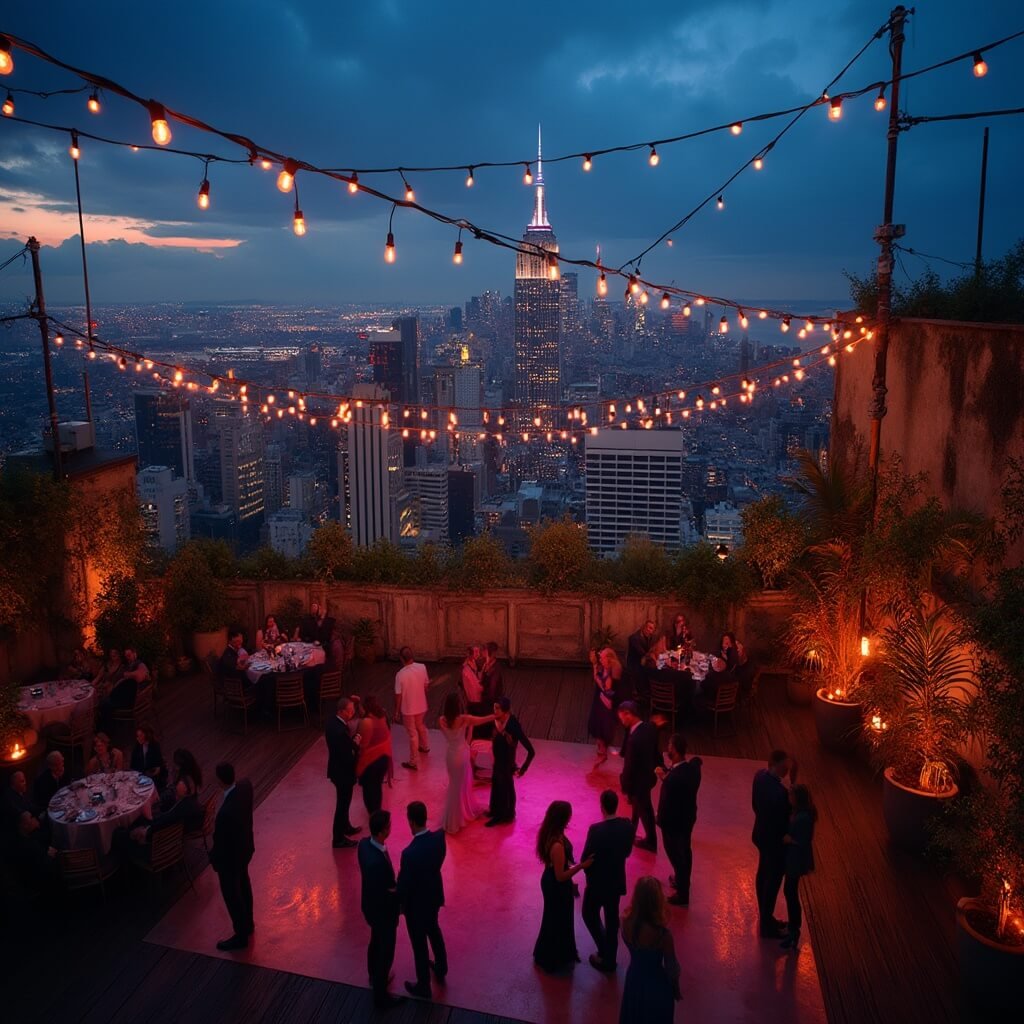
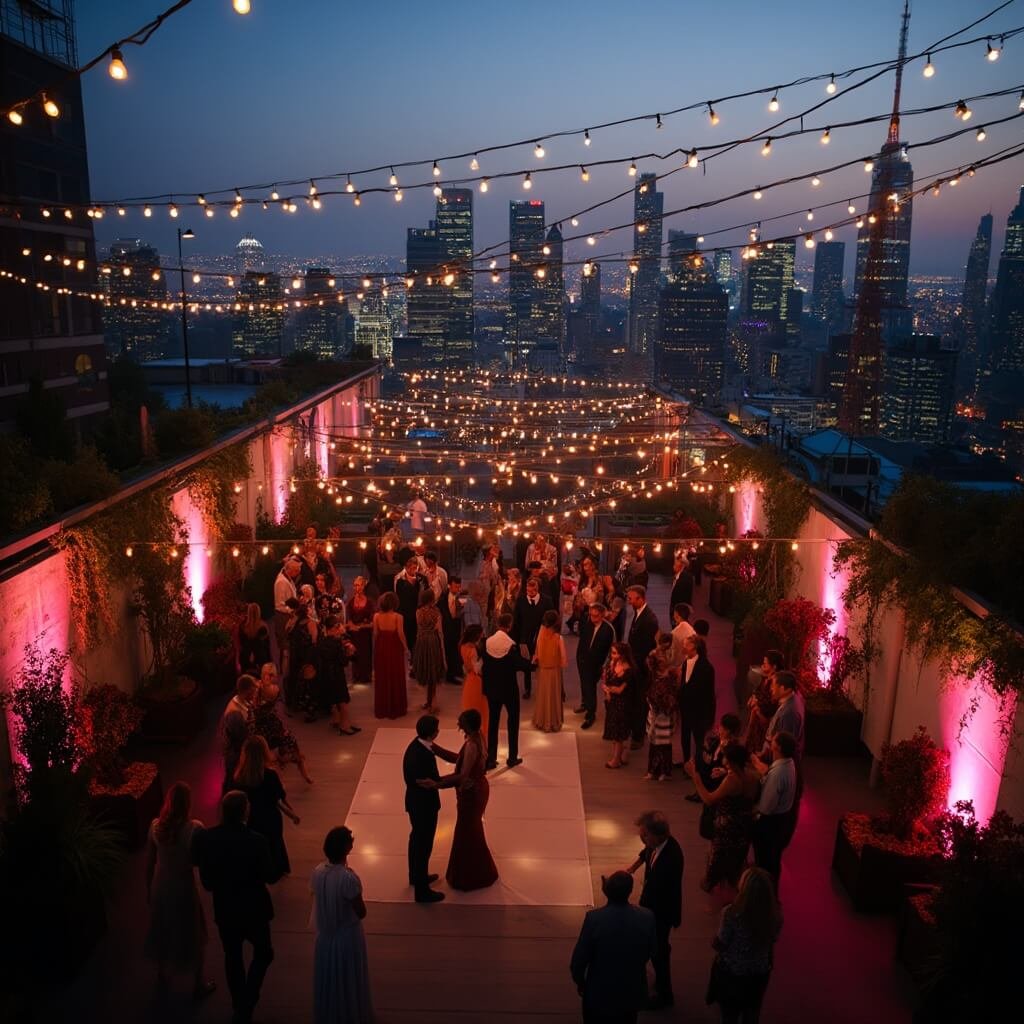
Venue choice does more heavy lifting for “uniqueness” than almost anything else, and it’s often the first decision couples make without realising how much it locks in afterwards. Outdoor spaces beyond the standard marquee-on-a-lawn are worth considering — a woodland clearing, a working farm, even a pumpkin patch if you’re marrying in autumn and don’t mind guests in wellies. Urban settings offer a different flavour entirely: a rooftop with a skyline view, a converted industrial loft, somewhere with proper character rather than blank neutral walls. Cultural venues — art galleries, small museums, old theatres — give you instant atmosphere without needing to theme heavily on top, since the building’s doing a lot of that work for you.
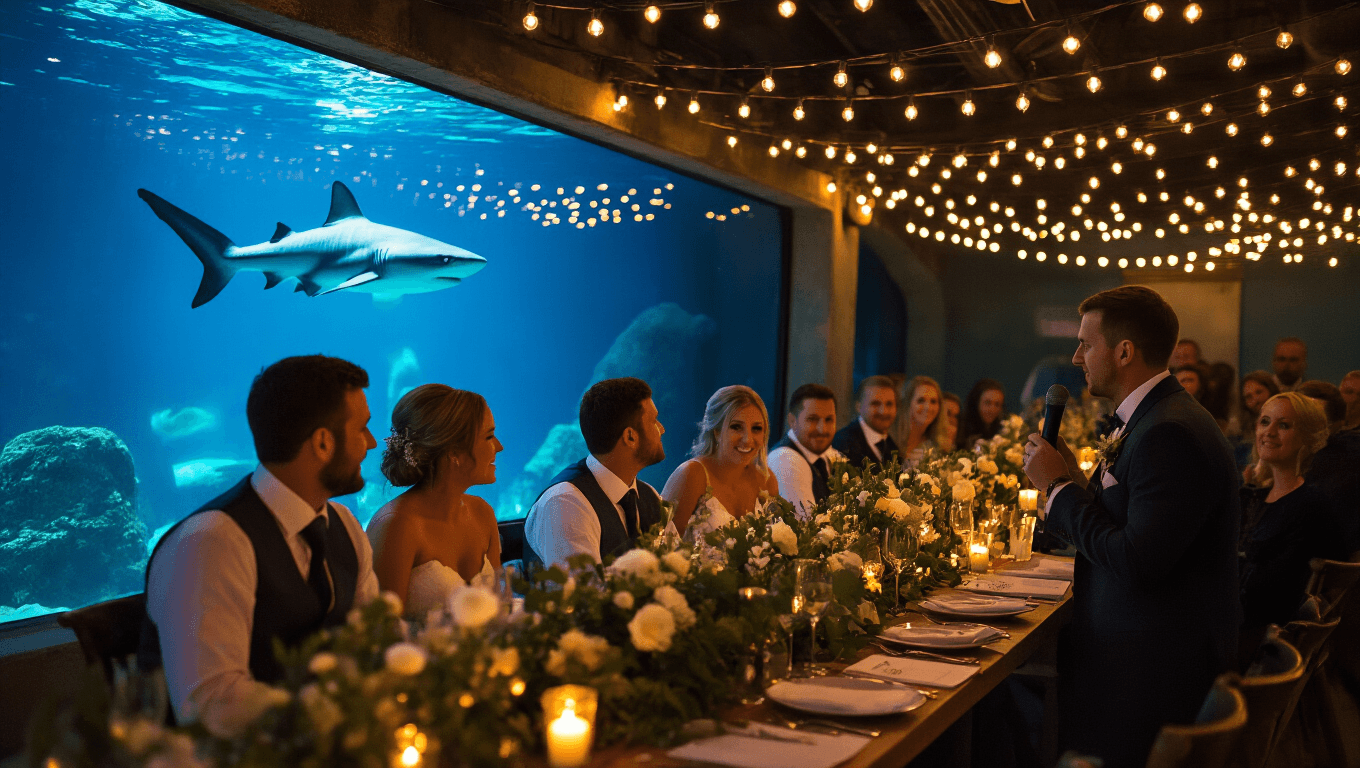
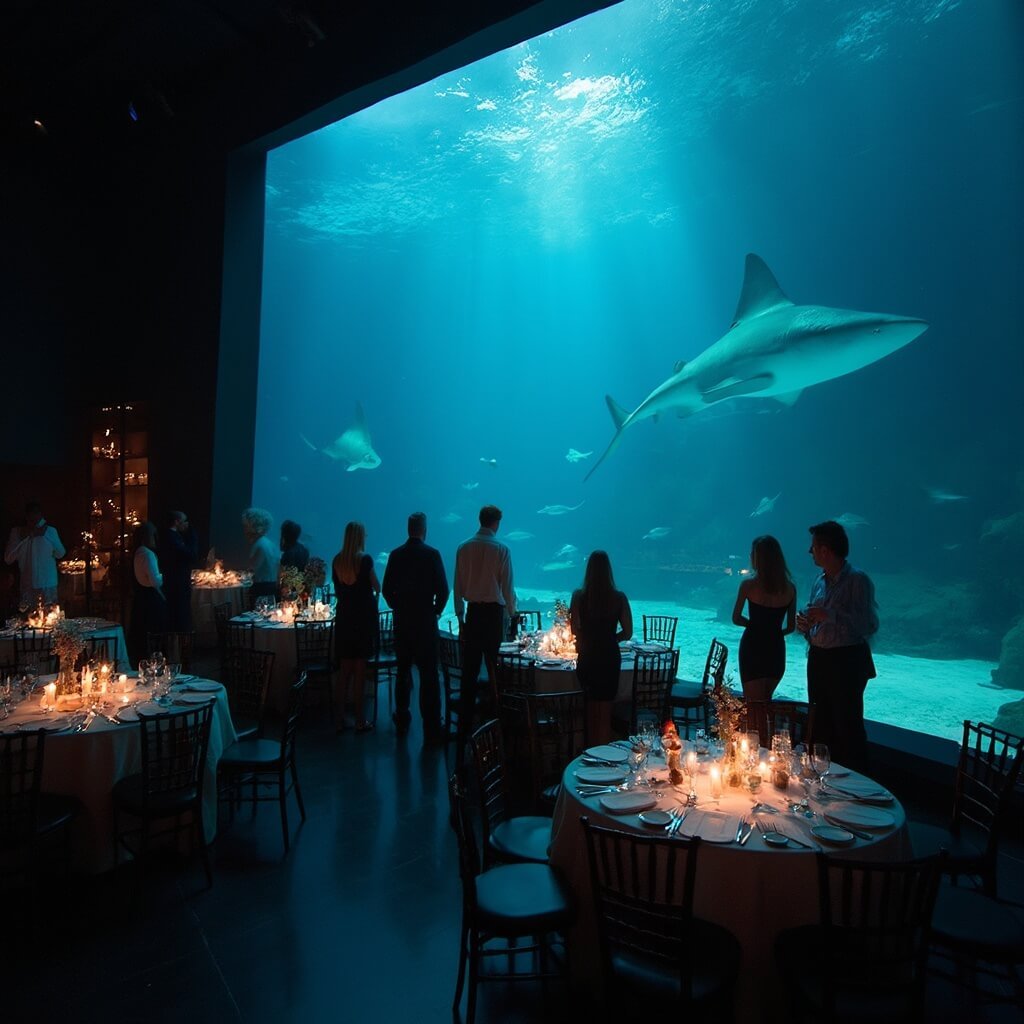
I got married in a small aquarium function room, actually, which sounds like a strange flex but bear with me. It was a wet Tuesday in March, off-peak pricing, and the venue coordinator — a genuinely lovely woman called Denise — warned us three separate times that the smell of chlorine “does linger a bit near the shark tank.” It did. Nobody complained, though a few guests spent more time watching rays glide past than listening to the best man’s speech, which in retrospect was probably a mercy given how long that speech ran.
At-home and micro-venues deserve more credit than they usually get. A backyard wedding, styled properly rather than left as “just the garden,” can feel far more intimate and personal than a generic hotel ballroom — though it takes more logistical graft (toilets, marquee hire, insurance) than people expect going in. Small restaurants, wineries, and boutique hotels work well too if you’re after something curated rather than sprawling, especially with smaller guest lists.
Whatever direction you go, the practical checklist doesn’t change much:
- Check permits and noise restrictions, particularly for outdoor sites or anywhere with neighbours nearby
- Confirm accessibility — parking, transport links, step-free access for guests who need it
- Ask directly about restrictions on candles, fireworks, confetti, or specific caterers
- Build in a genuine weather contingency if you’re outdoors or on a rooftop, not just “we’ll hope for the best”
That last point trips up more couples than any other. A backup plan isn’t pessimistic — it’s the thing that saves your day when the forecast turns, and it usually costs far less to arrange in advance than to scramble for on the morning itself.
For more inspiration on creating a personalized and unique wedding experience, check out our personalized small intimate wedding ideas and explore unique dark romantic wedding themes.
👇Shop the Look Here👇
Ceremonies That Don’t Feel Like a Rehearsal for the Reception
The ceremony itself is where I think most couples play it safest, which is a shame because it’s the one part of the day that’s actually about the two of you making promises, not about entertaining anyone. Seating is an easy place to start. Circular or spiral seating, with guests arranged around the couple rather than facing a fixed front, changes the whole feel of the thing — everyone can actually see, and there’s a togetherness to it that rows of chairs facing forward just don’t create. A smaller trick that costs nothing: leave the first row empty and have your wedding party sit there with guests instead of lining up beside you like a police identity parade. It softens the whole formality of it.
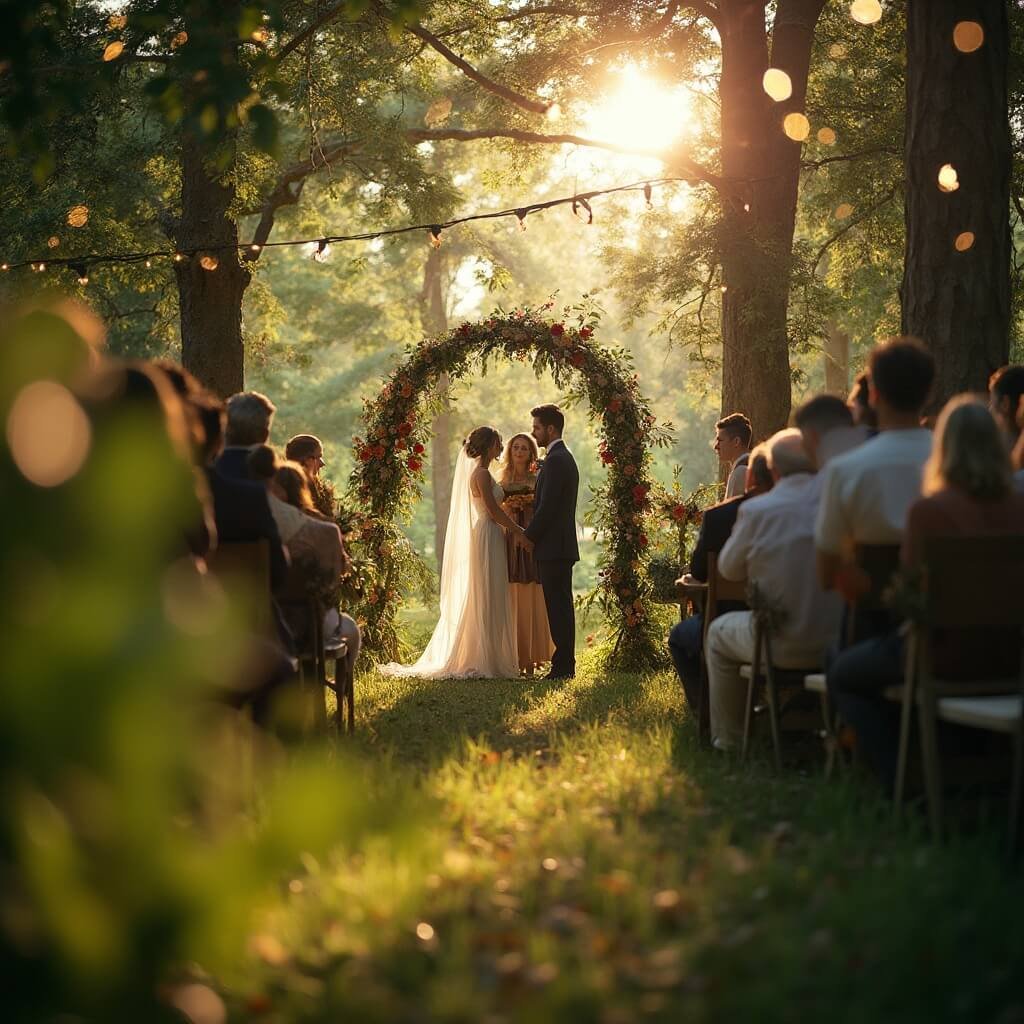
Music matters more than couples budget for, too. A friend or small ensemble playing the entrance music live, rather than a Bluetooth speaker crackling through a playlist, changes the atmosphere completely — even if they’re not professional musicians. Slightly wobbly and heartfelt beats polished and generic most days of the week.
Unity rituals are where things can get genuinely inventive without tipping into gimmick. Planting a tree together is a lovely, unfussy nod to growth and roots, and unlike a lot of ceremony decor, it’s still alive a decade later, which candles and sand jars can’t claim. Mixing paints or coloured sand to create a new shade entirely is a nice visual metaphor and works particularly well if you’ve got kids involved who want a job to do. I’ve also seen a “unity shot” — the couple knocking back a small drink together mid-ceremony — which sounds daft written down but got the biggest laugh and cheer of the whole day when I saw it done. Whiskey blending ceremonies, where each partner (and sometimes both sets of parents) pours a portion into a shared bottle, work on the same principle and give you a bottle you can actually open on an anniversary later, which is more than you can say for sand in a jar gathering dust on a shelf.
Vows are the bit I’d encourage people to spend real time on, more than any other single element of the day. Generic vows lifted from a template read exactly like what they are. Vows with specific memories, running jokes, actual promises rather than vague sentiment — those are the ones that make grown adults cry into the programme. If you’re not keen on being that exposed in front of eighty people, “ninja vows,” where you exchange your real, personal vows privately before or after the public ceremony, are a good compromise — you still say something simple and public for the crowd, but the raw stuff stays between you. For couples who want a bit of levity before the serious bit, deciding who speaks first with rock-paper-scissors or a coin toss takes the edge off any nerves and gets a laugh before anyone’s even started crying.
First looks are worth reconsidering too if you’ve defaulted to the traditional “see each other for the first time walking down the aisle” moment. An intimate first look beforehand, just the two of you, takes a huge amount of pressure off — you get your reaction, your private moment, without eighty phones pointed at your face. Doing it somewhere that actually means something, wherever you got engaged or first met, adds weight without adding cost. I know one couple who included their dog in the first look photos, and while I wouldn’t say I cried, my eyes were doing something.
Making the Reception Something People Actually Remember
Entertainment is where budget and imagination tend to have the biggest visible payoff, and it doesn’t have to mean a bigger band. Stilt walkers wandering the drinks reception pouring champagne have a genuinely circus-like effect that photographs well and gets people talking within minutes of arriving. Magicians working table to table, a couple of acrobats, a band with actual stage presence rather than background noise — these all shift the energy of a room in a way that’s hard to fake with lighting alone. If you’ve committed to a theme, performers who match it (a vintage circus act, dancers in period dress for a Gatsby concept) tie the whole thing together rather than feeling bolted on.
Live artists are an underrated addition. A painter working through the reception, capturing the room as the day unfolds, gives you a piece of art at the end of it that’s worth more than most centrepiece flower arrangements, and costs less than you’d think for a few hours’ work. A sketch artist doing quick guest portraits doubles as a favour people actually keep, rather than another jam jar of sweets that ends up in a bin by Tuesday. A calligrapher on-site for place cards is a smaller touch but a nice one — there’s something about handwritten name cards that feels considered in a way printed ones never quite manage.
Guest activities are worth thinking about beyond the usual guestbook. Lawn games during the drinks reception — cornhole, giant Jenga, Kubb if you want to look a bit continental — give people something to do besides stand around with a warm glass of prosecco making small talk with strangers. A piñata stuffed with notes or small treats works surprisingly well with adult guests who are, deep down, still delighted by the prospect of hitting something with a stick. A photo scavenger hunt with a short list of moments to capture (“get a photo of someone crying,” “find the worst dancer”) gets guests actively involved rather than passively documenting. A couple’s quiz, whether printed on the tables or built into your wedding website beforehand, is cheap to produce and consistently one of the better icebreakers I’ve seen at a top table.
The dance floor itself doesn’t have to run on autopilot either. A silent disco, or distinct themed sets through the night — a ’90s hour, a disco hour — keeps energy varied for a room that inevitably has very different tastes across generations. A private last dance, just the couple, after guests have been sent off, is a quiet, slightly bittersweet way to close the night that a lot of couples don’t think to ask for. Glow sticks or a sparkler send-off give you the visual moment for photos without the fire risk (or cost) of full fireworks.
Food and Drink That Isn’t Just “Chicken or Fish”
Interactive food stations are, in my experience, the single easiest upgrade for guest satisfaction relative to effort. A DIY taco bar or a sushi-rolling station where guests actually make their own rolls turns dinner into something people do rather than something people wait for. Pretzel bars, build-your-own pasta stations, anything with a bit of assembly — they’re casual, flexible for dietary needs, and give guests something to talk about with the people next to them while they’re deciding between toppings.
Drink stations scattered around the venue, rather than one central bar with a queue stretching to the car park, make a genuine difference to how the evening flows. A few small specialty stations — a signature cocktail here, a wine flight there — spread people out and keep the mood relaxed rather than bottlenecked. A champagne wall is a lovely visual moment if your budget stretches to it, though I’d argue a well-stocked cider or craft beer display does nearly the same job for a fraction of the price and suits plenty of venues better anyway. Don’t forget the guests who don’t drink — a proper mocktail bar, with drinks that have had actual thought put into them rather than just orange juice in a nice glass, makes a noticeable difference to how included those guests feel.
Late-night food is one of those things nobody thanks you for until 11pm, and then everyone thanks you. A food truck serving tacos or grilled cheese toasties as the night winds down soaks up a fair bit of alcohol and gives guests a second wind. A tasting menu built around places that matter to your relationship — a dish from where you went on your first proper holiday together, say — works nicely as a dinner concept if you want food to carry some of the storytelling weight instead of just decor.
Dessert is where I’d push people to be a bit bolder than the standard tiered cake. A cascading wall of macarons, doughnuts, or chocolates gives you the visual “wow” that a cake alone often struggles to, and it means guests can graze rather than wait for a formal cake-cutting moment that half the room misses because they’re at the bar. Interactive dessert bars — build-your-own s’mores, customisable cupcakes — carry the same appeal as the savoury stations. Dessert flights paired with coffee or tea are a nice, slightly more grown-up alternative if your crowd skews older or you just want the evening to feel a touch more refined without losing the personality.
None of this needs to happen all at once, and honestly, trying to cram in a taco bar, a champagne wall, a silent disco, and a live painter is how you end up with a wedding that feels like a corporate away-day rather than your actual marriage. Pick the two or three unique wedding ideas that genuinely sound like fun to you — not what you think will photograph well — and spend your budget and energy making those brilliant instead of spreading it thin across everything on this list. That’s the bit people actually remember afterwards, chlorine smell and all.
👇Shop the Look here 👇