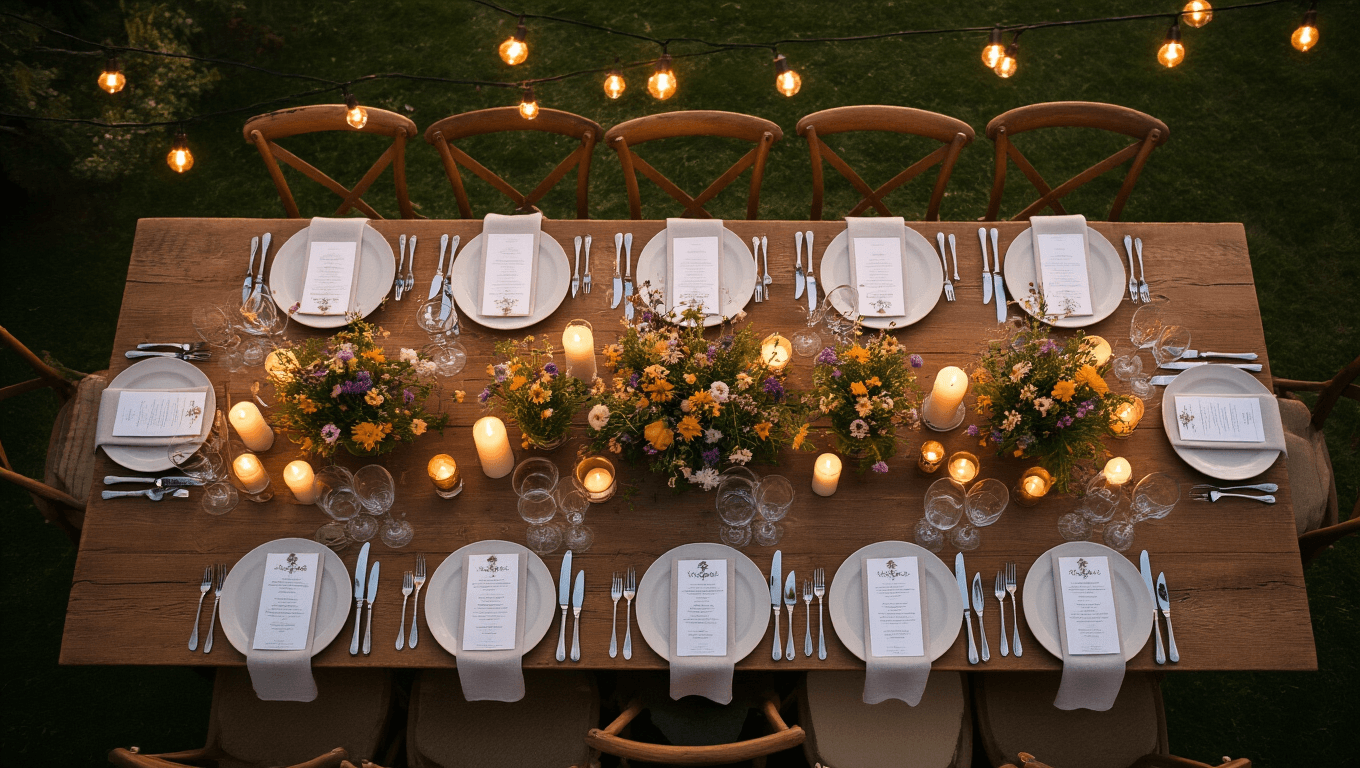
If you’re worried a small wedding will feel like a lesser version of the “real” thing, let me put that to rest early. It won’t. I’ve been to a 200-person wedding where I spoke to the bride for roughly forty seconds all day, and I’ve been to a 28-person one where we all ended up barefoot on the lawn at midnight and the groom’s dad gave a speech that made everyone cry. Guess which one people still talk about.
Small weddings — usually somewhere under 50 to 75 guests — have gone from being the fallback option to being the thing a lot of couples actively want. Less scale, less formality, less money spent on people you barely see. More of everything that actually matters.
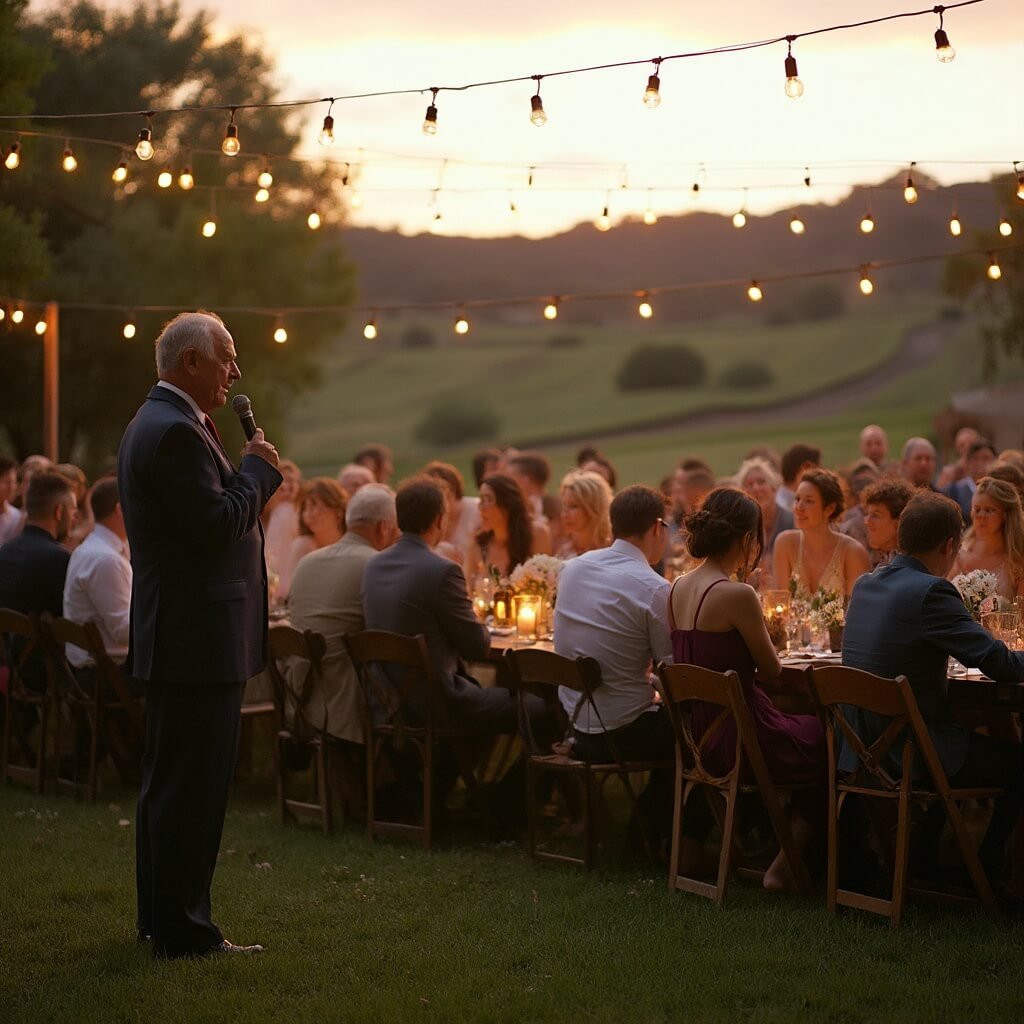
What Counts as a Small Wedding, Really?
The terms get muddled, so let’s sort them out. Broadly, a small wedding sits under 50 guests, though plenty of planners stretch “intimate” up to about 75. Some guides put the sweet spot at 30 to 50 — your nearest and dearest, essentially, with none of the plus-ones-of-plus-ones you’ve never met.
A micro wedding is smaller again, roughly 10 to 50 people. Think immediate family and your closest friends. The thing that separates a micro wedding from an elopement is structure: you still get a proper ceremony and a proper reception, just at a scale that lets you actually enjoy both. It’s the format of a traditional wedding with the intimacy of running away together.
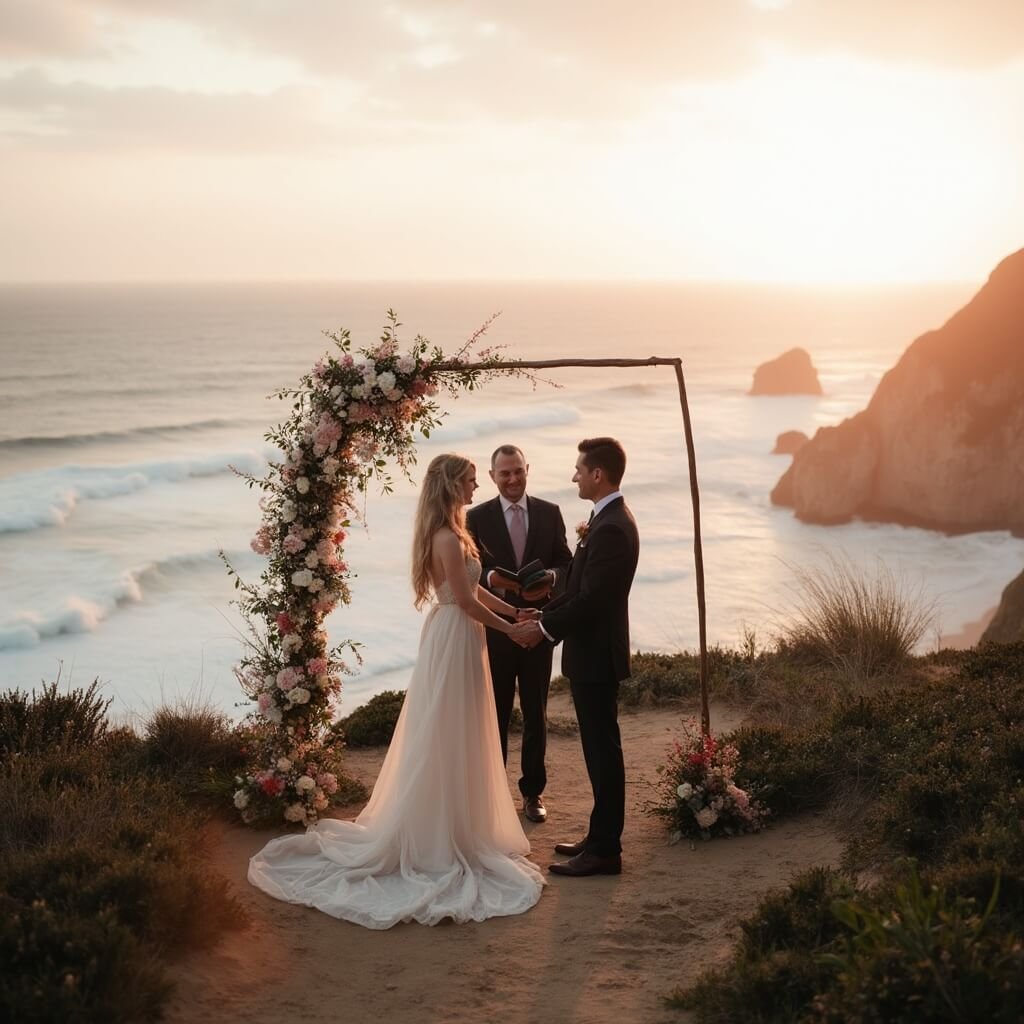
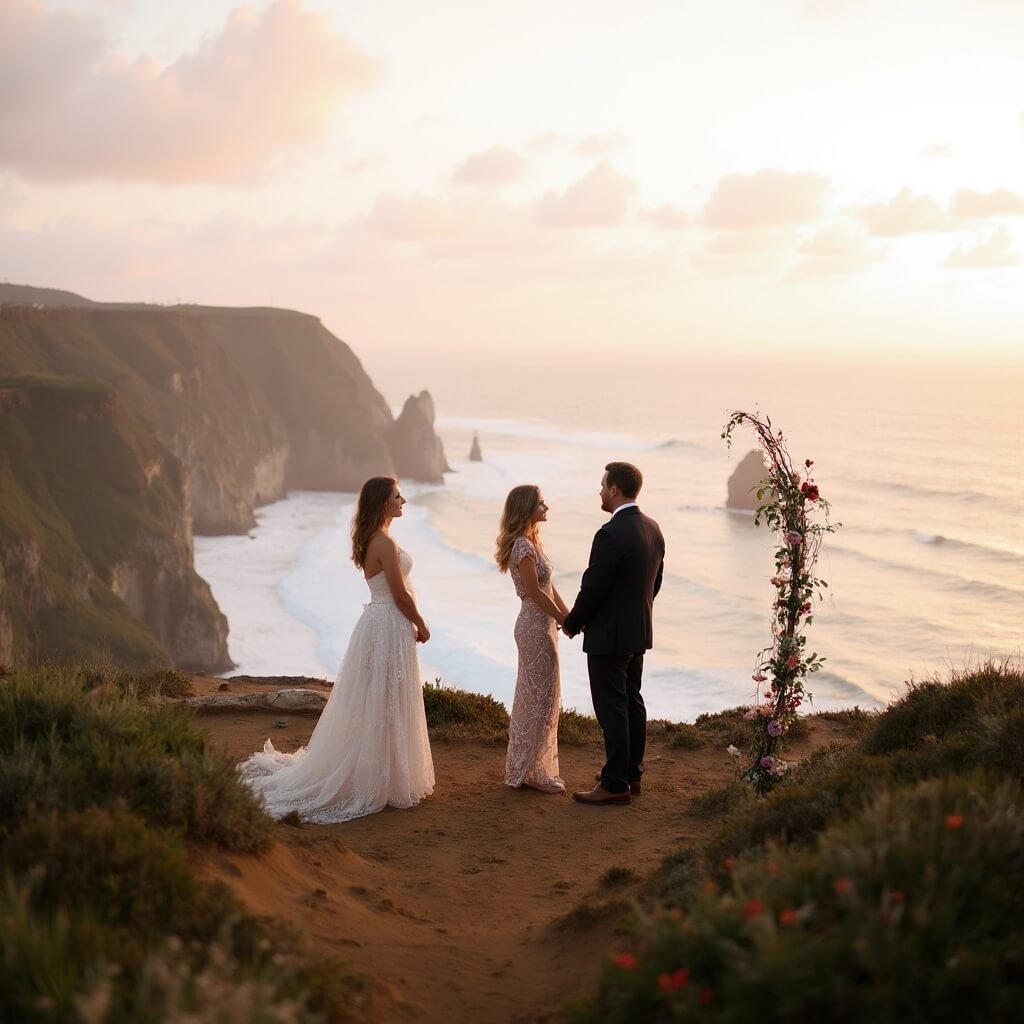
An elopement, meanwhile, is usually just the two of you, or maybe a handful of witnesses. Often somewhere with a view — a clifftop, a vineyard, a registry office followed by lunch that costs more than most people’s wedding cake. The line between “micro” and “elopement” blurs, and honestly it doesn’t matter what you call it. What matters is deciding roughly how many faces you want looking back at you.
Why So Many Couples Are Going Small
The emotional case is the strong one. With fewer people, you actually get time with each of them. You’re not doing a fifteen-second lap of thirty tables. You can sit down, have a real conversation, and remember it afterwards.
Small weddings also make room for the personal stuff — custom vows, a ritual that means something to just the two of you, decor that tells your story rather than following a Pinterest board. And there’s simply less to manage, which means less stress in the six months beforehand. Fewer guests, fewer moving parts.
Then there’s the money, which is where things get genuinely interesting. Guest count is the single biggest cost driver at any wedding, so cutting it changes the whole equation:
- Catering and drinks scale directly with headcount — halve the guests, roughly halve that bill.
- Rentals (tables, chairs, linens, glassware) shrink too.
- Favours, stationery, and transport all cost less when there are fewer of them.
The clever part is what you do with the difference. Because you’re not feeding 150 people, you can splurge on the handful of things you actually care about. A photographer whose work you love. A proper tasting menu instead of chicken-or-fish. A villa for the weekend rather than a function room for an afternoon. You’re spending the same money on fewer people, so each person’s experience gets better.
Logistics get simpler too. Permits, timelines, seating plans, sorting out where everyone’s sleeping — all far more manageable with 30 people than 130.
The Trade-Offs Nobody Warns You About
I’d be doing you a disservice if I made it sound entirely frictionless. The guest list is where small weddings get politically dangerous.
When you can only invite 30 people, every name is a decision, and some of those decisions will upset someone. Aunts who assumed they were coming. Colleagues who invited you to theirs. A cousin who’s technically family but you haven’t spoken to since 2019. You will need to communicate, clearly and early, that this is a deliberately small celebration with limited capacity — not a snub. That framing genuinely helps, even if it doesn’t work on everyone.
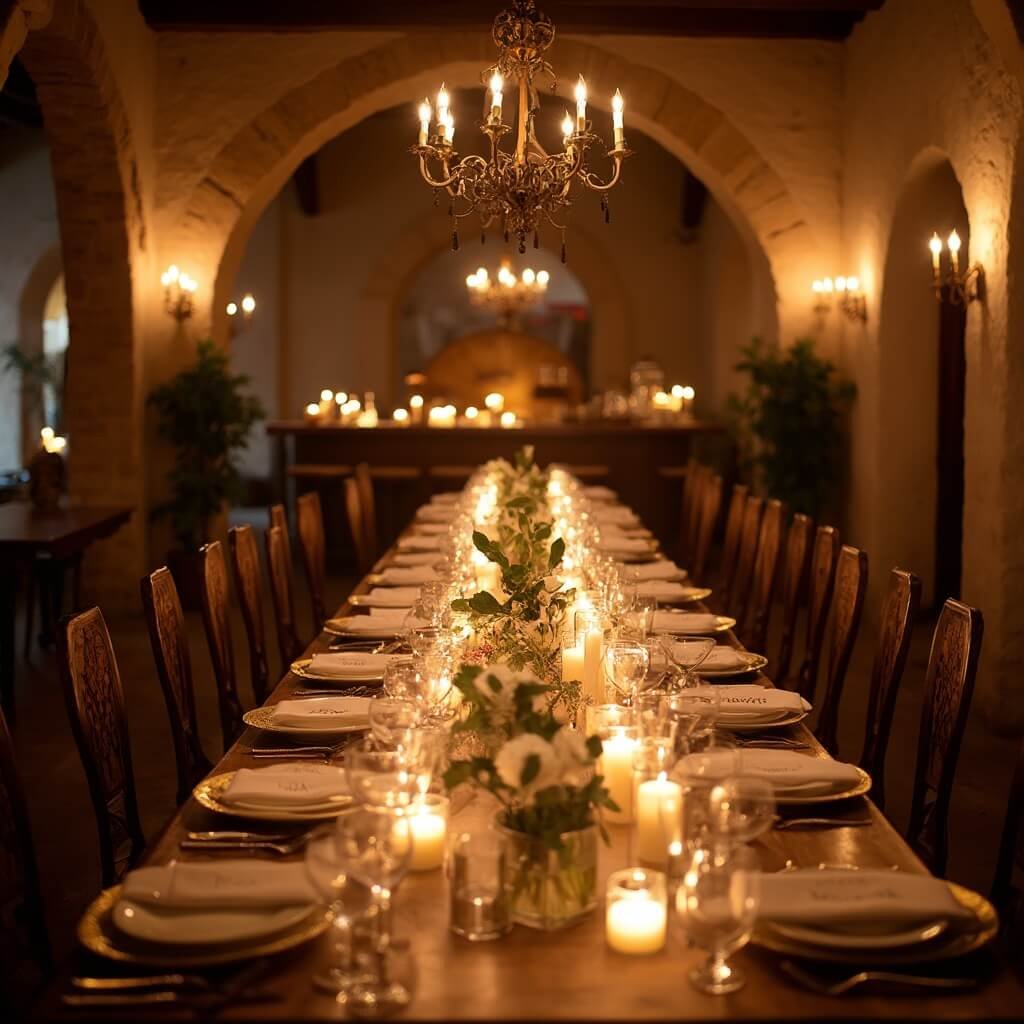
Some couples also worry the day might feel too plain, like it’s missing the grandeur that makes a wedding feel like An Occasion. I understand the fear, but I think it’s misplaced. A small wedding done with intention — thoughtful lighting, a menu you’ve actually chosen, music that means something — feels considered rather than sparse. The grandeur of a big wedding is often just… volume. Volume isn’t the same as feeling.
One practical warning on venues. A lot of larger venues and their packages are built around high headcounts, which makes them lousy value for a micro wedding. You’ll be paying for a room that dwarfs your group, or hitting minimum-spend requirements designed for 120 guests. And you want suppliers who understand small events — people who won’t either overproduce it into something bloated or, worse, treat it as barely worth their time.
What’s Actually Trending for 2025 and 2026
Micro weddings at boutique hotels, villas, and heritage properties are having a real moment — 20 to 50 guests somewhere with character rather than a hotel ballroom. Increasingly these turn into multi-day affairs, where guests share a weekend of meals, walks, and a bit of lazing about, so the wedding becomes a proper get-together rather than a single frantic day.
Story-driven weddings are another one I’m genuinely fond of. Couples building the day around their own history — the pub where they met, a country they’ve travelled through, a shared obsession with terrible films or good cheese. It runs through the vows, the menu, the playlist. When you’ve only got 30 guests, all of whom know you, this lands beautifully because everyone gets the references.
Food is where a lot of the budget’s now going, and rightly. Oyster stations, gelato carts, a curated bar with three excellent things instead of a generic open bar pouring warm white wine. For a small group you can do a restaurant-style tasting menu, which is completely unfeasible at scale but very doable for 25 people.
And there’s the tech layer — QR codes for instant photo sharing, digital guest books, and live-streamed ceremonies for the people who genuinely couldn’t make it. I’m mildly sceptical of live-streaming as a default (it can turn your ceremony into a video call), but for a grandparent who can’t travel, it’s worth every bit of the faff.
Getting Clear on Your Vision Before You Book Anything
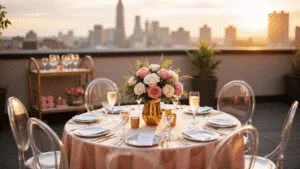
Before you look at a single venue, work out the vibe. Minimalist, rustic, boho, modern, formal — or something that doesn’t have a tidy label yet. Are you picturing a cosy dinner party, a garden party, a rooftop do at golden hour, or the two of you on a mountainside somewhere? These aren’t just aesthetic questions; they dictate almost everything that follows, from venue type to what you wear.
Then get honest about your emotional priorities. What do you actually want to remember? For some couples it’s the ceremony itself. For others it’s the food, or the photographs, or simply everyone being relaxed enough to stay late. Pick your two or three, because those are where you invest — and everything else, you’re allowed to simplify guilt-free.
Setting a Budget That Fits a Small Wedding
Decide your total number first, then break it down by category: venue, food and drink, attire, decor, photo and video, entertainment. Do this before you fall in love with anything, because it’s much harder to be sensible once you’ve seen the vineyard.
The thing to understand is that small doesn’t automatically mean cheap. A micro wedding can be genuinely budget-friendly or quietly luxurious — the scale is the same, the spend per head is what shifts. A backyard supper for 25 and a Michelin-level weekend for 25 are both “small weddings.”
Your two biggest levers are unique to going small. Guest count is the obvious one — it drives catering and rentals more than anything else. The second is flexibility on venue and date. Because you’re not confined to places that can hold a crowd, you can look at restaurants, small halls, private dining rooms, even a good Airbnb with a garden. And an off-peak date or a weekday can shave a startling amount off both venue and supplier fees. When I helped a friend plan hers a couple of Januarys ago, the venue quoted her nearly a third less for a Thursday in February than for a Saturday in June — same room, same food, and the only real downside was that it got dark by half four, which we solved with an absurd number of candles and nobody complained once.
Building the Guest List Without Losing Friends
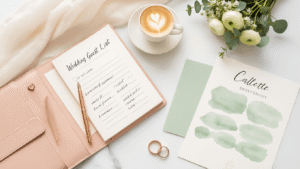
Start from the centre and work out. Immediate family, then closest friends, then — carefully — anyone else who genuinely belongs there.
👇Shop the Look Here👇
Setting a Firm Guest List
It’s important to set a hard number early on, whether that’s 20, 30, or 50, and treat it as fixed. Not “roughly 30 unless we think of more people,” but 30. Numbers with wiggle room always creep upward, because there’s always one more person who technically deserves an invite. Fixed numbers force better decisions.
Managing the fallout takes more tact than the guest list itself. If your circle is used to big weddings, some people will assume they’re on the list before you’ve said a word. It’s kinder to correct that assumption early than to let it fester until the invitations go out. I’d say it plainly: this is going to be a small, deliberately intimate day, and the guest list reflects that rather than anything personal. Most people are more understanding than you’d expect, particularly if you frame it as a choice about the day rather than a judgement about them.
If you’re worried about the people left off feeling forgotten, consider a second, separate event — a relaxed party a few weeks later, drinks rather than dinner, no ceremony, just a chance to celebrate with the wider circle. It takes pressure off the guest list entirely, because nobody’s genuinely excluded; they’re just invited to a different sort of thing.
Choosing When and How the Day Unfolds
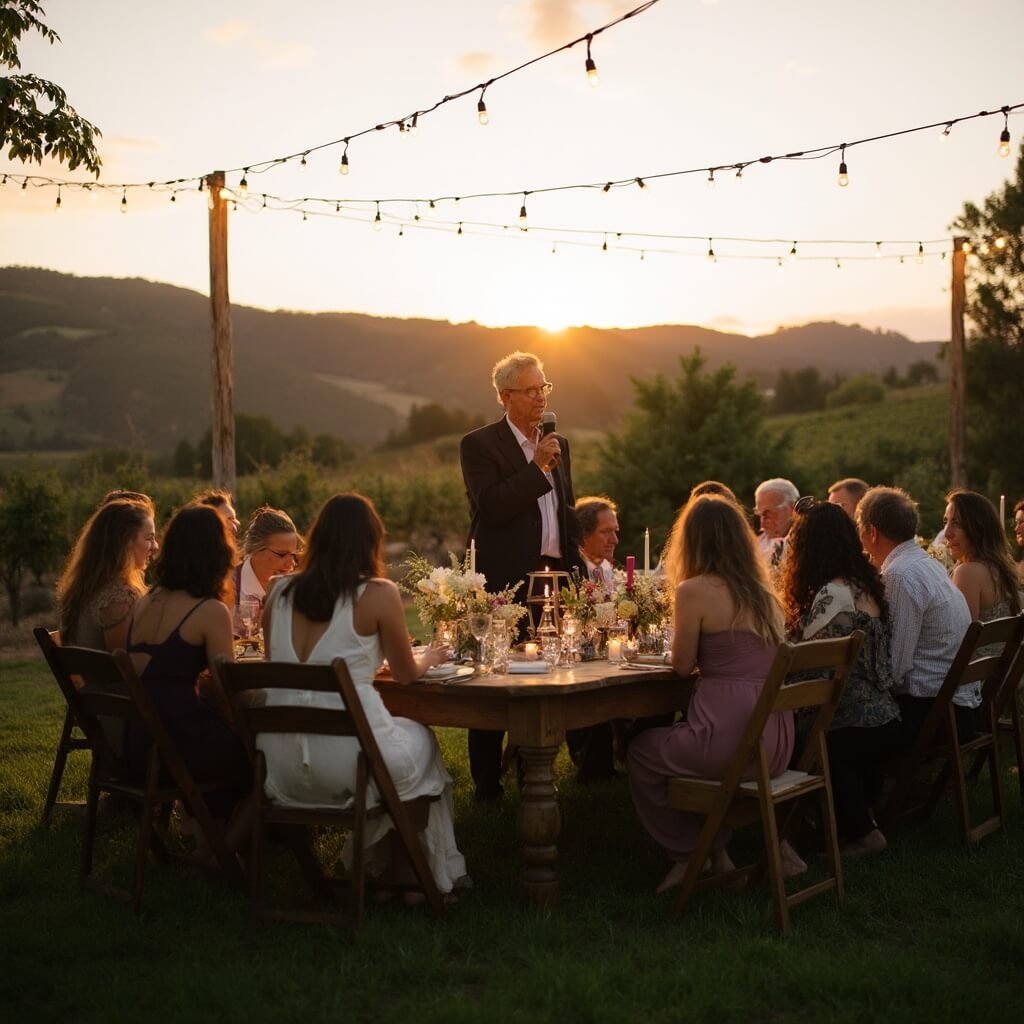
Date and time matter more for a small wedding than people expect, partly because you have far more freedom to play with both. Off-season dates are the obvious saving — venues and suppliers with quieter calendars are often keener to negotiate, and you’re not competing with six other couples for the same florist. Weekday and Sunday weddings work the same way; a Friday afternoon do can be booked at a fraction of a Saturday’s price, and with a smaller guest list you’re not asking dozens of people to take annual leave, just a handful.
Time of day changes the whole feel, too. A brunch wedding — morning ceremony, midday reception, everyone home by early evening — suits a relaxed, low-key group and tends to be considerably cheaper, since lunch costs less than dinner and nobody’s expecting a full open bar at 11am. An evening candlelit affair goes the other way entirely: more intimate, more romantic, and it leans into exactly the kind of atmosphere a small guest list does best, because low lighting and quiet conversation work far better with 30 people than 300.
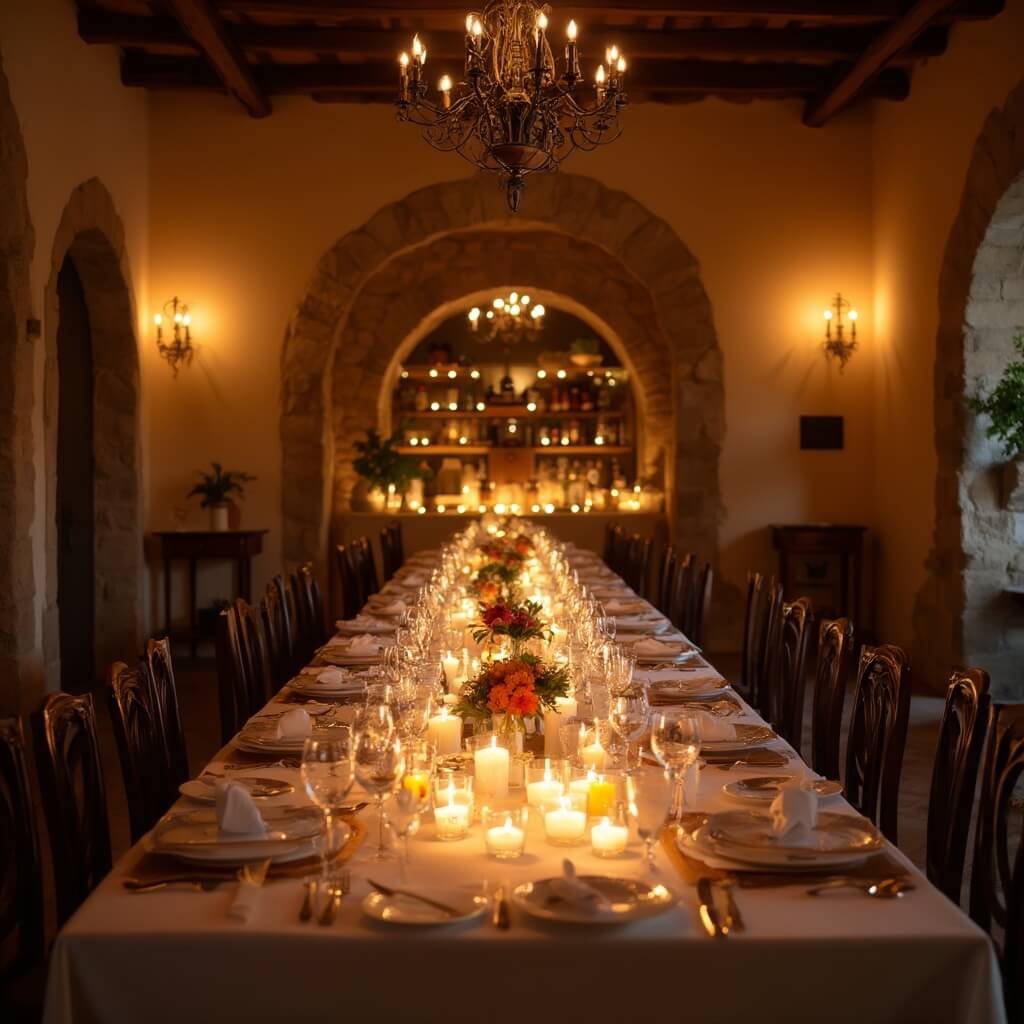
Neither is more “proper” than the other. It genuinely comes down to what kind of day you and your partner actually enjoy, rather than what a traditional wedding is supposed to look like.
Final Thoughts on Planning
If I were advising a couple starting from scratch today, I’d say this: pick your number before you pick your venue, protect your budget for the two or three things you actually care about, and don’t apologise for any of it. A small wedding isn’t a smaller version of a big one — it’s a different, better-fitting shape for the people who choose it. Start there, and the rest of the planning tends to sort itself out.
For more inspiration, consider exploring small intimate wedding ideas or checking out creative suggestions for a unique celebration from Small Wedding Ideas That Feel Anything But Compromised and Creative Small Wedding Ideas for an Intimate Celebration.
👇Shop the Look here 👇