Cheap wedding ideas are usually the first thing people search for once the initial excitement wears off and someone opens a spreadsheet. That moment tends to arrive fast. You start pricing venues, get a quote back from a caterer, and suddenly the number in your head bears no resemblance to reality.
So let’s talk about what a “cheap” wedding actually means, because it’s not one thing. For some couples, cheap means under £1,000 — a registry office booking, a meal at their favourite pub, done. For others, it’s a more considered £5,000-£10,000 wedding that still has a proper venue and a photographer, just without the extras that inflate costs without adding much joy. Both are valid. Both require the same mental shift, though: you have to stop measuring your wedding against some imaginary “normal” wedding and start measuring it against what actually matters to you.
What Actually Drives Wedding Costs
Before you start clipping coupons on ribbon, it’s worth understanding where the money really goes. It’s almost always guest count, venue, and food — in that order of impact, generally. Everything else (favours, stationery, the specific brand of fairy lights) is small change by comparison.
I say this because I’ve watched friends agonise over £40 invitation costs while sending them to 140 people. Cut the guest list to 70 and you’ve just saved more than any amount of DIY decor ever could — on catering, on drinks, on the size of venue you need, on rentals. It’s the single biggest lever you have, and most people reach for it last, if at all, because trimming names off a list feels personal in a way that swapping roses for candles doesn’t.
Once you’ve settled on numbers, the next big shift is accepting that non-traditional formats and venues aren’t a downgrade — they’re just different. A Sunday brunch in a friend’s garden isn’t a lesser version of a Saturday evening hotel wedding. It’s its own thing, and if you plan it well, most guests will remember it more fondly than another formal sit-down dinner they’ve been to a dozen times already.
Deciding What You Actually Care About
Before you cut anything, sit down and name your top three priorities. Maybe that’s having your gran there, a good photographer, and decent food — everything else becomes negotiable once you know that. I did this exercise with a friend last spring, sat at her kitchen table with two glasses of wine and a notepad, and it took about twenty minutes to completely reorder her plans. She’d been agonising over flowers. Turned out she didn’t care about flowers at all — she cared about the band being good and her food being the one from her favourite Vietnamese place. Once that was clear, the flower budget became about £60 for market bunches in jam jars, and nobody noticed or minded.
This is the trade-off game, really. You will give something up. The trick is choosing consciously rather than by default, so you’re not the couple who spent too much on chair covers and then couldn’t afford a photographer worth hiring.
Setting a Budget You’ll Actually Stick To
A proper budget needs categories — venue, food, drink, attire, decor, photography, stationery — and it needs to include the costs that sneak up on people: service charges, VAT, permits if you’re using a park, delivery fees for rentals, and tips. I’d add 10% on top of whatever total you land on, purely because something always costs more than the quote suggested. Corkage fees are a classic one nobody budgets for until the venue mentions it in passing.
Timing is one of the cheapest tools available to you, and it costs nothing to use it:
- A Thursday or Friday wedding can be considerably less than a Saturday at the same venue, sometimes by 20-30%
- Winter dates, particularly January and February, are quiet months for most venues and suppliers, so you have more leverage to negotiate
- A brunch or lunch reception cuts your catering and bar bill dramatically — people drink less, eat less, and expect less at 11am than they do at 7pm
None of these feel as fun to plan around as “Saturday in June,” admittedly. But a Tuesday afternoon wedding with good food and a relaxed crowd beats a rushed, overspent Saturday most times.
Small Weddings Aren’t a Compromise
There’s a persistent idea that a big wedding is more of an occasion, more generous, more “real.” I don’t buy it. A micro wedding — 20 to 40 people — lets you spend proportionally more per guest on food and drink while spending far less overall. You can also just do things a 150-person wedding can’t: a sit-down dinner cooked by someone’s actual chef friend, wine chosen by the person who knows wine, a venue too small to host anyone else.
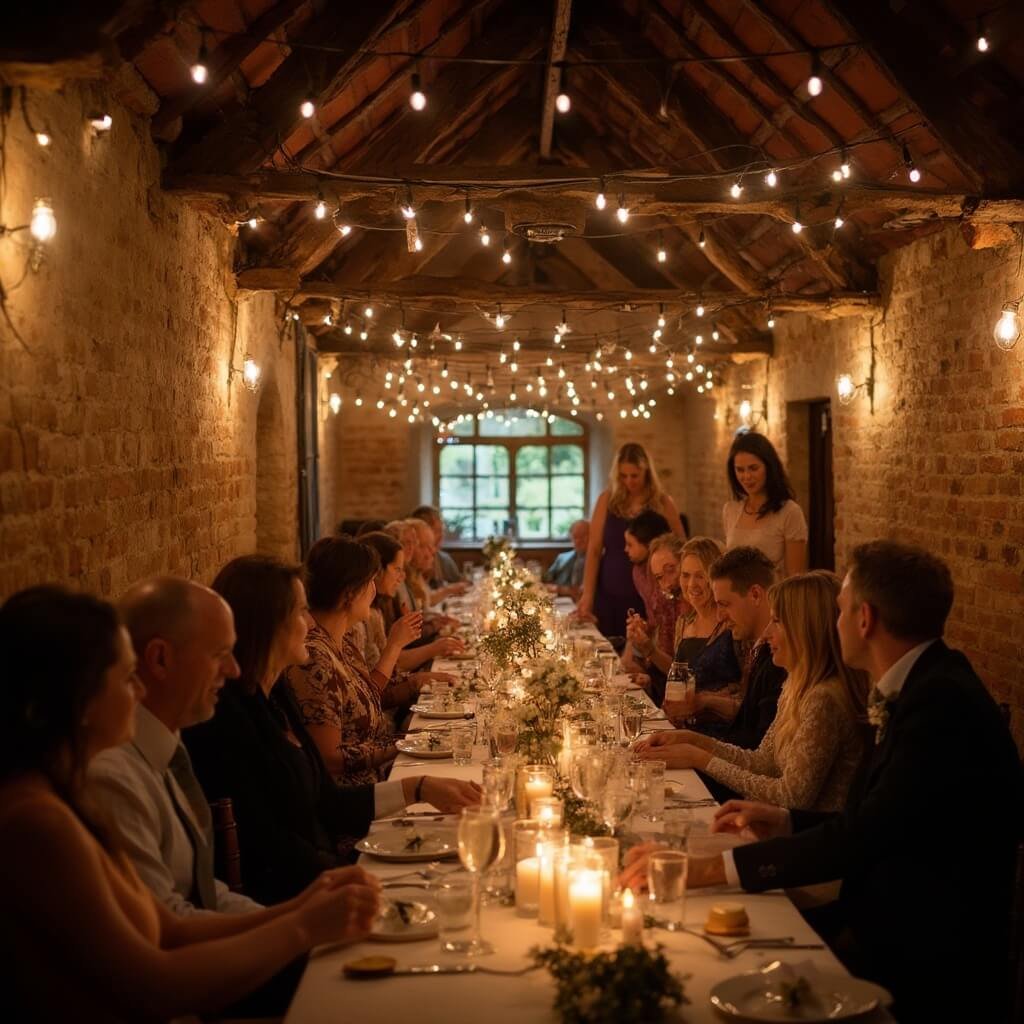
Combining ceremony and reception into a single location is another underused trick. Two venues means two sets of hire fees, transport for guests, and often a dead hour in between where people don’t know what to do with themselves. One location, even a slightly imperfect one, tends to work better in practice than two beautiful ones stitched together.
Where to Actually Get Married Without Overspending
Backyard weddings get romanticised a lot, and rightly so in some ways — they’re often free or nearly free, and there’s something genuinely lovely about getting married somewhere that means something to you. But they come with real logistics: where do 60 people use the toilet, what happens if it rains, do you need a marquee, does the neighbour mind noise until midnight. I’m not saying don’t do it. I’m saying budget time and a bit of money into solving those problems, because “it’s free” quickly becomes “it’s free, plus £800 in portable toilet hire and a gazebo.”
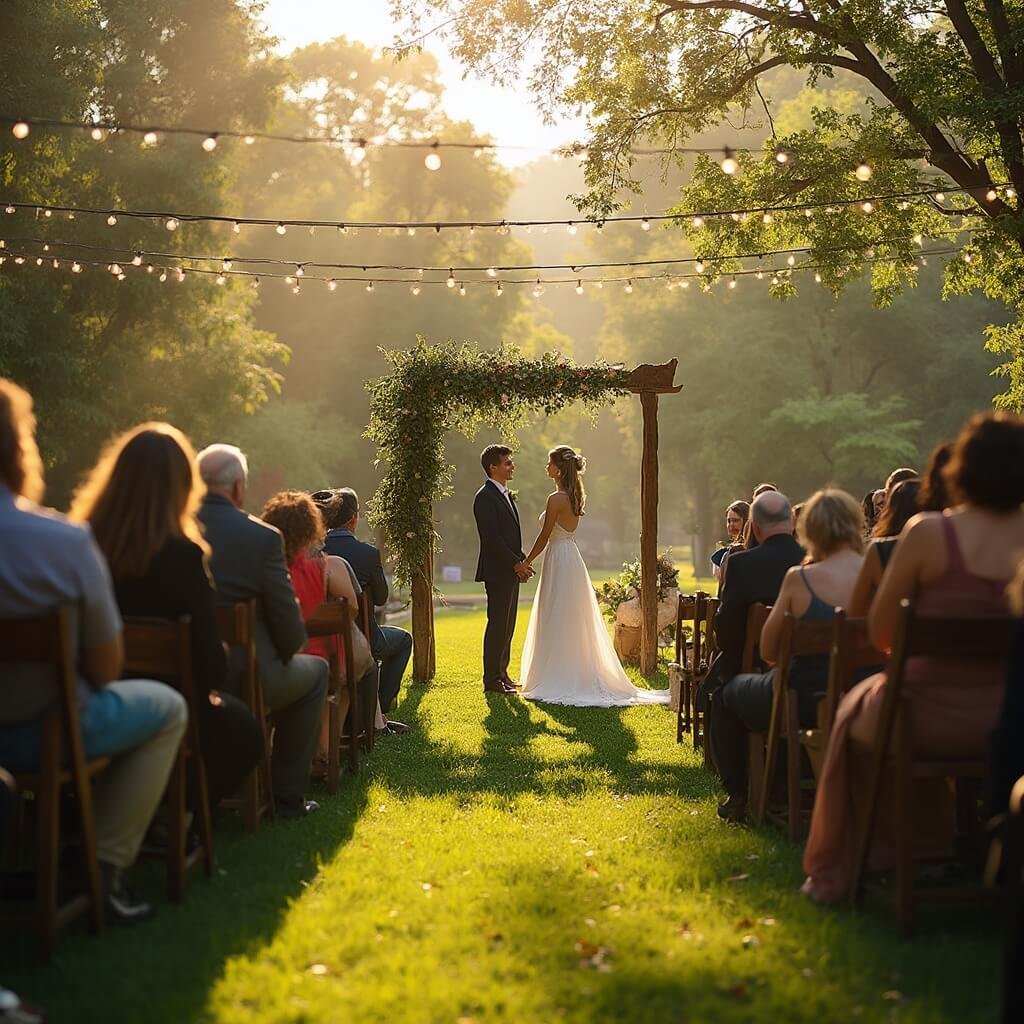
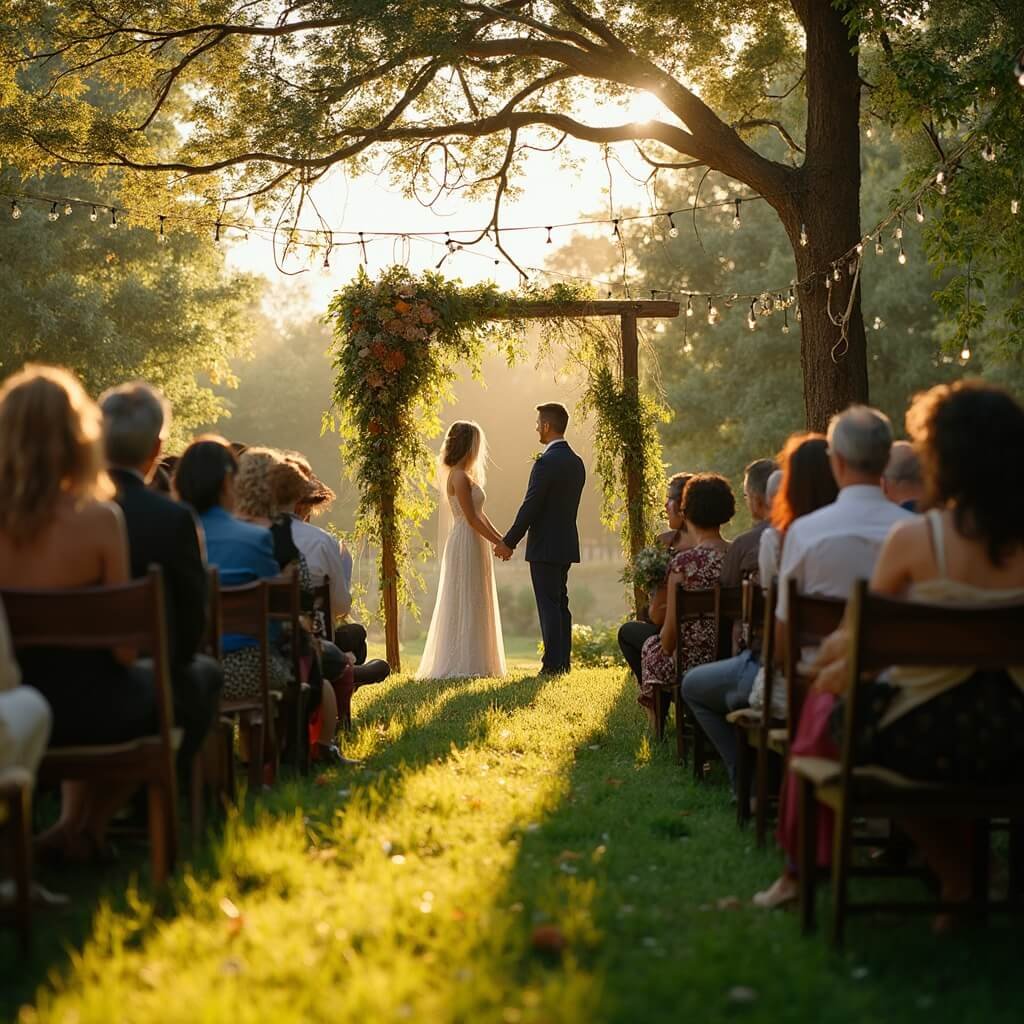
Public parks and beaches are a genuinely underrated option. Council permits for a park ceremony are often under £100, sometimes free if you’re not blocking public access, and nature does most of the decorating for you — you need an arch, some chairs, and not much else. Community halls and village halls are similarly cheap and criminally overlooked because they don’t photograph as well on Pinterest as a barn does. They’re usually plain enough that you can dress them however you like, and they come with tables, chairs, and a kitchen already sorted.
Small restaurants, cafés, and brewpubs bought out for a few hours are worth asking about even if they don’t advertise weddings — plenty of venues will do a private booking for a flat fee or minimum spend, and you get proper catering built in without hiring anyone separately.
A few tactics apply regardless of venue type:
- Book off-peak whenever the venue allows it
- Negotiate a shorter hire window — four or five hours instead of a full day — since most venues charge by time
- Prioritise venues that already include tables and chairs, because rental delivery and collection fees add up fast
- Ask directly whether outside catering and BYOB are allowed, since venue-exclusive catering contracts are one of the biggest hidden cost inflators going
Food and Drink Without the Formal Dinner Price Tag
Buffet and family-style service cost less per head than plated dinners, mostly because they need less waiting staff. Cocktail-style receptions with passed canapés work even better for very tight budgets, provided your guests know in advance that it’s not a full meal — nobody minds a lighter spread if they’re expecting it, but hungry guests who expected dinner will grumble.
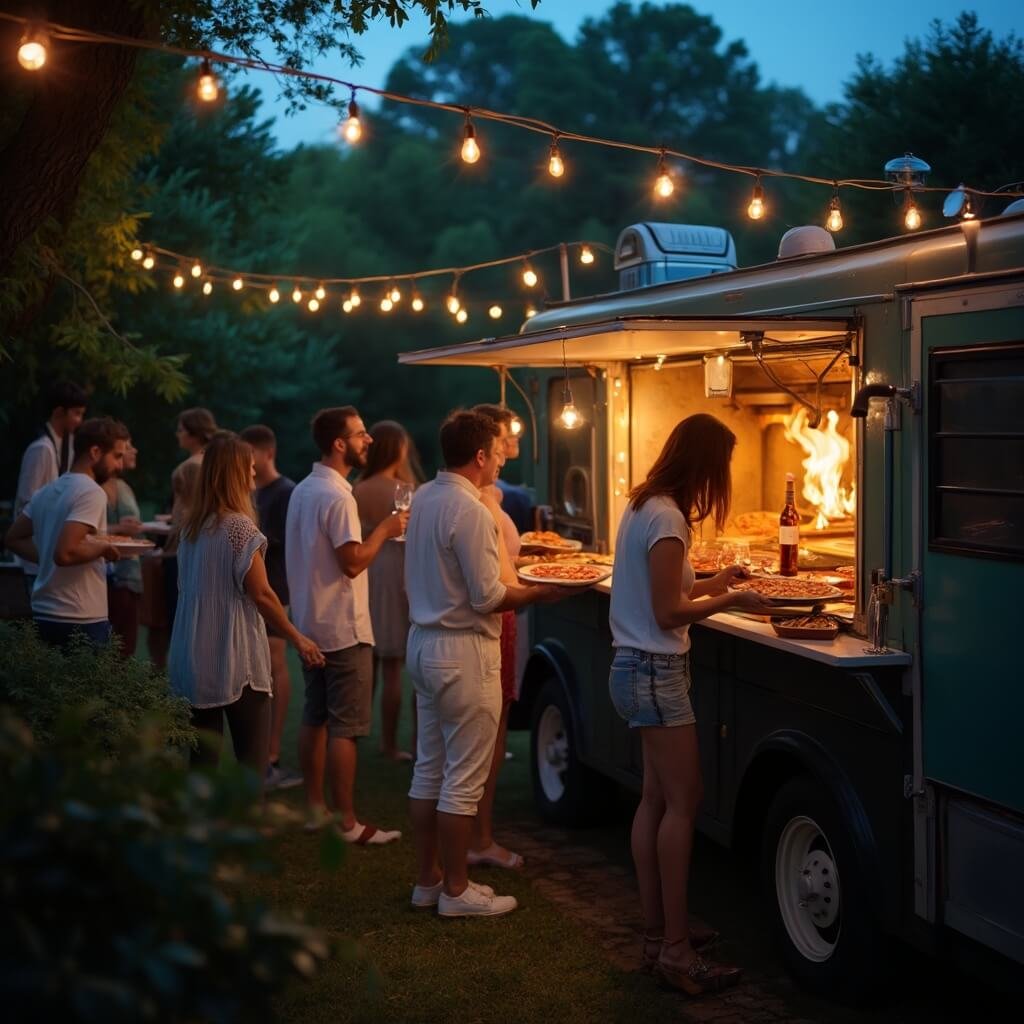
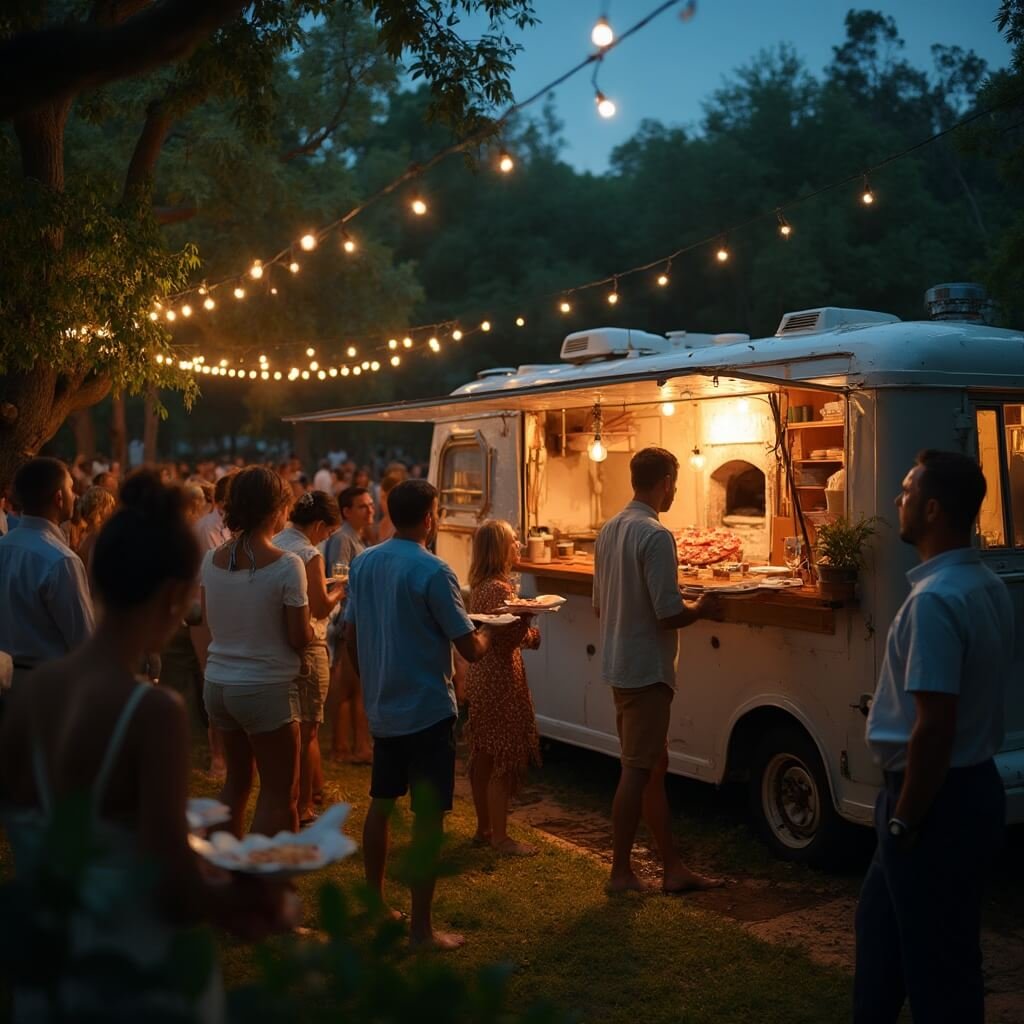
Food trucks have become genuinely popular for weddings, and not just because they’re trendy. They’re often cheaper than traditional catering, guests love the novelty, and you can pick something that actually reflects your taste rather than generic “wedding food.” I went to a wedding two Septembers ago where the only catering was a wood-fired pizza van parked at the end of a garden — cost the couple somewhere around £12 a head, and it was the best food I’ve had at any wedding, full stop.
Explore more ideas on Small Intimate Wedding Ideas or take a look at Luxury Wedding Reception Table Ideas for inspiration.
👇Shop the Look Here👇
Potluck Receptions: A Budget-Friendly Option
**Potluck receptions** are the **cheapest option going**, and I’ll be honest, they’re not for everyone. Some guests love bringing a dish that means something to them; others quietly resent being asked to cater someone else’s wedding when they’ve already bought a gift and travelled two hours. If you go this route, be specific about what you’re asking for, assign dishes rather than leaving it open-ended, and have a backup plan for the friend who inevitably forgets. It works best with smaller, close-knit crowds who’d have cooked for each other anyway.
Alternative Cake Ideas
For cake, the **tiered wedding cake** is one of the easiest things to swap out without anyone noticing the saving. A dessert table of shop-bought cupcakes, a box of good doughnuts stacked into a “wall,” or a simple grazing table of fruit, cheese, and chocolate does the same job at a fraction of the price — and it photographs just as well, arguably better. If someone in your life bakes well, ask them. My cousin made her own wedding cake three weeks before her wedding as a stress-relief exercise, which sounds mad, but she said icing buttercream in her kitchen at 11pm was more calming than anything else that month.
Managing Drink Costs
**Drink is where costs spiral fastest**, so decide early whether you’re doing a full open bar, and if not, say so clearly. A beer-and-wine-only bar, or one good **signature cocktail** alongside soft drinks, keeps things simple and controls the bill without feeling stingy. If your venue allows BYOB, buy from a wholesaler rather than a supermarket — the saving is substantial once you’re buying by the case, and most wholesalers will take back unopened bottles.
Looking Good Without Spending Like It’s a Red Carpet
**Wedding dresses** marked “bridal” cost more than identical dresses marked “occasionwear,” and that’s before you factor in alterations. **Sample sales**, consignment shops, and rental services like Nearly Newlywed or HURR have got genuinely good in the last few years, and a **second-hand dress** worn once before is, practically speaking, indistinguishable from a new one. I know a bride who bought her dress from a charity shop in Cheltenham for £45 — a beautiful ivory slip dress someone had clearly worn once and never again — and had it taken in slightly. Nobody at the wedding clocked it wasn’t “bridal.”
Affordable Suits and Grooming
Suits work the same way. **Renting a tux or suit** for the day costs a fraction of buying, and most groomsmen would rather rent than own something they’ll wear twice in their life.
**Hair and makeup** is another area where the industry has convinced people they need more than they do. A trial, a top-up kit, and a steady hand from a friend who’s good with a makeup brush will get most people through the day looking like themselves, just tidier. Save the professional booking for the day itself if you want that reassurance, but skip the multiple trials — one is usually enough, and combining a hair and makeup trial into a single appointment saves both money and a day off work.
Dress and Accessories for the Wedding Party
As for the wedding party, **matching bridesmaid dresses** are expensive and rarely flattering on everyone equally. Giving a colour palette and letting people choose their own dress, or wear something they already own, tends to look more relaxed and costs your bridesmaids nothing extra. Groomsmen in their own dark suits with a matching tie or a single flower does the job just as well.
Decor That Looks Considered, Not Cut-Price
The cheapest decor trick nobody talks about enough is simply using less of it. A table with three good candles and a sprig of rosemary looks more intentional than a table crowded with six different trinkets bought in a panic from a discount shop. **Minimalism** isn’t just an aesthetic choice here — it’s a budget one, because empty space costs nothing.
Cost-Effective Candle Use
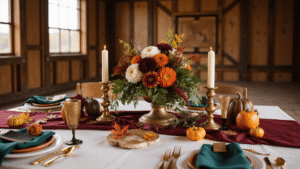
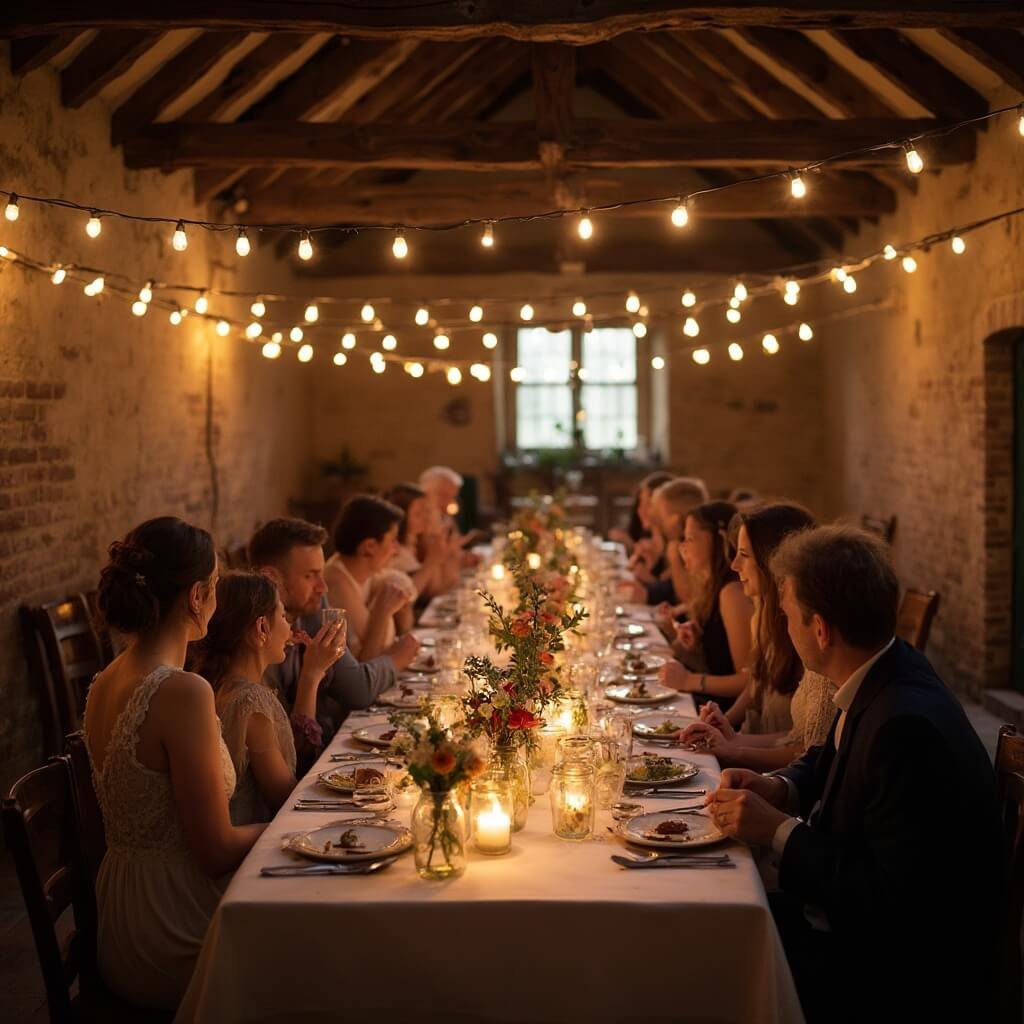
Candles are doing a lot of work in modern wedding decor, and for good reason: a cluster of **pillar and votive candles** with a little trailing greenery looks warmer and more expensive than most flower arrangements, at a tenth of the price. Potted herbs — rosemary, lavender, small basil plants — make good centrepieces and double as favours guests can actually use afterwards, rather than another candle they’ll never light. If you’re marrying in autumn, a scattering of pumpkins and gourds down the table does more visual work for less money than a florist’s invoice ever will.
Lighting and Flower Arrangements
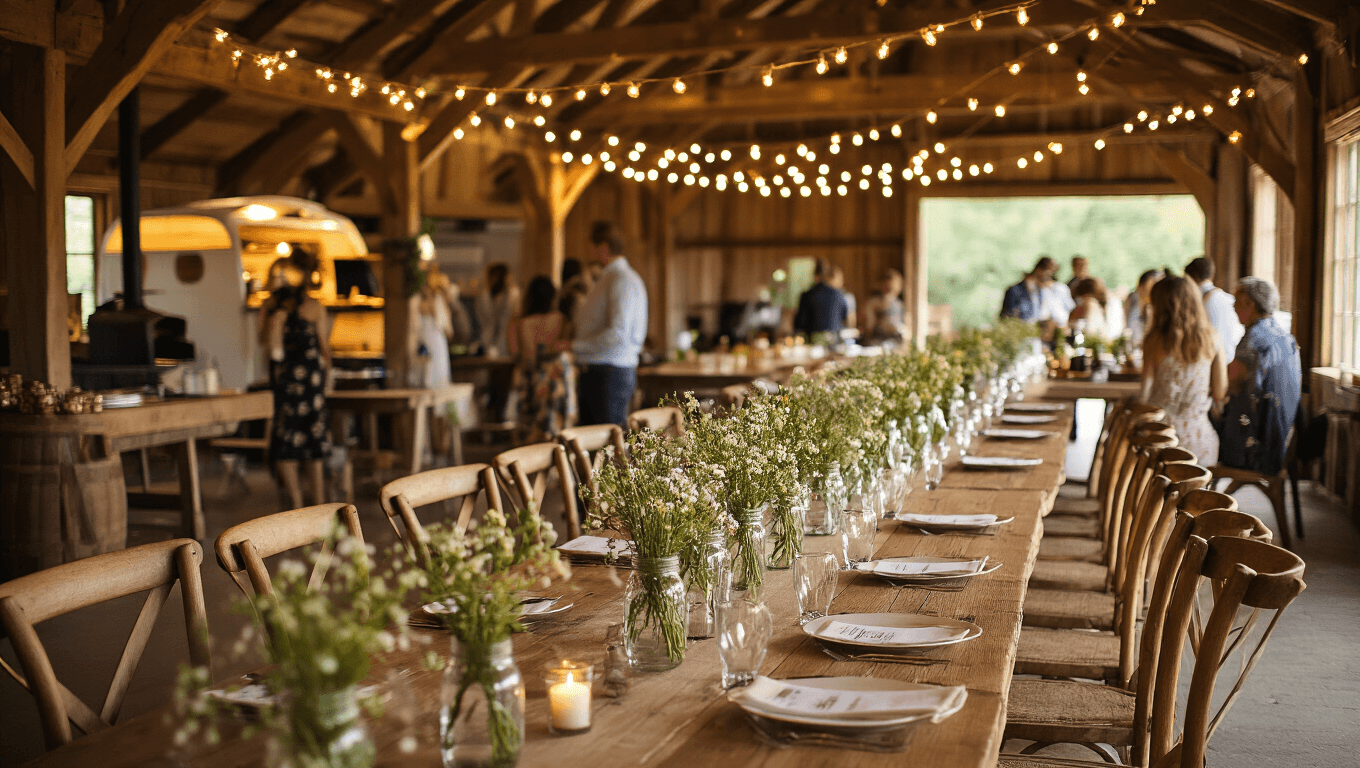
**String lights and paper lanterns** remain the cheapest way to transform a plain room or a garden after dark, and they’re reusable — buy them once and they’ll last several events. Scatter tea lights liberally; they cost pennies each and low, warm lighting flatters a room more than almost anything else you could spend on.
**Flowers** deserve their own mention because they’re one of the most inflated costs going. Buying in bulk from a wholesaler and arranging them yourself the day before, using seasonal and local blooms rather than imported ones, cuts the cost dramatically. Good quality artificial or dried flowers have improved enormously and hold up better than real ones in heat anyway. And don’t overlook the obvious trick of reusing ceremony flowers at the reception — move the aisle arrangements onto the top table and you’ve effectively paid for decor once.
Photography Without the Full Package
**Photography** tends to be one area people are reluctant to cut, and I think that’s usually the right instinct — you’ll look back at photos for decades, but you won’t remember the exact shade of your napkins. That said, “don’t cut it” doesn’t mean “spend everything on it.” Hiring a photographer for four hours covering the ceremony and portraits, rather than a full twelve-hour package, still gets you the images that matter most. Newer photographers building a portfolio often charge considerably less than established names and are frequently just as good — check their recent work rather than their years in business.
DIY Photo Booth and Candid Shots
A **DIY photo booth** with a rented backdrop, a few props, and a camera on a tripod with a remote shutter costs very little and reliably produces the photos guests love most. Shared online albums or a simple wedding hashtag will pull in hundreds of candid shots from guests’ phones that your photographer never could have caught, covering all the moments they missed while focused on the formal shots.
Paper, Invitations, and the Small Stuff
**Digital invitations** save money and, honestly, save time — no printing, no postage, no chasing lost RSVP cards down the back of someone’s kitchen drawer. If you want something more tactile, template-based invites printed at home or through a cheap online print shop look perfectly good, especially if your design is simple rather than trying to compete with a stationer’s catalogue.
Wedding Reception Decor Ideas That Look Expensive
Thoughtful Favors
Favours are worth questioning altogether. Nobody remembers a keyring with your wedding date on it. If you want to give something, make it useful or edible — a small jar of jam, a potted herb, a bag of sweets — or skip it entirely and put a late-night snack table out instead, which guests will actually thank you for at midnight.
Clever Cheap Wedding Ideas That Don’t Sacrifice Style
Music and Entertainment That Doesn’t Need a Big Budget
A well-built **Spotify playlist** run through a decent speaker system does the job of a DJ for a fraction of the price, provided someone reliable is in charge of queuing it and fixing any hiccups. If you know someone with proper decks and a good ear, ask them to DJ — most people are flattered to be asked and will do it for the cost of their bar tab. Local music students and up-and-coming musicians are also worth looking into; they’re often better than you’d expect and glad of the booking and the exposure.
Interactive Entertainment Options
For entertainment beyond music, lean into things that get people talking to each other rather than watching a performance. Giant Jenga, cornhole, and a stack of board games on a side table cost almost nothing and keep guests occupied during the gaps — the bit between ceremony and speeches that often drags. A few good, unscripted toasts do more for the atmosphere than any hired act.
Rethinking the Shape of the Day Itself
Some of the biggest savings come from questioning the format entirely rather than cutting costs within a traditional structure. A registry office ceremony followed by a relaxed lunch at home or in a café isn’t a lesser wedding — it’s a different shape of the same commitment, and it removes an enormous amount of cost and stress in one move. A small, private ceremony followed later by a larger, informal party works well too, particularly if you want a big guest list without a big budget, since the party portion can be far simpler than a full wedding breakfast.
Cheap Ways to Make Your Wedding Look More Expensive
Alternative Reception Ideas
**Picnic weddings**, with blankets, hampers, and a grazing table instead of formal seating, suit a certain kind of couple and a certain kind of guest list — younger, more relaxed, comfortable sitting on the ground for two hours. A dessert-and-coffee reception, held mid-afternoon, is about as cheap as a wedding gets while still feeling like an occasion, and it suits couples who’d rather spend what little budget they have on one genuinely excellent thing than spread it thinly across a full meal.
Where DIY Helps and Where It Doesn’t
**DIY earns its reputation** on decor, invitations, and small displays — a Polaroid guest book, a hand-lettered seating chart, framed photos dotted around the venue. These are low-stakes, forgiving jobs where a slightly imperfect result still looks charming.
Baby’s Breath Wedding Decor Ideas
Challenges with DIY Catering and Photography
Where DIY tends to backfire is catering for large numbers, where food safety and sheer physical labour on the day become real problems, and photography, if good images are genuinely one of your top three priorities. I’ve seen a friend’s uncle “handle the catering” for eighty guests and watched the bride spend her wedding morning peeling potatoes instead of getting ready. Know your own limits, and know which jobs need a professional even on a tight budget.
Managing Guests’ Expectations Without Awkwardness
If your wedding is unconventional — potluck, backyard, cash bar, casual dress — say so clearly on the invitation or website. Guests generally don’t mind different; they mind being surprised by different. A line about parking, weather contingency, and what to expect food-wise removes most of the awkwardness before it starts. Outdoor weddings especially need proper thought given to toilets, shade or heating depending on season, and how older or less mobile guests will manage on grass or gravel.
Essential Wedding Considerations
The things worth never skimping on are food safety, adequate seating and shelter, and some form of proper documentation — even if it’s not a twelve-hour photography package, get someone competent capturing the day. Everything else is genuinely negotiable.
Where Budget Weddings Are Heading
Small and intimate weddings have shed most of the stigma they once carried — more couples are choosing them by preference now, not necessity, which makes budget planning easier to talk about openly. **Rent-by-the-hour venues**, food trucks, and grazing tables are becoming mainstream rather than novel, and digital invitations have largely replaced printed ones for anyone under forty. None of this is really about cutting corners anymore. It’s just how a sensible, modern wedding gets planned.
Final Advice
If I had one piece of advice for anyone starting this process, it’s to stop treating “cheap wedding ideas” as a last resort and start treating them as the sensible default, then add back in the traditional touches you genuinely want rather than the ones you feel obligated to include. You’ll spend less, argue less about spreadsheets, and probably end up with a day that feels more like you than a bigger budget ever would have bought you.
👇Shop the Look here 👇