Beach wedding ideas are easy to find and hard to filter — scroll through enough inspiration boards and every ceremony looks the same: driftwood arch, bare feet, golden light. The bit nobody shows you is the permit application, the gust of wind that knocked over the welcome sign, or the great-aunt who couldn’t get her walker across forty metres of soft sand. I’ve been to six beach weddings now, helped plan two of them properly, and the ones that went well all had something in common: someone made actual decisions early, instead of just pinning pretty pictures and hoping.
So let’s start there — decisions, not décor.
Work Out What Kind of Beach Wedding You Actually Want
Before you look at a single venue, decide on the atmosphere you’re going for. Barefoot-and-casual is a completely different event from coastal-chic-and-refined, even though both happen on sand. A tropical, colour-saturated celebration needs different flowers, different lighting, and frankly a different budget than a minimalist, neutral-toned ceremony with twelve guests. Bohemian-relaxed and luxury-destination can both technically take place on the same stretch of coastline, but they’ll cost wildly different amounts and require different vendors.
It helps to think about the shape of the day, not just the mood. Are you doing:
- A ceremony-only gathering on the beach, with the reception moved to a restaurant or venue afterwards
- A full beach reception, tables and all
- A multi-day destination trip where the wedding is one event among several
- A sunrise or sunset slot that dictates your whole timeline
I’d gently push back on the assumption that a full reception on sand is automatically more “beachy” or more memorable. Chairs sink, heels sink, the caterer’s trolley sinks. A ceremony on the beach followed by a reception somewhere with a proper floor and electricity is, in my experience, the version that leaves people saying the day felt relaxed rather than the version where guests spent the evening picking sand out of their shoes.
Once you’ve got the atmosphere and format roughly fixed, write down your actual priorities in order. Ocean views and photography matter to some couples more than anything else. For others it’s guest comfort, or budget, or genuinely wanting to leave the beach exactly as they found it. You can’t maximise all of these at once, so knowing which ones you’re willing to compromise on saves a lot of arguing with vendors later.
Public Beach, Private Venue, or Somewhere More Remote
The type of beach you choose
shapes almost everything else — cost, guest experience, paperwork, all of it.
Most public beaches also restrict decorations, alcohol, amplified music, and guest numbers, and many require a permit that varies by council or municipality.
A private beach attached to a resort or hotel costs more but buys you predictability — restrooms, catering, power, a backup room if the sky turns.
Staffing is sorted, logistics are handled by people who do this every week, and that’s worth paying for if your guest list is large or your nerves are already stretched thin. The trade-off is that packages often come with their own restrictions, so read the contract properly rather than skimming it the night before the deposit’s due.
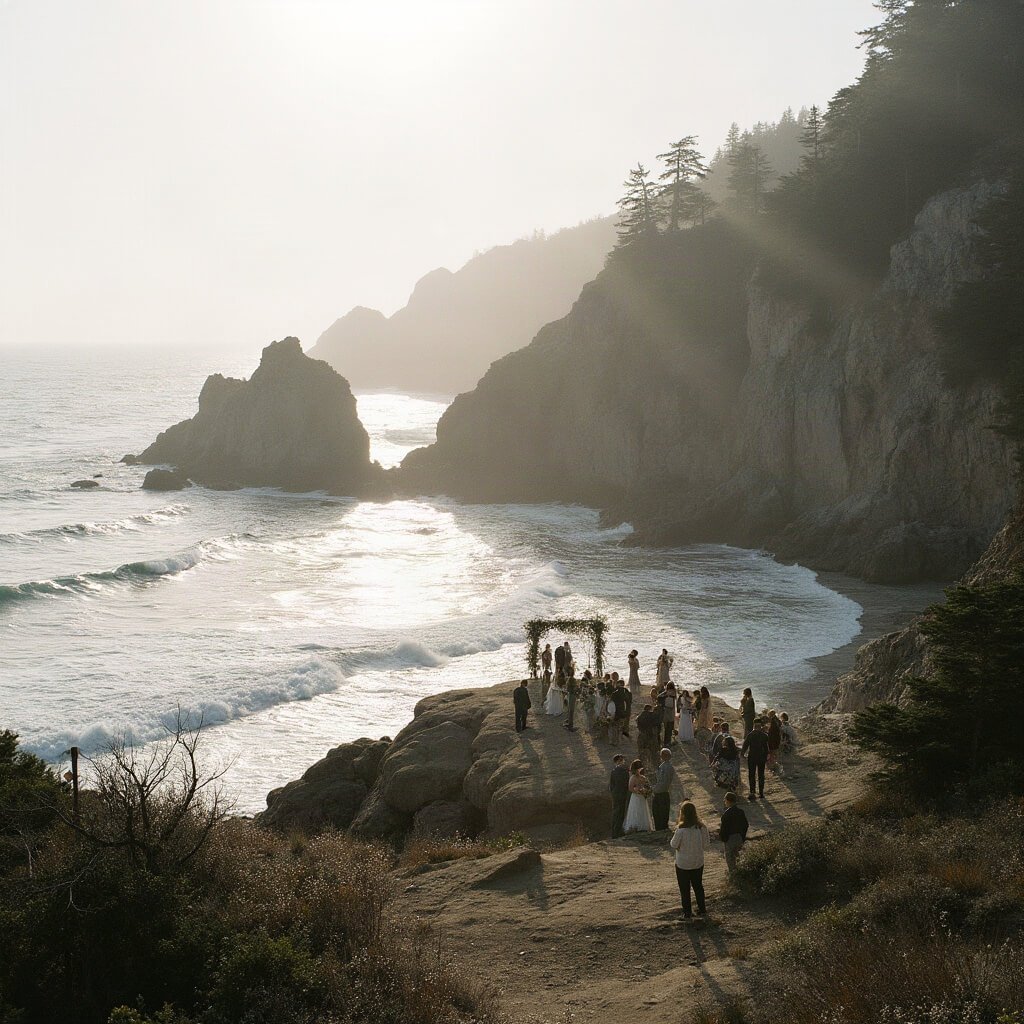
A state or national park beach gives you scenery that money genuinely can’t buy elsewhere, but the rules are stricter — structures, photography, vehicles, pets, and amplified sound are all commonly restricted.
The National Park Service is explicit that event guidance prioritises safety, public access, and not disrupting other visitors, so don’t assume a quiet cove means no oversight.
A remote or destination beach makes for the kind of wedding people talk about for years, but it multiplies the admin — transportation, lodging, vendors who may not speak your language, weather you can’t predict from home, and legal paperwork that differs by country.
This option genuinely suits a small guest list far better than a big one; I’d think twice before dragging eighty people to an island with one ferry a day.
Sort the Legal Side Before You Fall in Love With a Location
This is the unglamorous bit, and it’s also the bit that ruins weddings when skipped. Before booking anything, contact whoever actually manages the land — city council, county office, parks department, resort management, or land manager — and ask plainly whether the spot is public, private, protected, or environmentally sensitive. Ask specifically whether your ceremony, reception, photography, amplified music, or any commercial activity (hired photographers often count) needs separate permission.
If a permit’s required, get the details nailed down early: application deadlines, fees, maximum guest count, and whether you’ll need to submit a site plan, insurance certificate, vendor list, or safety plan. Some locations are stricter than you’d expect — Key West, for example, requires beach wedding permit applications for Smathers Beach at least 14 business days in advance, which catches out a surprising number of couples who assumed a beach ceremony was a casual, permit-free affair.
Prohibited items lists are worth reading properly rather than skimming, because they vary more than you’d think:
- Confetti, balloons, rice, birdseed, glitter, and plastic flower petals
- Open flames, fireworks, lantern releases, candles
- Glass, alcohol, generators, vehicles, or large structures
- Drones, amplified music, or commercial photography
- Pets, depending on the specific beach
Get written agreements from every vendor, confirm cancellation and weather policies in advance, and work out — on paper, not just verbally — who’s responsible for permits, site access, cleanup, and deposits. Event liability insurance sounds like overkill until a rented arch blows into someone’s parked car.
Budgeting for Sand, Wind, and Everything That Comes With Them
Beach weddings have a reputation for being cheap because there’s “no venue to decorate.” That’s not quite true — you’re just paying for different things. Your core costs look fairly standard: venue or permit fees, rentals, a planner or day-of coordinator, photography, catering, attire, florals, transport, music, and some kind of contingency fund for when things go sideways. For attire ideas, see Beach Wedding Dresses Designed for Sun, Sand, and Comfort.
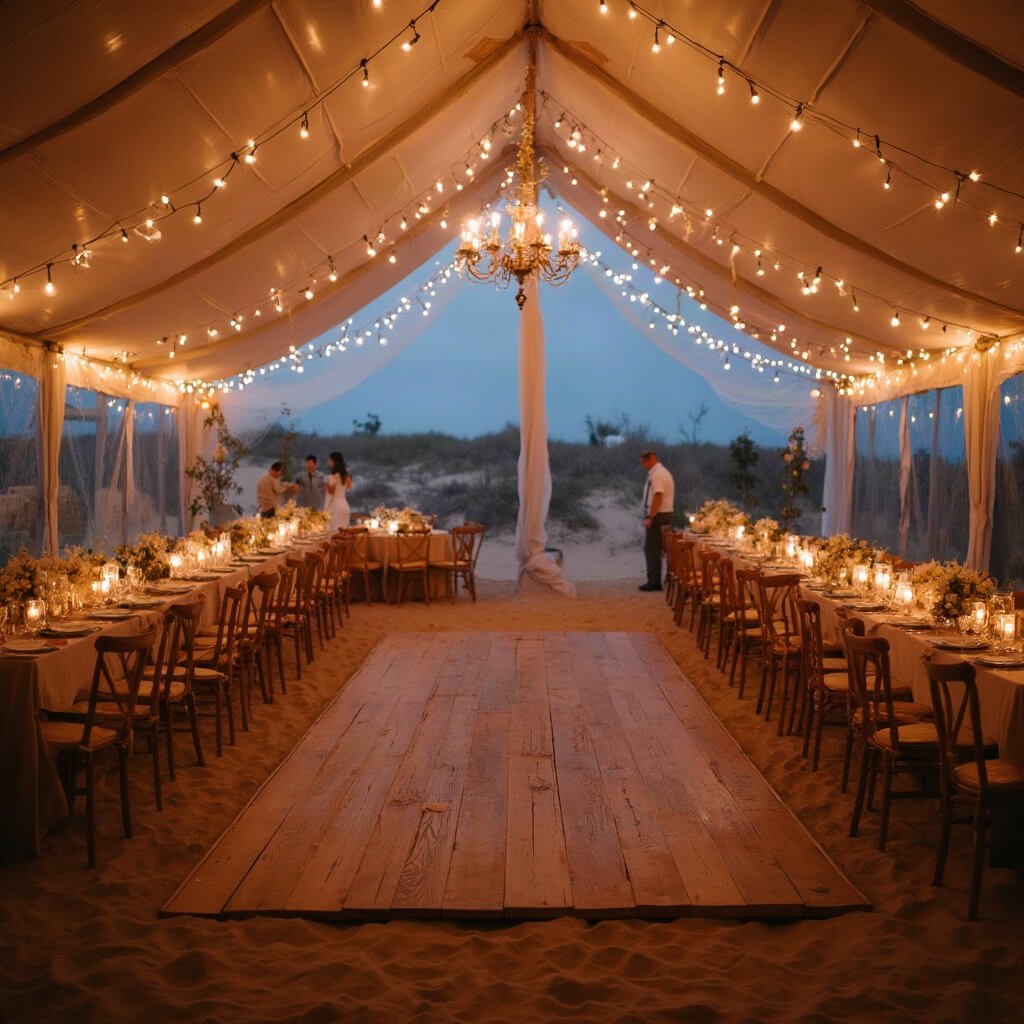
What catches people out is the beach-specific layer on top. Think portable restrooms if there’s no building nearby, flooring or boardwalk matting so chairs don’t sink, a tent or canopy for shade and weather cover, weighted décor so nothing takes flight, delivery and removal fees (sand access often means extra labour), lighting and power if there’s none on site, cleanup and waste removal, and basic guest amenities like fans, sunscreen, water, and blankets. None of that is optional once you’re actually standing on the sand in July.
If you need to cut costs, a ceremony-only gathering is the single biggest saver — it removes almost all the beach-specific line items above. A weekday or off-season date, a smaller guest list, and local, seasonal flowers all help too. Swapping a formal seated reception for a picnic, brunch, or food-truck set-up can look more charming anyway, not less.
But cutting corners has a cost of its own. Public beaches mean less privacy. DIY décor genuinely struggles against wind and sand — I’ve watched a beautifully arranged flower arch collapse twice before the ceremony even started, at a friend’s wedding on the Suffolk coast, because nobody had budgeted for proper weighting and the florist’s “it’ll be fine” turned out to be optimistic by about fifteen knots. Remote locations often claw back any savings through transport and vendor travel fees. And without a backup venue, you’re gambling the whole day on weather you can’t control.
If I were doing this again, I’d spend more on guest comfort than on fragile décor, hire a coordinator the moment logistics get complicated, and always, always choose somewhere with an indoor backup space rather than crossing my fingers. For a practical finishing touch, explore Practical Beach Wedding Hairstyles That Hold Up All Day.
👇Shop the Look Here👇
Picking the Date, Time, and a Weather Plan You Can Actually Live With
Season matters more on a beach than almost anywhere else you could get married. You’re not just checking for rain — you’re checking average humidity, whether you’re booking into hurricane season without realising it, wind patterns that’ll flatten your hair and your centrepieces alike, mosquito activity, how crowded the tourist season gets, and whether the water’s warm enough for anyone who fancies a swim afterwards. A date that looks fine on a calendar can turn out to be the exact three weeks when the local midges are unbearable, and nobody puts that on a venue’s website. For more inspiration, explore Beach Wedding Ideas for 2026.
It’s also worth checking seasonal environmental restrictions before you fall for a date. Sea turtle nesting season closes off entire stretches of beach in some regions, bird nesting areas get roped off, dunes undergo restoration periods where foot traffic isn’t allowed at all, and high tides can simply remove the usable sand you were planning to stand on. None of this is obvious from photos taken at a different time of year.
Use actual historical weather data rather than vibes — long-term averages, tide tables, sunset times, and a conversation with a local planner who’s seen ten Augusts come and go will tell you more than a general sense that “it’s usually nice there.” Check the local events calendar too, so you’re not competing with a half-marathon or a town festival for parking and attention. For wedding-day shoreline precautions, review this Beach Safety and Rip Current Guide for Your Wedding Day.
Then there’s the time of day, which changes the entire feel of the ceremony:
Sunrise
Gives you cooler air, softer light, and almost nobody else on the beach, but it means hair and makeup starting absurdly early and guests who may not thank you for it. Pairs nicely with a brunch reception.
Midday
Is easiest for travel and gives bright, high-contrast photography, but it’s also the riskiest for heat, glare, and guests wilting in their good shoes. You’ll need shade, water, and decent ventilation sorted properly, not as an afterthought.
Sunset
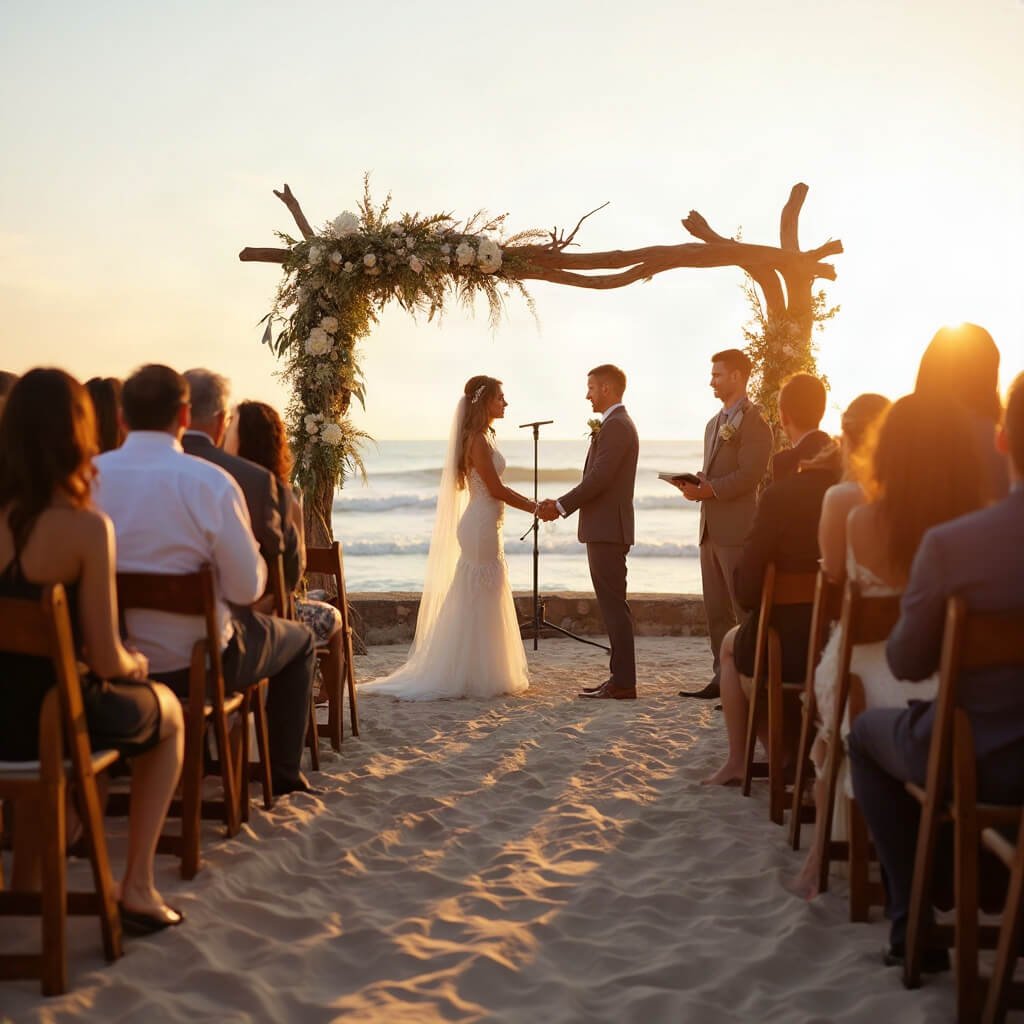
Is the classic choice for a reason — flattering light, usually more comfortable temperatures — but it’s the most popular slot, which often means it costs more, and you need a real plan for what happens once the light’s gone.
Evening or night
Ceremonies feel intimate and dramatic, but they need proper lighting and safety planning, and protected beaches often restrict them outright during wildlife seasons, along with candles or anything requiring mains power.
Whatever time you choose, build a weather contingency plan you actually trust, not one that exists only in a shared document nobody’s opened since March. Start watching the forecast about a week out, make the final call 24 to 48 hours before, and put one person — not the couple — in charge of telling vendors and guests if things change. That person should not be the bride.
Have a real backup location, not a vague idea of one: a hotel ballroom, a covered terrace, a tent on ground that’s actually permitted for it, a rental property, or a nearby indoor venue you’ve already spoken to. And have a plan for riding out marginal weather without relocating at all — a low, weighted ceremony structure that won’t blow over, fans and parasols and blankets for guests, pinned-down linens and signage, humidity-resistant hair and makeup products, and rain covers for the camera gear. For more ideas on Practical Beach Wedding Hairstyles That Hold Up All Day, consider styles suited to sea air. Tell guests what to expect too: put weather and footwear guidance on the wedding website, say plainly whether the ceremony goes ahead outdoors in light drizzle, and have the backup address ready to send by text if needed.
Shaping the Ceremony Itself
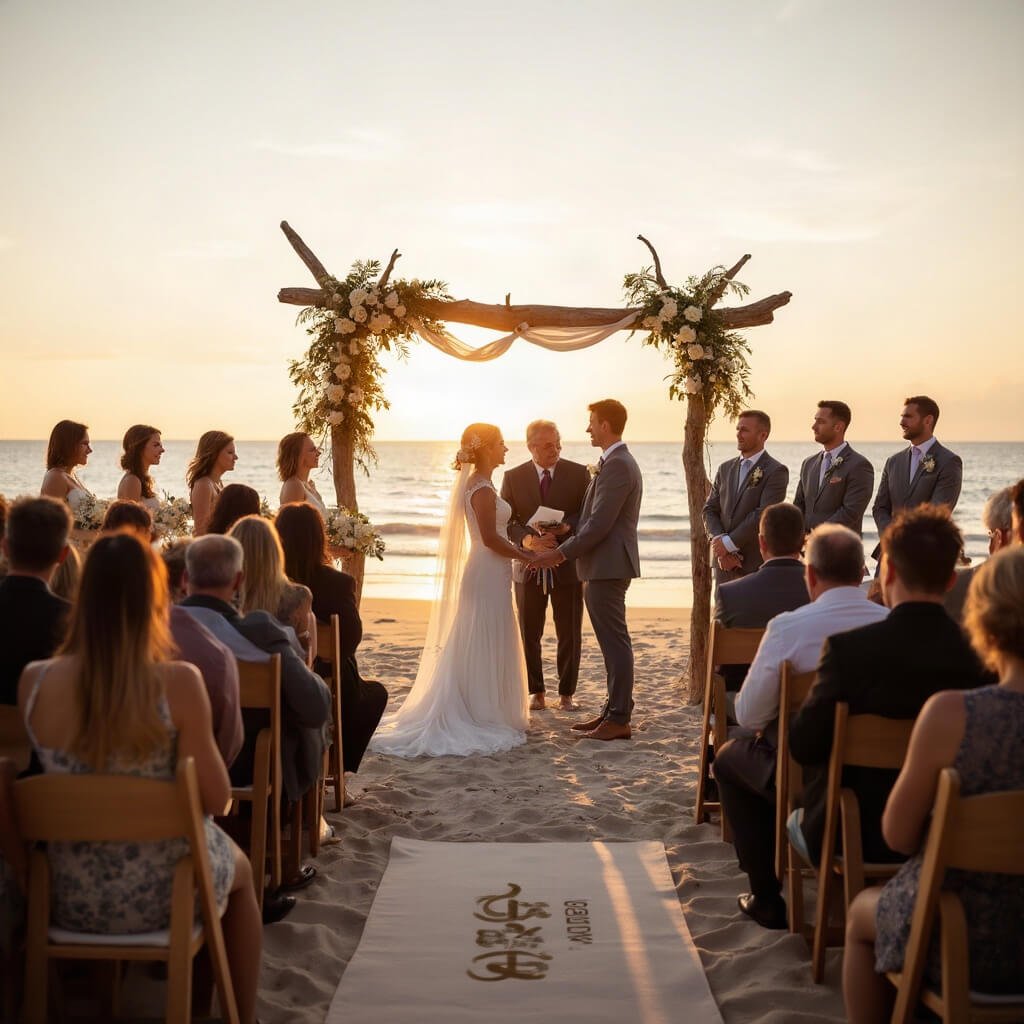
Once the practical scaffolding is in place, the ceremony layout is where you can actually have some fun. A straight aisle facing the water is the classic choice and photographs beautifully, but position your guests carefully so they’re not squinting directly into the sun for ten minutes. Circular or semicircular seating feels more intimate and works especially well for smaller groups, while an asymmetrical set-up — one floral installation off to the side rather than a centred arch — reads as more modern without extra cost. For very small weddings or elopements, a standing cocktail-style ceremony cuts rental needs down to almost nothing, and a slightly elevated or shaded platform gives guests somewhere stable to stand without needing much décor at all.
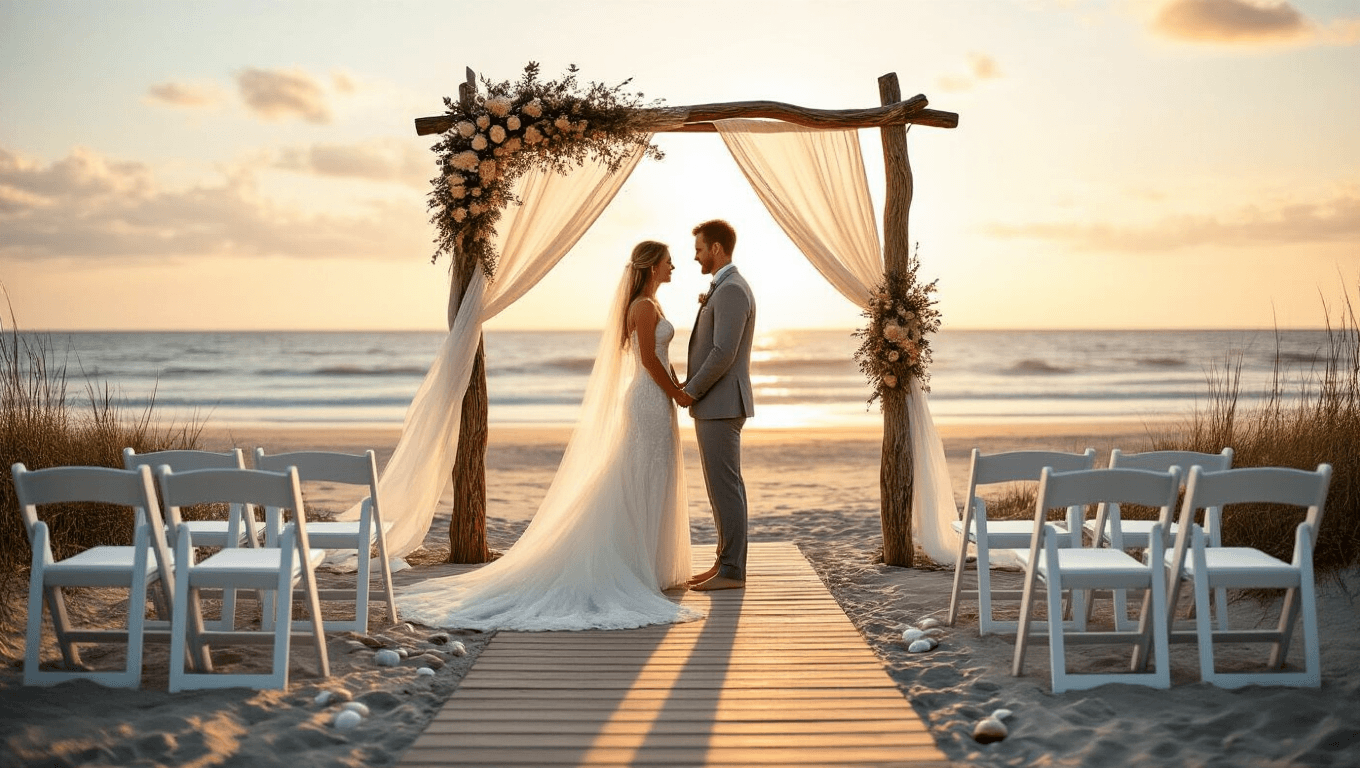
For a backdrop, driftwood arches dressed with flowers are the obvious choice, but they’re far from the only one. A bamboo frame with tropical foliage, a low floral installation instead of a full arch, flowing linen draping, a circular moon gate, a woven rattan screen, or simply the native dune grasses already growing there can all work — and the last option costs nothing and needs no removal afterwards. I’d actually argue the ocean itself is backdrop enough for plenty of ceremonies; not every aisle needs an arch at all.
For the aisle, think about what’s underfoot before what’s overhead. A wooden or woven runner keeps heels from sinking, petals should only go down if they’re approved by local rules (most protected beaches say no), and any seating needs to be stable — benches, folding chairs, rattan chairs, or floor cushions all work, but make sure the walkway itself is firm enough for guests with mobility limitations to manage without help.
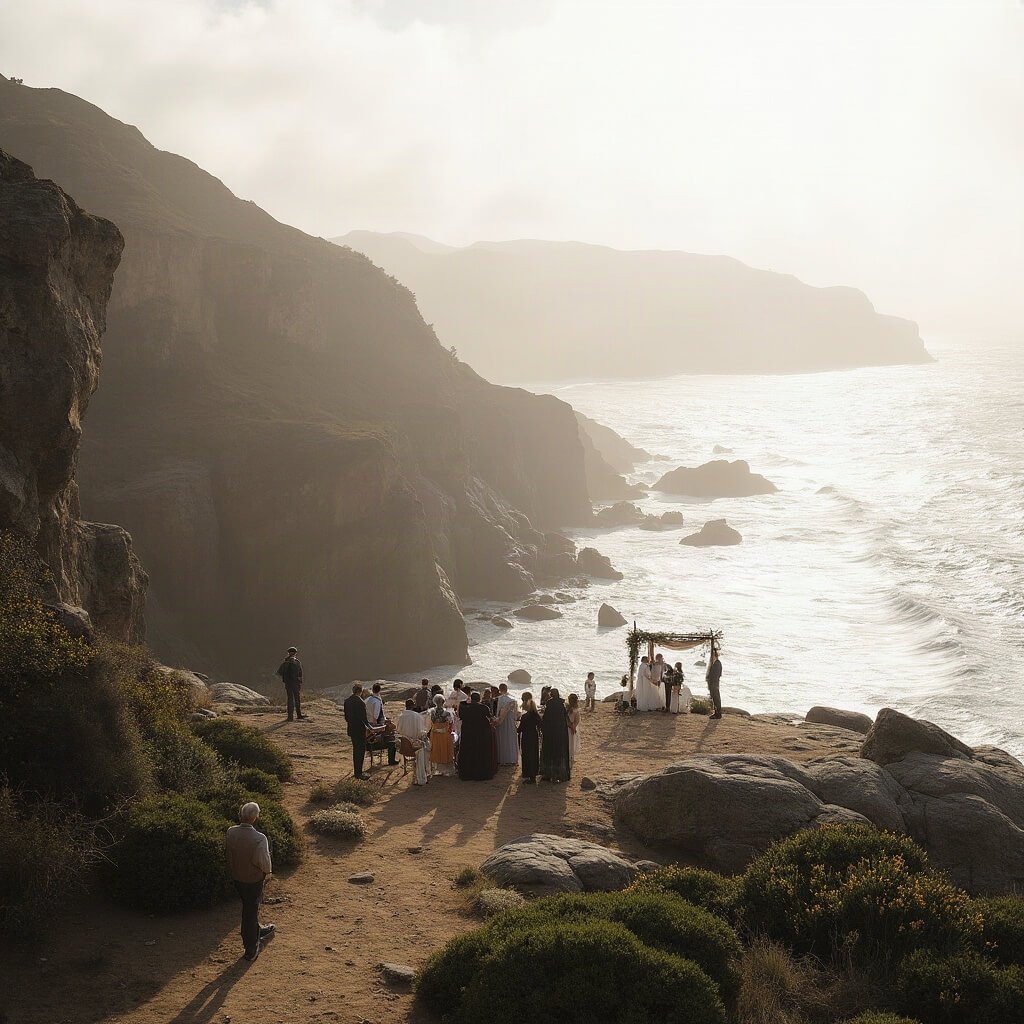
The ceremony content is worth as much thought as the setting. Shell, sand, or water unity ceremonies lean into the location without feeling forced, a ring blessing passed among guests adds warmth without extra cost, and a reading about the ocean or about travel can feel more personal than generic love poetry. If there’s a cultural or religious tradition that matters to your family, adapting it to a beach setting usually works better than abandoning it for the sake of aesthetics. Some couples do private vows between themselves first, then a shorter, lighter ceremony for guests — which I think is underused, honestly, given how many people find public vows the most nerve-racking five minutes of the whole day.
Décor That Won’t Fight the Ocean for Attention
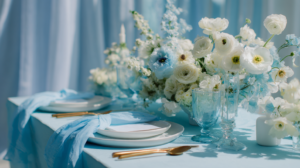
Colour palette is where most of the “look” of a beach wedding actually comes from, more than any single prop. Coastal neutrals — sand, ivory, driftwood grey, warm white — suit a minimalist, elegant tone. A sea-glass palette of aqua, seafoam, and pale green feels calm and airy. Sunset tones of coral, amber, and gold play beautifully with golden-hour photography, almost by design. Tropical palettes in turquoise, mango, and fuchsia suit a livelier destination wedding, and a Mediterranean palette of cobalt and terracotta brings a European coastal feel that works surprisingly well even on beaches nowhere near Europe. There’s also a noticeable shift toward bolder, more saturated palettes — cobalt, tomato red, burgundy — for couples who want something more expressive than the usual sand-and-white formula.
The 2026 trend I’d actually pay attention to is what’s being called elevated coastal style: natural textures like driftwood, linen, and sea glass paired with genuinely good stationery and refined florals, rather than the kitschy starfish-and-rope nautical theme that dominated beach weddings a decade ago. Pearl accents, sea-glass place cards, and wave-patterned linens are showing up a lot, and sustainably sourced materials are increasingly the point, not just a footnote. If you do go bold with colour, keep it in the linens and stationery rather than piling it into the florals too, or you risk the whole scene competing with the ocean for attention and losing. See more Tropical Wedding Decor Ideas for a Stunning Beach Celebration.
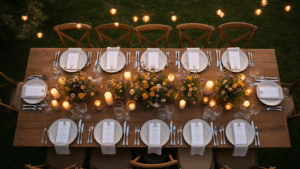
Reception tables need to be designed for wind, not just for looks. Low, heavy centrepieces in wide vessels stay put far better than tall arrangements, linens need pinning or weighting, and signage should be acrylic or metal rather than paper that’ll end up fifty metres down the beach by the time the starter’s served. Texture does a lot of the work here too — linen napkins, rattan chargers, driftwood accents, and terracotta vessels all read as “coastal” without needing a single seashell glued to anything.
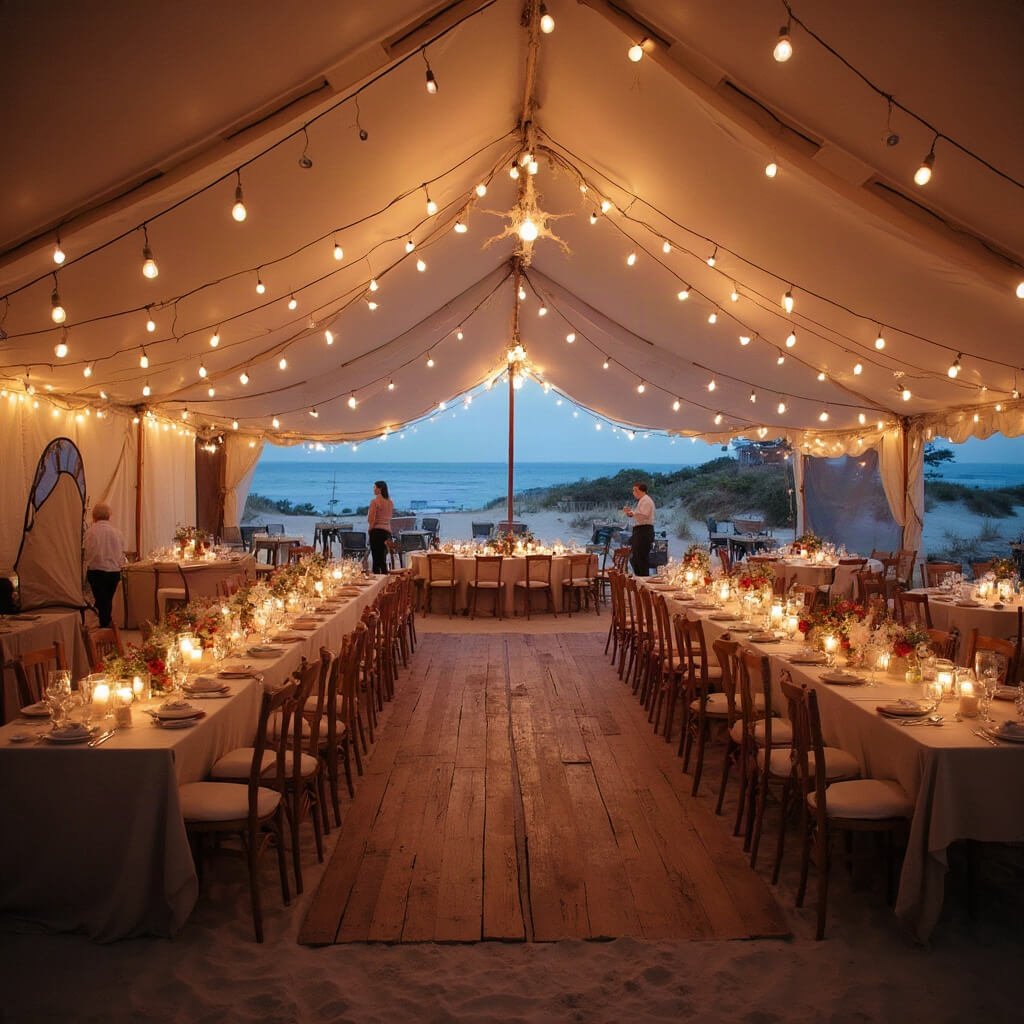
On lighting, string lights under a proper canopy and battery-powered lamps are safer bets than open flame, which is banned outright on plenty of protected beaches anyway. And on the environmental side, rent rather than buy single-use décor, skip plastic shells and glitter entirely, and make sure absolutely everything gets removed afterwards — I’ve seen a cleanup crew spend an hour picking fake petals out of seagrass the morning after a wedding, which is not how anyone wants their deposit spent.
Flowers, Attire, and Looking After Your Guests
Flowers need to survive heat, humidity, and wind, which rules out more delicate blooms than people expect. Orchids, protea, anthurium, and sturdy roses with proper hydration hold up far better than anything with loose, papery petals. Using local, seasonal flowers isn’t just a cost-saver — it genuinely suits the setting better, and it supports the florists who actually know how that particular coastline behaves. For bouquets, a tropical mix or a dried pampas-and-grass arrangement both photograph well and survive a breeze better than something fussy and tightly structured.
On the environmental side, don’t take shells, coral, or driftwood from protected beaches, even as a souvenir — it’s often illegal and always worth avoiding — and ask your florist to skip floral foam in favour of reusable mechanics.
For attire, lightweight fabric matters more than style. Chiffon, crepe, and linen breathe; heavy satin and structured suiting don’t, and you’ll notice the difference after twenty minutes in direct sun. Beach Wedding Dresses Designed for Sun, Sand, and Comfort and Beach Wedding Outfits for Men That Stay Cool and Comfortable can offer outfit inspiration. Flat sandals, espadrilles, or simply bare feet all work better than heels, which sink, and a shoe station at the reception is a small, thoughtful touch that guests actually use. Hair and makeup should be humidity-resistant by design — an updo or controlled braid outlasts loose waves in sea air, and a trial done in similar humidity beforehand will save you a surprise on the day.
Guest comfort is the thing I’d least skimp on. Water stations, sunscreen, fans or parasols, and shaded seating aren’t decorative extras — they’re the difference between guests remembering a lovely afternoon and guests remembering how hot they were. Accessibility is worth walking through in person beforehand too: check the actual route from parking to the ceremony, and if anyone in your group uses a wheelchair or has mobility limitations, confirm directly with the venue whether beach matting or a beach wheelchair is available, because it varies hugely by location and isn’t always obvious from a website. For outdoor guest entertainment, see Fun Wedding Yard Games to Keep Guests Entertained Outdoors.
If you take nothing else from all this: pick your beach for the right reasons, sort the permit before you fall in love with the view, and spend your money on the things your guests will actually feel — shade, stable ground, cold water — rather than the things that only look good in the first thirty photos. That’s what makes a beach wedding feel considered rather than just pretty.
👇Shop the Look here 👇