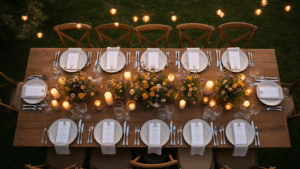
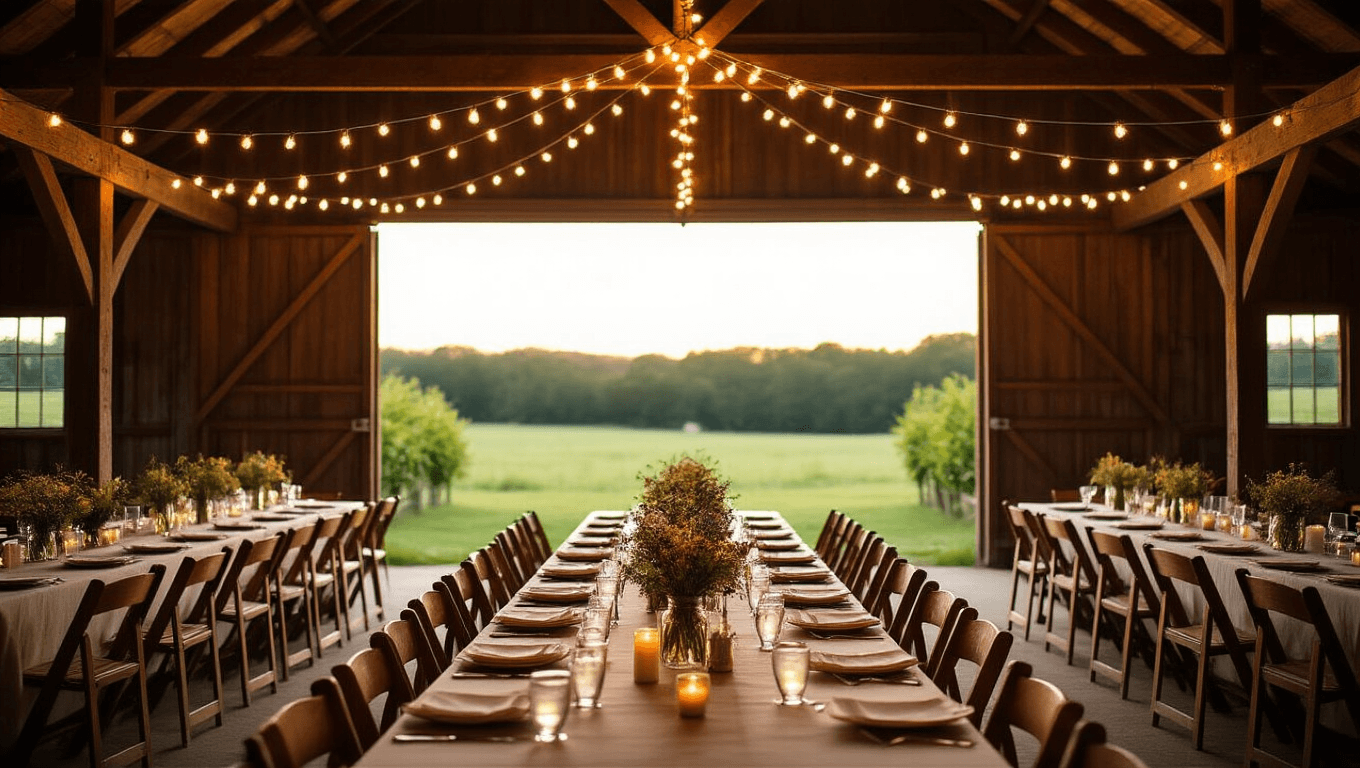
Wedding venue ideas tend to be the first thing people search for once the ring’s on the finger and the initial excitement has calmed down enough to think practically — and honestly, it’s the right instinct, because the venue shapes almost everything else. I’ve sat through enough friend-of-a-friend planning conversations to know that most couples pick a date and a venue before they’ve worked out anything else, and then build the whole day around what that space allows or doesn’t allow.
Why the venue matters more than you think
A ballroom and a barn aren’t just different backdrops. They dictate completely different days. A formal hotel ballroom comes with carpeted acoustics, uniform lighting, and a certain hush; a barn gives you creaking floorboards, farmyard smells (good or bad, depending on the season), and a reception that feels loose and informal almost by default. Your photographer will shoot differently in each. Your caterer will cost differently. Even your guests will dress differently — nobody turns up to a barn wedding in a full morning suit, whatever the invitation says.
The trick is making sure the venue supports what you actually care about, rather than quietly taking over the whole plan. If your priority is incredible food, a beautiful-but-remote vineyard that insists on in-house catering might fight you the whole way. If what you want is relaxed, unstructured mingling, a stiff formal ballroom with assigned seating for 150 isn’t going to deliver that no matter how good the chandeliers look in photos.
One thing worth flagging early: the capacity a venue advertises is rarely the number you should plan around. A room that “holds 150” usually means 150 people standing shoulder to shoulder with no furniture. Once you add a dance floor, a buffet, a bar, a DJ booth, and space for people to actually move between them, that number drops — sometimes by a lot. Always ask the venue to walk you through capacity based on your actual layout, not the number on their website.
Getting the most out of this guide
Before you tour a single venue, get a rough guest list together, a budget range, a sense of the season you’re aiming for, and some idea of style — even if it’s just three Pinterest boards and a vague feeling. Compare a few different categories of venue rather than falling for the first one that photographs well on Instagram. And when you’re costing things up, look at the full picture: the rental fee is often the smallest number on the page once catering, staffing, hire items, and taxes get added in. Get everything that matters confirmed in writing before you sign anything — verbal promises from a venue coordinator mean nothing six months later when there’s a different coordinator.
Work out your guest count before anything else
This sounds obvious, but I’ve seen people tour venues with no real number in mind, fall in love with somewhere gorgeous, and then discover it comfortably fits 60 just as their list crept past 100. Draft a guest list — even a messy, over-inclusive one — before you book any viewings.
It also helps to think about guest numbers in stages rather than as one flat figure, because they’re not always the same:
- Ceremony — sometimes smaller if it’s an intimate, close-family-only moment before a bigger reception
- Cocktail hour — usually your full count
- Seated dinner — depends on whether evening-only guests are invited
- Dancing and later activities — can swell again if you’ve invited people for “evening do” style attendance
Decide early whether children and plus-ones are in or out, because that single decision can shift your number by 20 people without you noticing. And remember that your count needs physical space for more than just bodies — tables, a dance floor, a bar, DJ equipment, maybe a photo booth, all eat into the square footage. A reasonable guide I’ve seen floated is to leave a 10–15% buffer beyond your minimum requirement, so the room doesn’t feel like a squeeze the moment people start dancing.
Setting a venue budget that doesn’t wreck the rest of the day
I made this mistake myself, sort of by accident. We toured a converted mill on a grey Tuesday afternoon in February, loved the exposed beams, and got so excited about the space that we signed before properly pricing out catering. Turned out their in-house caterer had a food and beverage minimum that, combined with the room hire, ate nearly 60% of our entire budget — leaving uncomfortably little for photography, flowers, or the band we’d actually wanted. We made it work, but only by cutting corners we’d rather not have cut. The lesson: know what the venue is going to cost you in total before you fall for the beams.
Work out whether your budget needs to cover just the room, or room-plus-catering, or a fully inclusive package with rentals and staffing thrown in. Then ask for an itemised estimate — not a round number — covering:
- Rental fee and security deposit
- Food and beverage minimums
- Service charges and taxes
- Setup, breakdown, and cleaning
- Insurance and corkage
- Cake-cutting fees and overtime charges
- Generator or tent hire if the space needs it
Packages can genuinely simplify things, and sometimes offer decent value if you’d be hiring most of those elements separately anyway. But if you want outside vendors, or you only need a handful of extras, itemised pricing usually works out cheaper and gives you more control. Don’t ignore the calendar, either — a Friday or Sunday wedding, or one in the off-season, can be noticeably more affordable and easier to book than a Saturday in June. And whatever you do, don’t let the venue swallow the budget you need for catering, photography, and entertainment. A beautiful empty room with no band and bad food is still a disappointing wedding.
Defining your wedding style before you tour anywhere
It’s worth being honest with yourself about what style you’re actually drawn to, rather than what looks good on social media. Formal and traditional, romantic and garden-led, rustic and relaxed, sleek and modern, industrial and a bit edgy, destination-flavoured, small and family-centred, eco-conscious, rooted in cultural or religious tradition, or genuinely adventurous and unconventional — these all point you toward very different venues, and touring with a style in mind saves you wasting afternoons on places that were never going to suit you. For another setting to consider, explore stunning rooftop wedding reception venues.
How much control do you actually want?
This is the bit people underestimate. Open-vendor venues — empty barns, warehouses, some private estates — hand you control over caterers, florists, bar service, and entertainment, but that control comes with legwork. You’re the one coordinating five different suppliers who’ve never worked together before. Preferred-vendor or all-inclusive venues trade some of that flexibility for a much simpler planning process, since the venue’s already done the vetting. Exclusive-use venues buy you privacy but often mean you’re managing more of the fine detail yourself. Hotels and full-service venues are the most convenient option on paper, but they come with the most restrictions — preferred supplier lists, food and beverage minimums, and sometimes another wedding happening down the corridor at the same time.
Hotel ballroom
Still the default for a reason. A hotel ballroom gives you climate control, built-in tables and chairs, proper restrooms, professional staff who’ve done this a hundred times before, and — crucially for weddings with lots of out-of-town guests — accommodation on site. The trade-off is that ballrooms can feel a bit anonymous architecturally, and you’re often locked into a preferred-vendor list and a food and beverage minimum that doesn’t flex much. Draping, lighting, a custom monogram projected onto the dance floor, and clearly zoned areas for ceremony, dinner, and dancing can transform a generic room into something that feels like yours rather than a conference centre’s.
Boutique hotel or historic inn
These suit smaller, more intimate weddings and work brilliantly for a full wedding weekend rather than a single-day event — guests check in Friday, there’s a relaxed dinner, the wedding happens Saturday, and everyone has brunch together Sunday before heading home. The character is the whole appeal: creaking staircases, mismatched antique furniture, a cosy bar for the evening. The catch is capacity — these places are rarely built for more than 80 guests — along with noise restrictions that might rule out a late band, and layouts that don’t always bend to your vision.
Historic estate, mansion, or castle
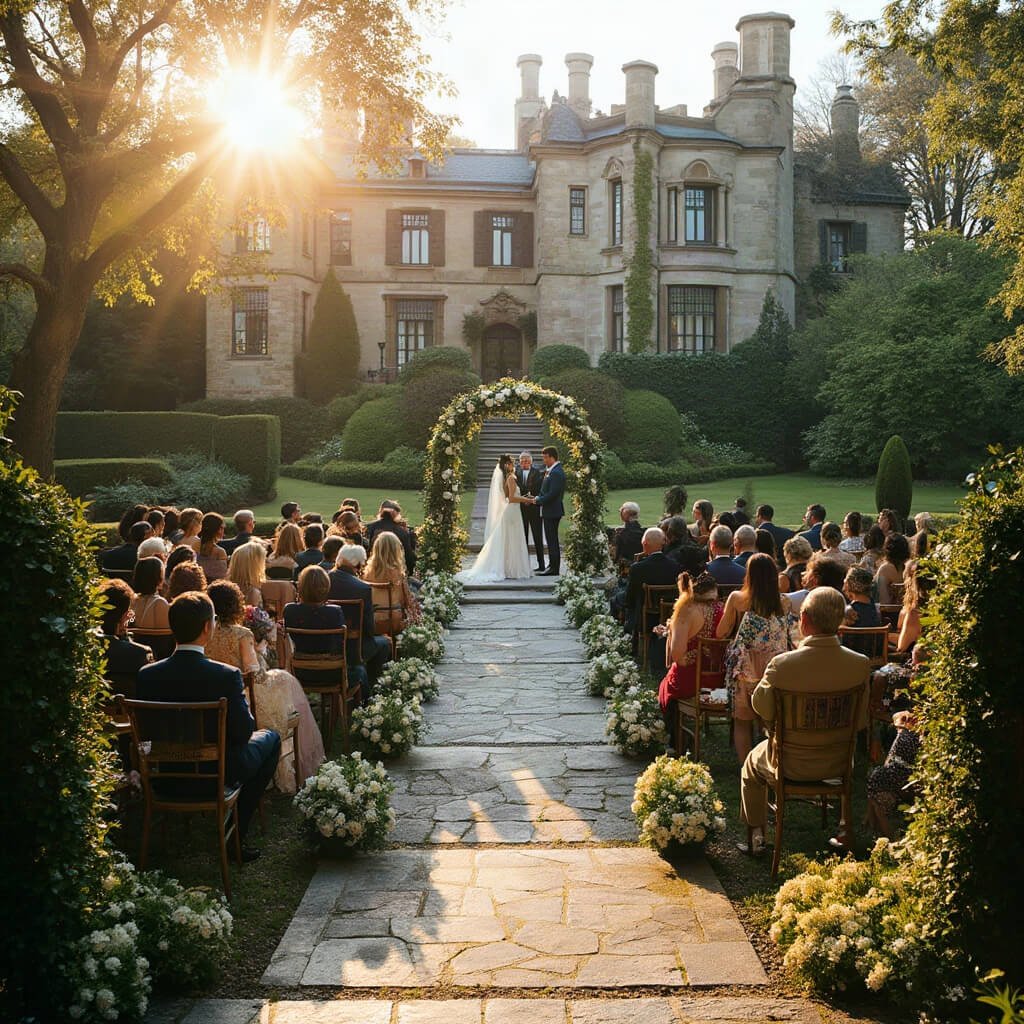
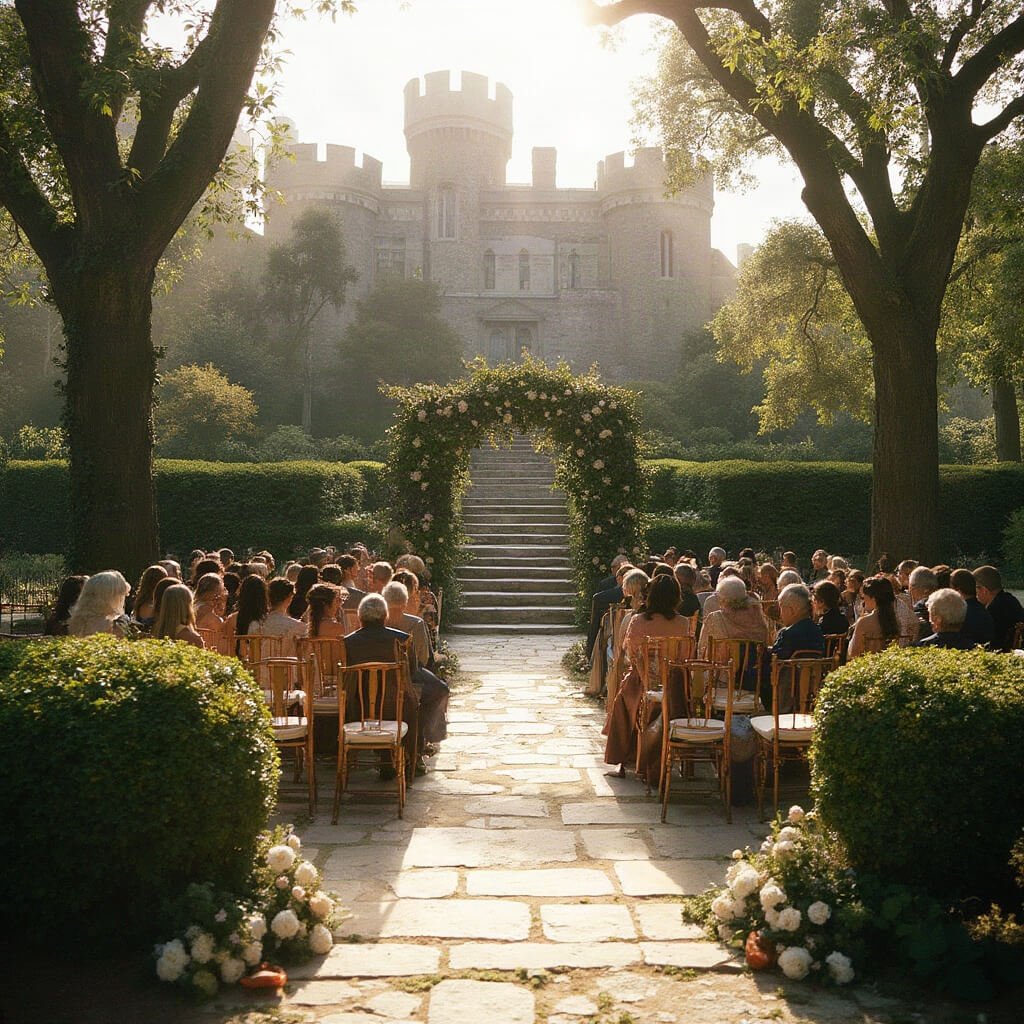
For couples after something that photographs like a film set, a historic estate delivers in a way few other venues can. Grand staircases, manicured gardens, multiple rooms for ceremony and reception, and often the option to buy out the whole property for total privacy. But older buildings come with older-building problems — limited accessibility, patchy heating, restrooms that weren’t designed with 150 guests in mind, and sometimes strict rules about candles or amplified sound that the venue coordinator will mention almost apologetically halfway through your tour. Candlelit dinners, staircase portraits, and a garden ceremony with vintage furniture dotted about play beautifully to this setting’s strengths.
Barn or farm
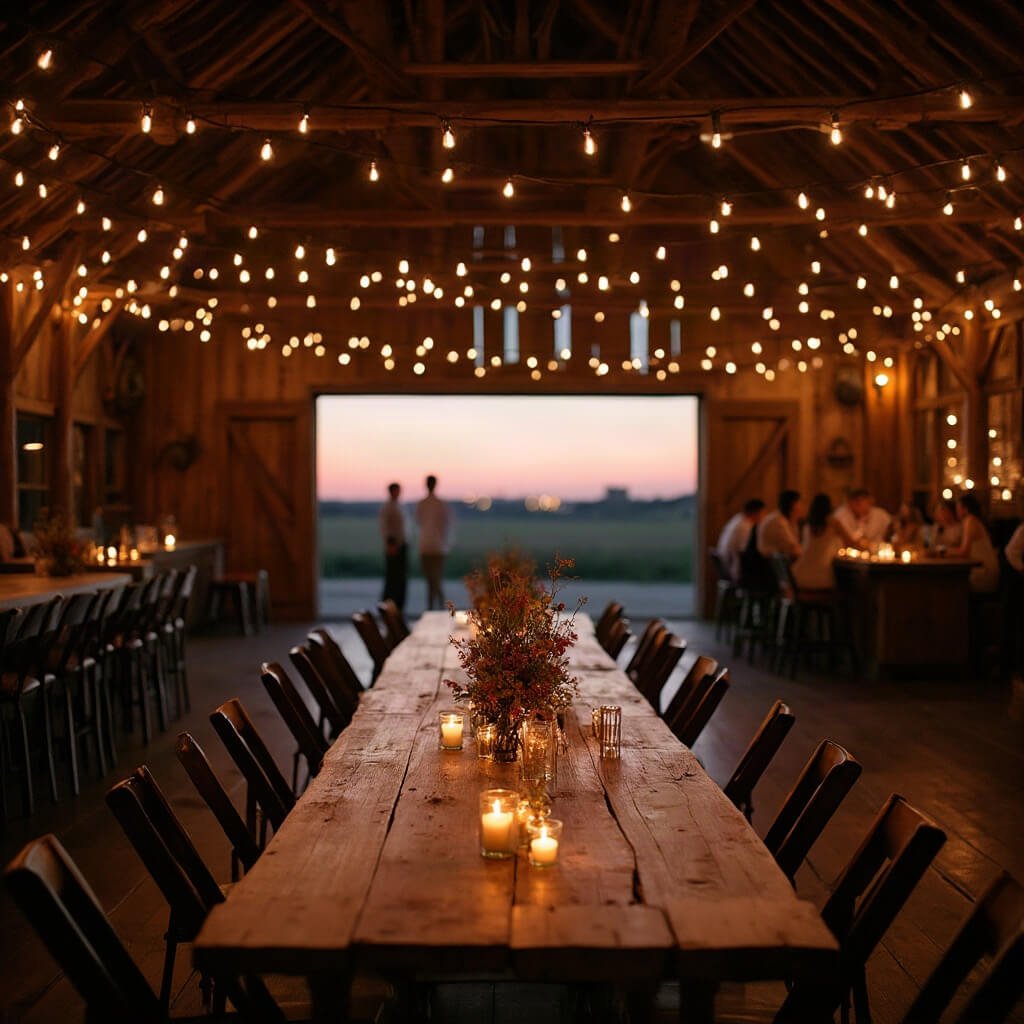
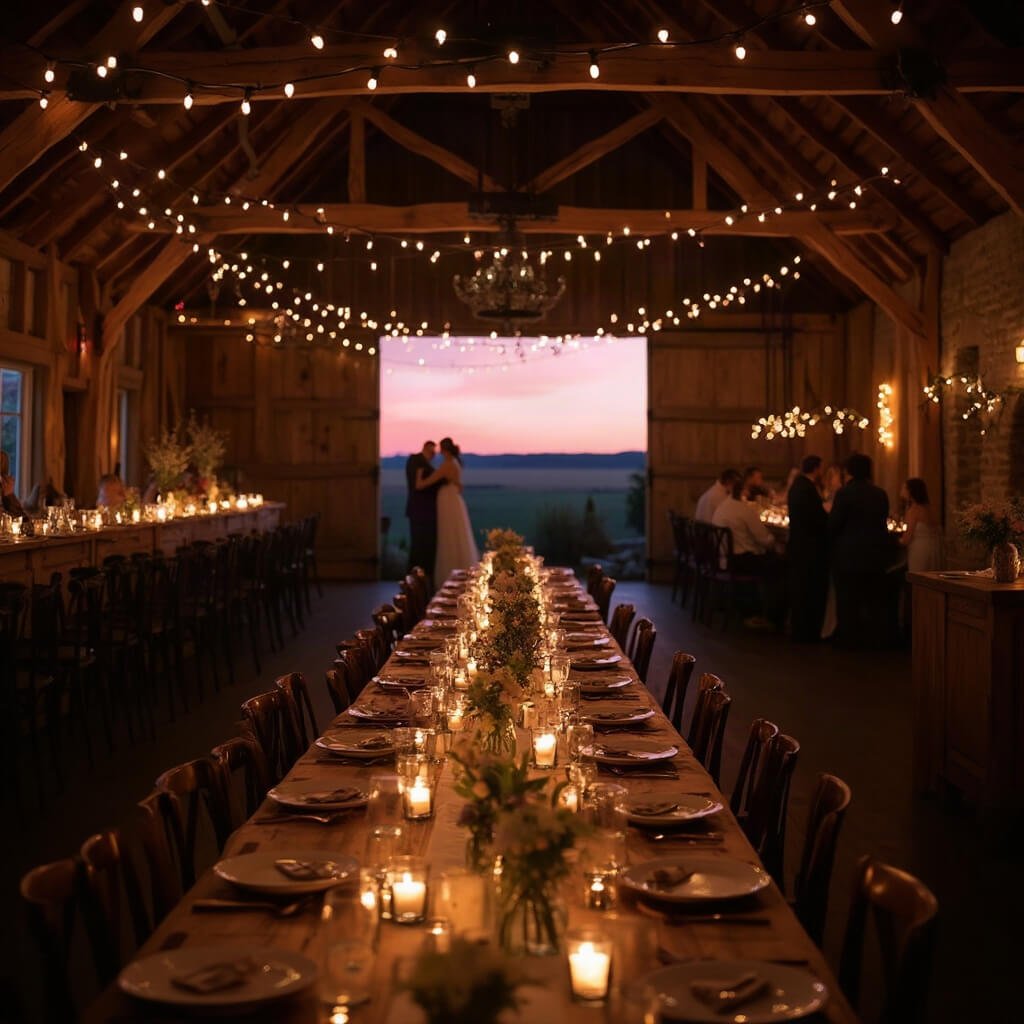
Barns have become something of a wedding cliché at this point, and I’ll admit I’m slightly tired of the string-lights-and-mason-jars look — but there’s a reason it’s stuck around. The visual identity is strong straight out of the box, outdoor space is usually generous, and farm-to-table catering feels natural rather than forced. The practical downsides are real, though: weather risk, uneven ground for anyone in heels, restrooms that might mean a portable unit round the back, and a location far enough from town that you’ll need to think about transport for guests. Long farm tables, local flowers, and a cocktail hour wandering between fruit trees make the most of what the setting already gives you for free.
Garden, botanical garden, or arboretum
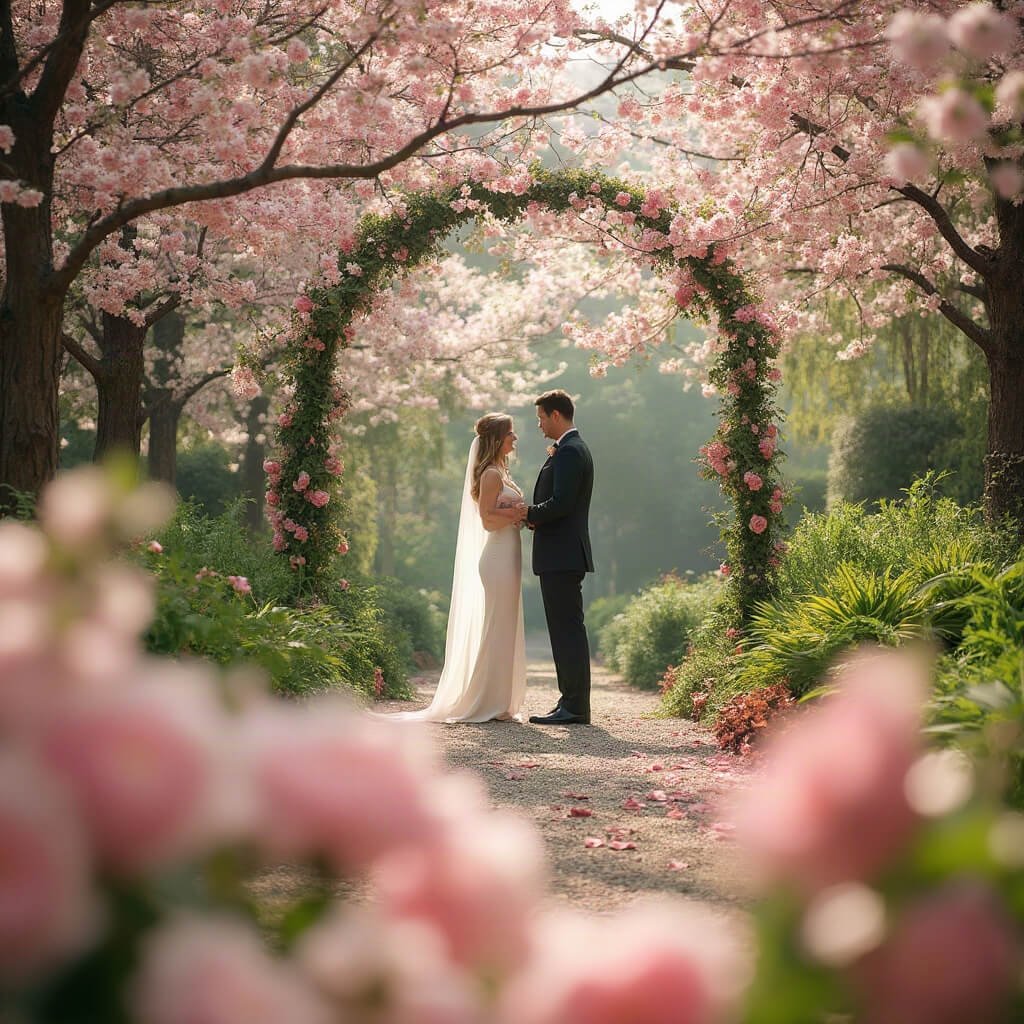
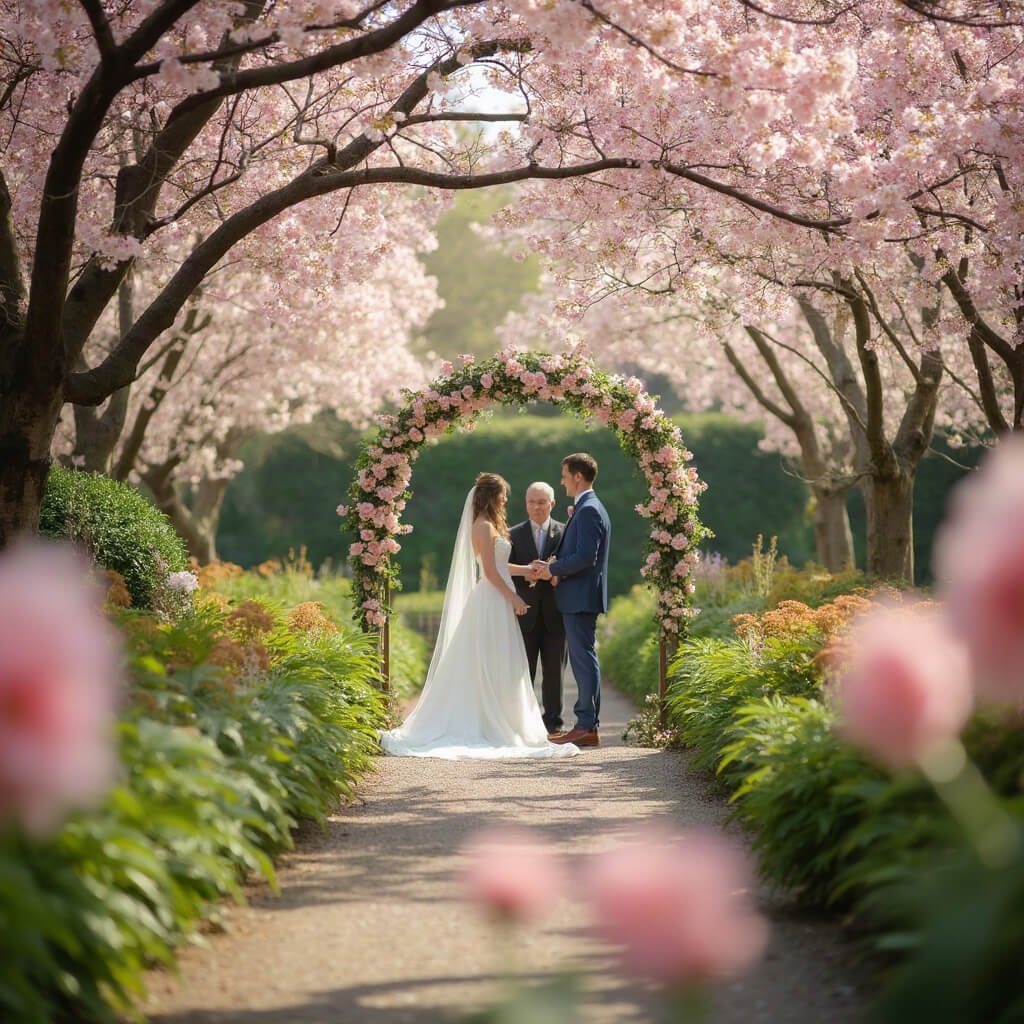
If you want built-in scenery and don’t want to spend a fortune on flowers, a botanical garden does a lot of the work for you. The backdrop is already there, blooming on its own schedule, and photography tends to look effortless. Explore luxury garden wedding venue inspiration for ideas that complement a garden setting. The obvious risk is weather — heat, wind, rain, and the occasional wasp — along with restrictions some gardens place on candles, confetti, or amplified music that could clash with your plans. Always ask how guests move between the ceremony spot, cocktail area, and reception space, and don’t assume gravel paths and grass lawns are kind to every guest’s mobility or footwear.
👇Shop the Look Here👇
Vineyard or winery
There’s a reason vineyard weddings keep turning up on inspiration boards — rows of vines at golden hour do half the photographer’s job for them. You get an in-house beverage programme, a strong sense of place, and usually a tasting room that doubles as a backup space if the weather turns. The downsides tend to be about control: many wineries insist you serve their wine and nobody else’s, which is fair enough commercially but can feel restrictive if you’d planned a signature cocktail menu. Harvest season brings its own headaches too — if your date falls during picking and pressing, don’t be surprised if parts of the property are off-limits or the staff are visibly distracted by grapes rather than guests. A barrel-room dinner or a family-style reception among the vines makes the most of the setting without fighting it. Explore Different Types of Wedding Venues to Set the Perfect Scene
Beach, lakeside, or waterfront venue
Water does something to a wedding that’s hard to replicate indoors — there’s a stillness to it, even when there’s a breeze coming off the waves. But beaches are unpredictable in ways that inland venues simply aren’t. Tides move your ceremony spot without asking permission, sand plays havoc with heels and hems, and permits for public beaches can be more bureaucratic than people expect. I’d always tell a couple planning a beach wedding to sort out a genuinely usable indoor backup, not just a gazebo with a tarpaulin over it, because “we’ll just move it if it rains” rarely goes as smoothly as imagined on the day. Flip-flops in baskets, shaded seating, and plenty of water for guests standing on sand in the midday sun go a long way toward keeping everyone comfortable. elegant terrace wedding venue inspiration
Mountain lodge, ski resort, or forest retreat
These suit couples who want the wedding to feel like part of a bigger trip rather than a single afternoon. Guests arrive Thursday or Friday, there’s hiking or skiing built into the weekend, and the ceremony itself becomes one highlight among several rather than the entire point of the visit. The scenery does an enormous amount of visual work for very little styling effort. What catches people out is logistics — roads that close with snow, limited local caterers and florists who can actually get there, and lodging costs that creep up once you’ve booked rooms for forty guests for three nights rather than one. Fireside rehearsal dinners and a ceremony with the view doing the talking suit this setting far better than heavy floral installations ever could. enchanting forest wedding venue inspiration
Private home, family property, or backyard
This is the one that sounds cheapest and sometimes ends up costing more than people expect, once everything the venue would normally have supplied gets added back in piece by piece. The emotional pull is obvious — getting married in the garden where you grew up, or at a family member’s farm, carries a weight no rented venue can match. But a house that’s perfectly comfortable for a dinner party of twelve is not set up for a wedding of eighty. You’ll likely need to hire in toilets, a generator, a marquee, flooring, tables, chairs, and probably a cleanup crew, and someone needs to think about where 40 cars are going to park without blocking the neighbours in. I know a couple who got married in her parents’ garden and spent the morning of the wedding discovering the septic tank couldn’t cope with the extra guests — not the memory they wanted, and entirely avoidable with better planning. It’s currently a popular direction for couples who want something personal and a bit less generic than a hired hall, and it can genuinely work, provided you treat it as seriously as you would any other venue — insurance, permits, and all. charming backyard wedding venue setup
Restaurant or private dining room
For couples who care more about the food than almost anything else, a restaurant buyout or private dining room cuts out a huge amount of the usual compromise. You’re working with a kitchen that already knows what it’s doing, furniture and atmosphere that’s already dialled in, and a team used to service rather than assembling it from scratch for the day. The catch is space — most restaurants can’t give you room for both a sit-down dinner and proper dancing, so if a big night on the dance floor matters to you, this probably isn’t your venue. A chef-led tasting menu or a family-style dinner plays to the format’s real strength, which is quality over spectacle.
Museum, art gallery, library, or cultural institution
These venues hand you atmosphere you couldn’t buy with any amount of styling budget — soaring architecture, interesting light, a sense of occasion before a single flower’s been placed. The restrictions, though, can be considerable. Open flame is often banned outright, alcohol near artwork makes some institutions nervous, and loading docks weren’t designed with floral deliveries in mind. Expect more complicated vendor logistics than almost any other venue type on this list, and build in extra planning time for it. Keep décor minimal and let the architecture or the collection do the talking — a gallery doesn’t need much help looking good. intimate city hall wedding venue ideas
Industrial loft, warehouse, or converted factory
Exposed brick, steel beams, big windows — this is the venue style for couples who’d rather their wedding looked like an art show than a fairy tale. The blank-canvas quality is the whole appeal; you can build almost any atmosphere inside one of these spaces with lighting and furniture alone. The reality check is comfort: these buildings weren’t built with climate control or soft acoustics in mind, so voices bounce, heating struggles in winter, and you’ll likely need to hire in everything from restrooms to a proper kitchen setup. Budget for that before you fall for the exposed concrete.
Rooftop venue
Skyline views give you a dramatic, modern atmosphere that’s hard to recreate anywhere else, and sunset ceremonies on a rooftop photograph beautifully almost without trying. But wind is the silent dealbreaker here — table linens take flight, candles won’t stay lit, and hair and makeup don’t survive contact with a gusty evening the way they do indoors. Always confirm the indoor backup space, check what happens to guest flow if the lift’s slow and there are 100 people trying to get up at once, and ask directly about sound restrictions, because many rooftop venues sit above residential neighbours who won’t appreciate a DJ at 11pm.
Everything else worth considering
A handful of other formats are worth a mention, even briefly, because they suit specific kinds of couples very well: breweries and distilleries for a casual, beverage-led atmosphere; food halls and culinary markets for couples who want guests mingling over varied food rather than seated through courses; boats and yachts for something genuinely memorable, so long as you’ve thought about seasickness and tight departure windows; theatres and concert halls for couples who want a proper entrance and acoustics built for a live band; libraries and bookshops for a smaller, quieter, more personal gathering; and at the furthest edge, zoos, aquariums, deserts, and quarries for couples who simply don’t want a conventional day at all. Each of these comes with its own very specific restrictions, so the research phase takes longer — but for the right couple, that effort is entirely worth it. How to Choose the Right Wedding Venue for Your Big Day
If your guest list is small
Micro-weddings and elopements deserve their own mention, because they open up venues that simply aren’t viable for 120 guests. A private dining room, a courtyard, a boutique hotel suite, or a corner of a national park all become possible once you’re working with twenty people or fewer, and the budget stretches much further per guest as a result. The one thing to watch for is minimum spend — some venues charge nearly the same minimum whether you bring 20 guests or 80, which can make an intimate wedding surprisingly expensive per head. For elopements specifically, sort out the marriage licence and officiant logistics well before you fall in love with a clifftop or a courthouse steps — paperwork rarely cares how good the view is. intimate wedding venue settings to consider
If I had to leave you with one piece of practical advice out of all this, it’s to tour with your actual priorities in hand rather than a vague sense of what looks nice online, because the gap between a beautiful photograph and a workable wedding day is where most of the stress in this process comes from. Whatever direction you take with your wedding venue ideas, visit in person, ask the awkward questions about capacity and cost, and trust your gut over the Instagram grid.
👇Shop the Look here 👇