Gender neutral baby shower planning tends to start with one nervous question: how do you make it feel like a proper celebration without leaning on pink and blue? I get asked this a lot, usually by whoever’s organising the shower rather than the parents themselves, and the answer is simpler than people expect. It’s not about stripping colour and personality out of the event. It’s about choosing a different starting point.
A gender-neutral shower isn’t a workaround for not knowing the baby’s sex, though that’s often part of it. It’s a deliberate choice to centre the celebration on the baby and the parents rather than on gender assumptions. Some parents know exactly what they’re having and still want a neutral shower, because they’d rather the day be about excitement and support than about matching everything to a colour that supposedly signals boy or girl. Others haven’t found out yet. Others still don’t want to know until the birth. All of these are completely valid reasons, and none of them require you to default to beige and call it a day.
What “Gender Neutral” Actually Means at a Baby Shower
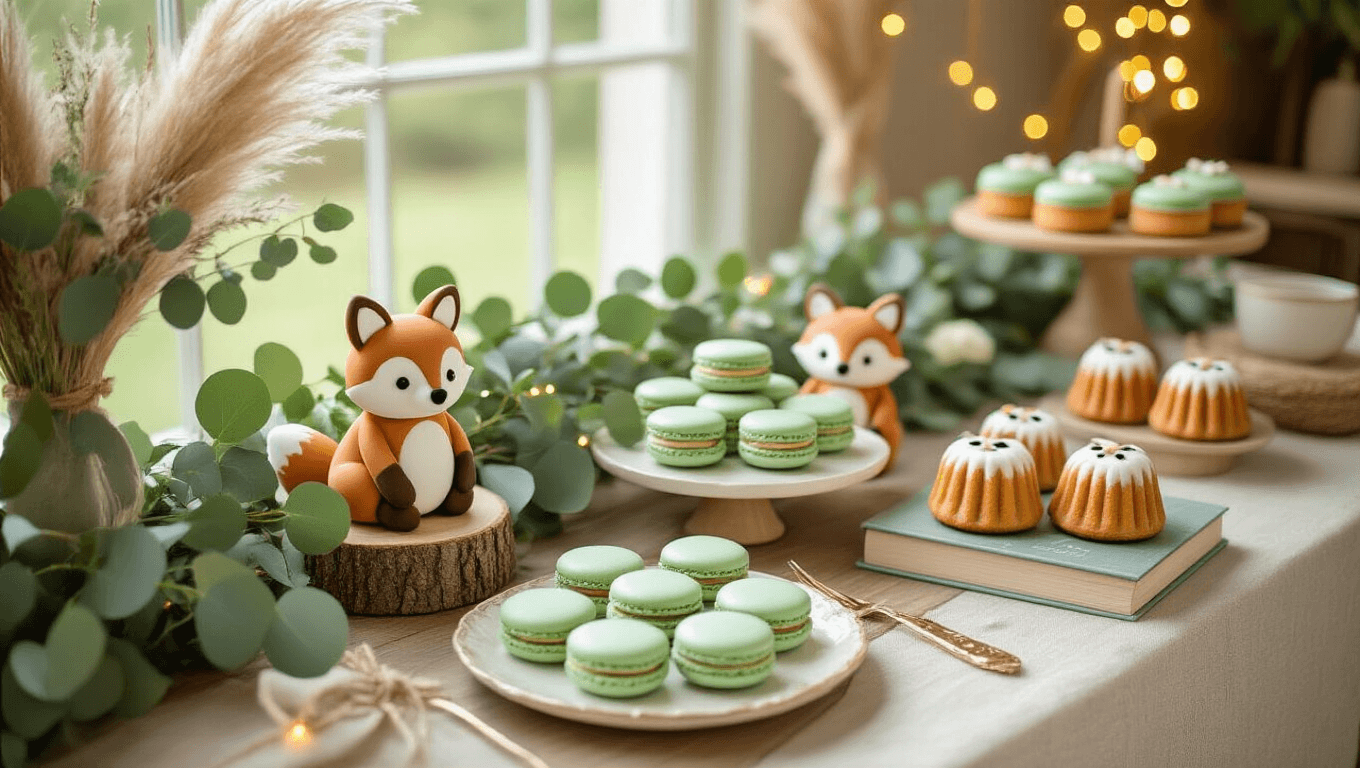
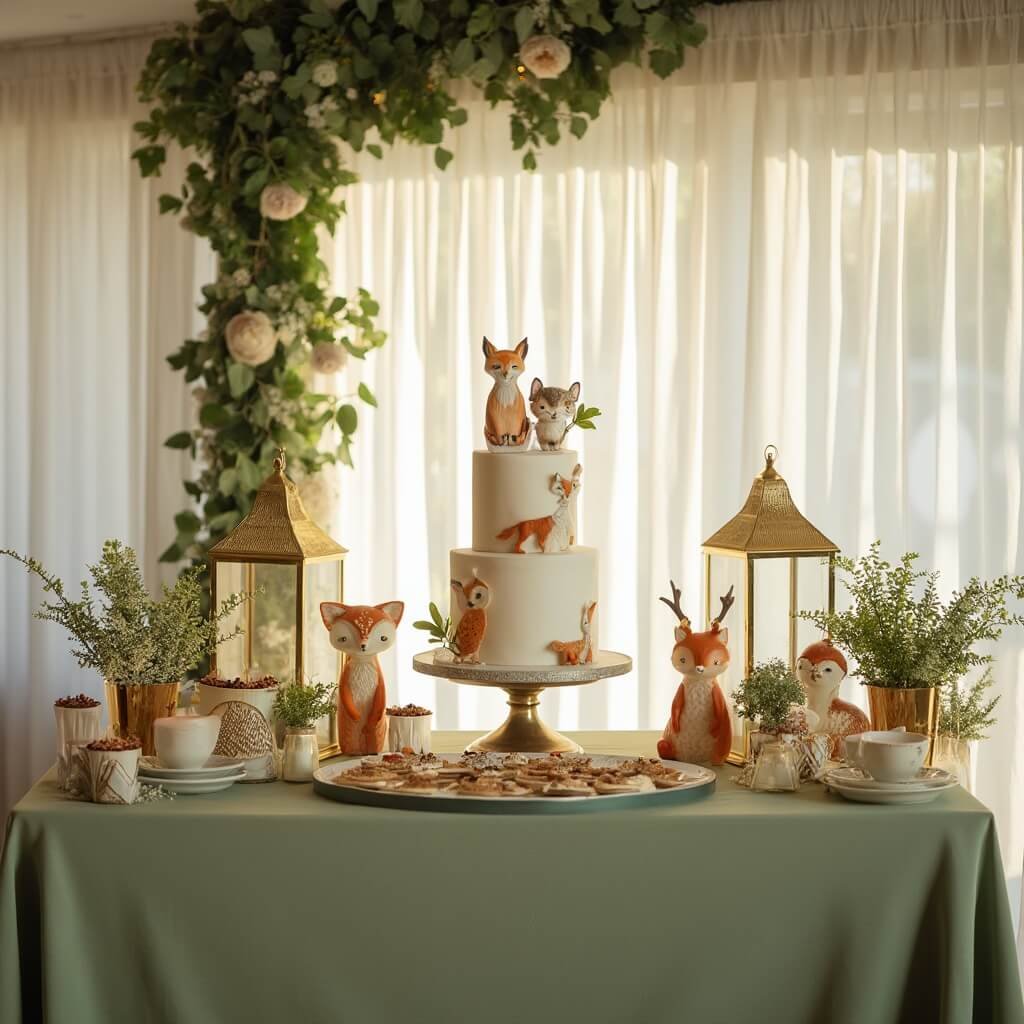
The phrase gets used loosely, so it’s worth being precise. In practice, gender-neutral means avoiding the traditional blue-for-boys, pink-for-girls coding, and it means choosing themes, wording, and activities that don’t assume anything about the baby before they’ve arrived. It doesn’t mean neutral in tone. A woodland theme with foxes and deer isn’t boring. A rainbow-and-clouds setup with brass fairy lights isn’t muted. If anything, I’d argue gender-neutral showers often end up more visually interesting than the traditional kind, because you’re not limited to two colours and a stork motif.
There’s also a values element worth naming honestly. A lot of parents now choose neutral showers because they want the day to feel welcoming regardless of family structure — single parents, LGBTQ+ couples, blended families — and because they’d rather not reinforce gender stereotypes before the baby’s even born. That’s not a controversial stance, whatever certain relatives might mutter about it over the vol-au-vents.
It’s also worth separating a baby shower from a gender reveal party, because people conflate the two more than they should. A shower is about community, gifts, and celebrating the parents. A gender reveal is specifically about announcing the baby’s sex, usually with balloons, confetti cannons, or something involving a cake that’s a different colour on the inside than the outside. You can fold a small reveal moment into a neutral shower if the parents want that — keep the core decor and language neutral, then have a brief, contained reveal moment near the end — but treating the whole event as a reveal party changes what it is. I’d keep them distinct where you can.
Getting the Planning Basics Right Before You Pick a Theme
Before you get anywhere near Pinterest boards, have an actual conversation with the parent (or parents) about what gender-neutral means to them specifically. Some want zero pink or blue anywhere. Others are fine with pastel blue as an accent colour because they don’t associate it strongly with gender at all — colour associations are more personal than people assume. Ask directly rather than guessing.
You’ll also want to establish early on:
- Whether the baby’s sex is known, unknown, or being deliberately withheld
- Roughly how many guests, and whether it’s a sit-down affair or a casual drop-in
- Budget — and be honest about this before you fall in love with a balloon installation that costs more than the pram
- The general vibe: relaxed garden picnic, elegant afternoon tea, or something more like a stylish minimalist brunch
I once helped plan a shower where we spent a solid twenty minutes debating sage green versus terracotta as a base colour, only for the mum-to-be to say she just wanted “anything that isn’t cold,” meaning temperature, not tone. We’d been overthinking the aesthetic when she was picturing a chilly church hall in November. Worth asking the boring practical questions before the fun design ones.
For timing, I’d work backwards from the date like this:
- 8–10 weeks out: settle on theme and colour palette
- 6–8 weeks out: confirm venue, whether that’s a hired space or someone’s garden
- 4–6 weeks out: send invitations
- 2–3 weeks out: menu, games, and favours locked in
- Final week: décor, backdrop, and whatever your one “wow” moment is going to be — a balloon arch, a styled cake table, that sort of thing
You don’t need every element to be a showstopper. Pick one thing to really invest effort into and let everything else support it quietly. Trying to make the invitations, the cake, the backdrop, and the favours all equally spectacular is how budgets balloon and hosts burn out by week three.
Themes That Work Without Any Pink or Blue in Sight
This is where gender-neutral showers get genuinely fun to plan, because the theme options are wide open rather than restricted by a colour brief.
Nature and Outdoor Themes
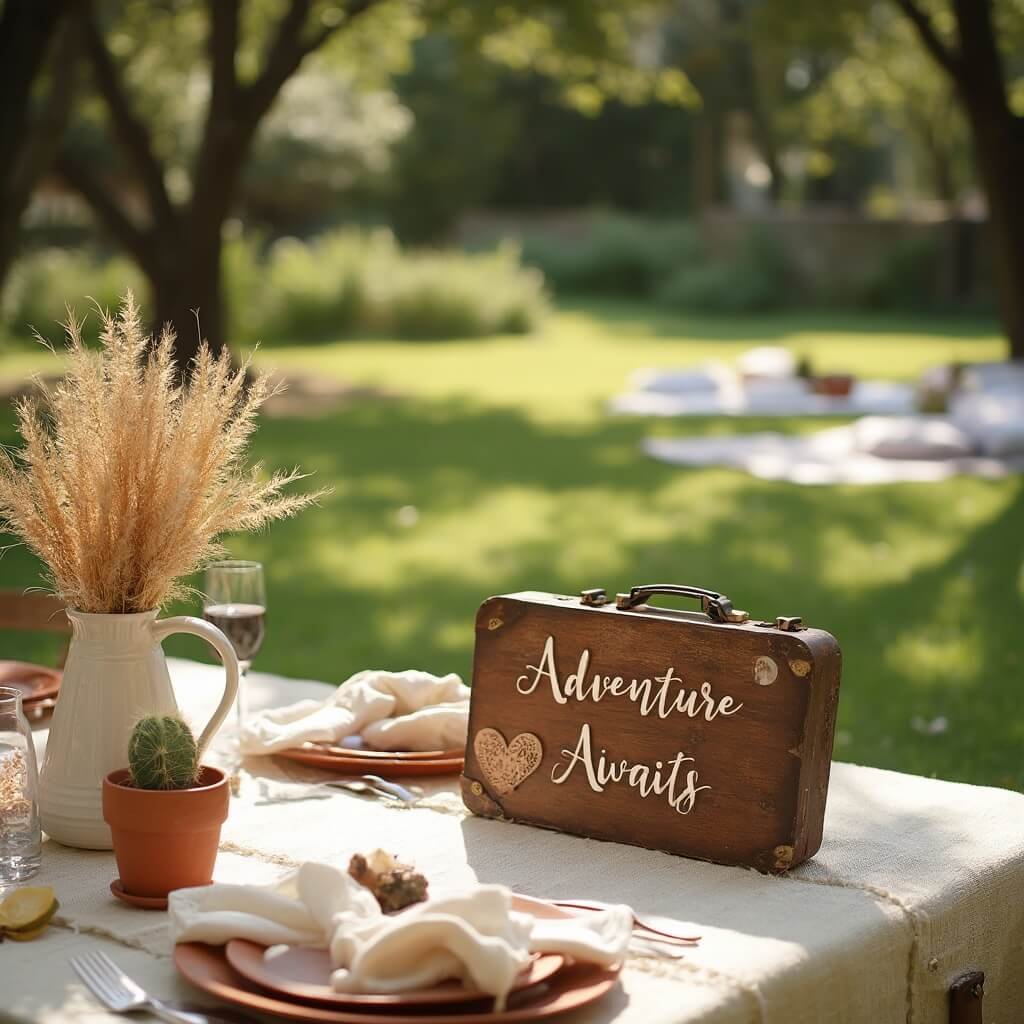
Nature and outdoor themes are reliably popular, and for good reason — they photograph well and the colour palette does most of the work for you. Woodland creature themes (foxes, owls, deer, soft greenery) feel cosy without being twee. A garden party theme leans into fresh flowers and a picnic atmosphere, which works particularly well if you’ve got decent outdoor space and reasonable weather odds. “Adventure Awaits” themes, built around maps, suitcases, and little globes, suit parents who are travellers or just like the sentiment. Camping or glamping themes, with mini tents and a s’mores bar, are a nice option if you want something a bit different from the usual florals.
Celestial Themes
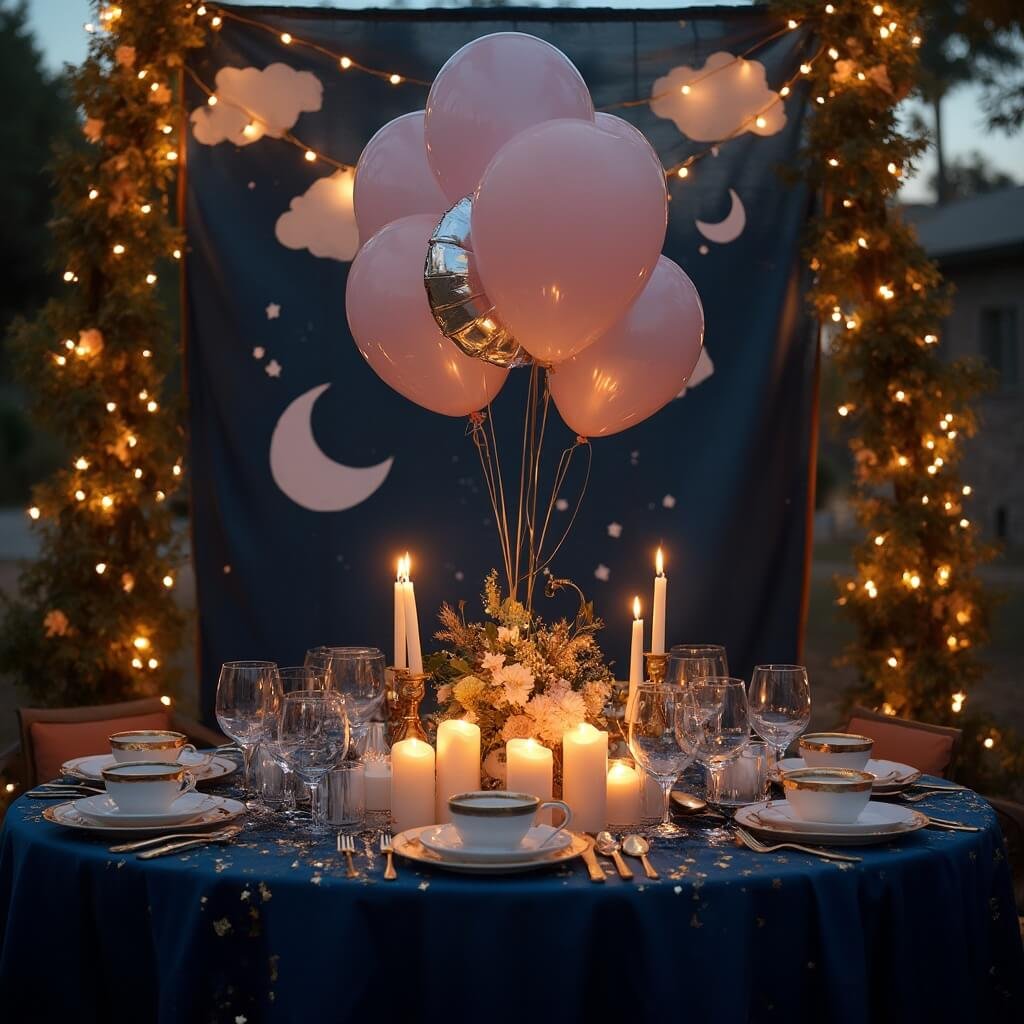
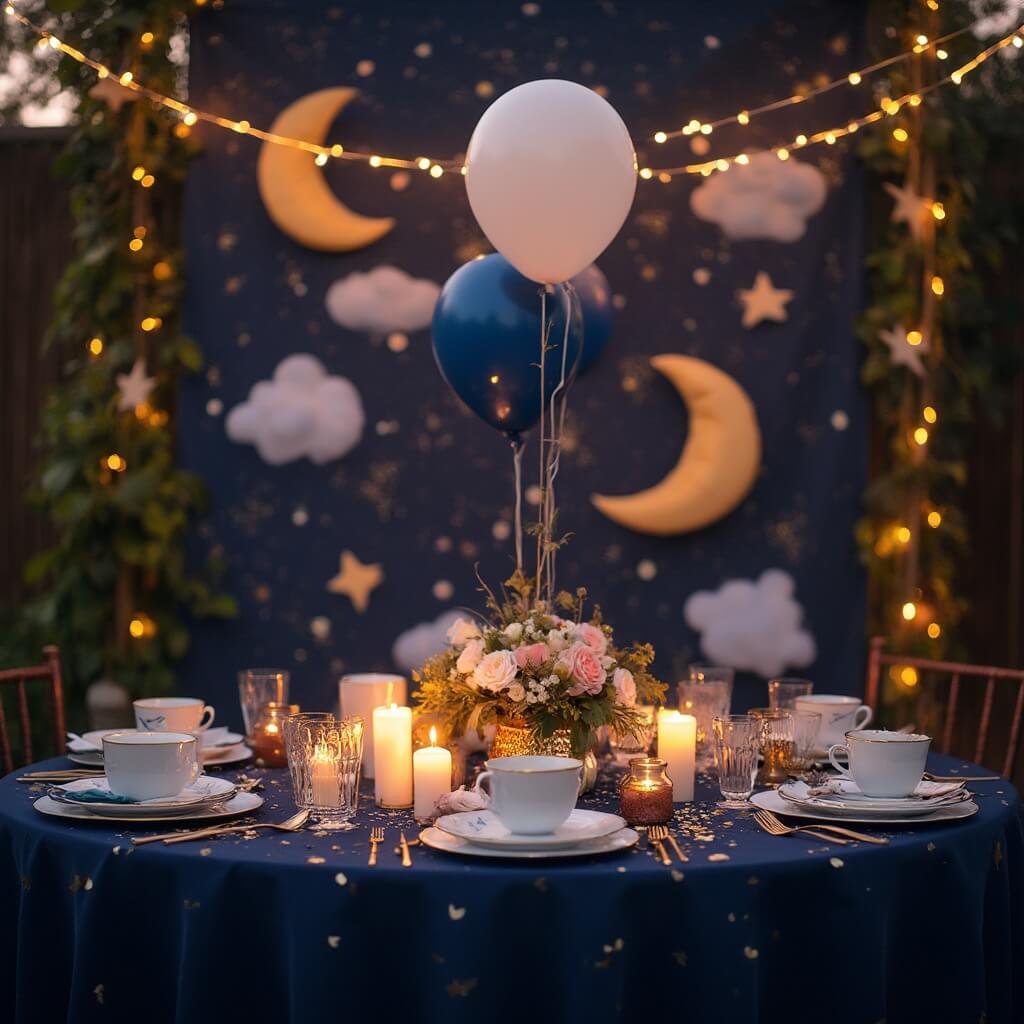
Celestial themes are having a real moment at the minute, and I don’t think that’s going away soon. “Twinkle Twinkle Little Star,” done in navy, gold, and soft white with fairy lights strung everywhere, feels genuinely elegant rather than juvenile. Rainbows and clouds work similarly well, and carry particular meaning for parents celebrating a rainbow baby — it’s worth checking whether that resonates before you assume it’s just a colour choice. Hot air balloon themes sit in the same family, all soft sky tones and whimsical touches, and they’re forgiving if you’re mixing pastel colours you’re not entirely sure “go.”
Earthy, Boho, and Minimalist Themes
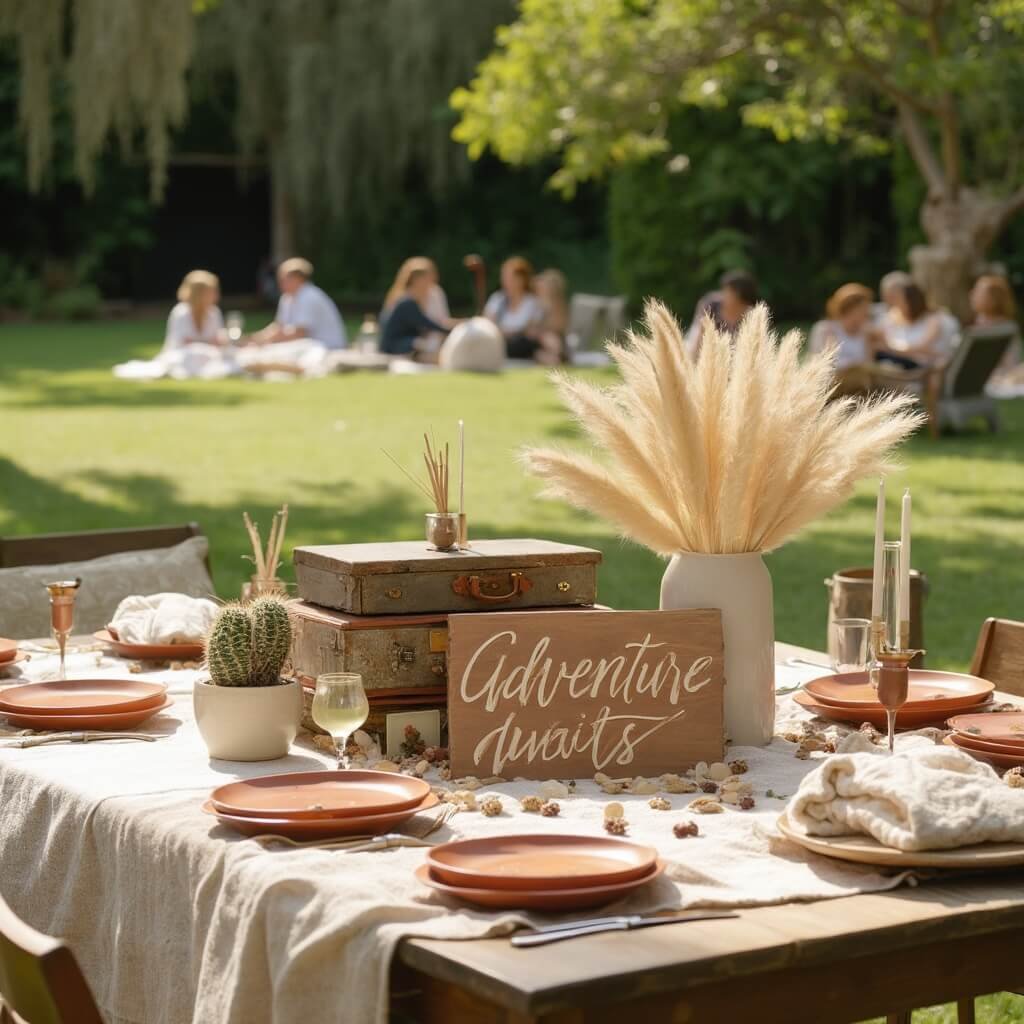
Earthy, boho, and minimalist themes suit parents who find traditional baby shower decor a bit much. Think low picnic-style tables, pampas grass, bamboo accents, and a colour palette of terracotta, sage, and cream. Minimalist themes go even further — white, cream, clean lines, nothing cluttered — and they’re genuinely easier to pull off on a budget than people assume, because you’re not buying much beyond a few well-chosen pieces. Desert and cactus themes fit into this same earthy bracket and work nicely if the parents have a slightly quirky sense of humour about the whole thing.
Animal and Character Themes
Animal and character themes remain some of the most requested, and “Sweet as Can Bee” — yellow, black, white, honeycomb patterns — is a favourite of mine because it’s warm without tipping into saccharine. Elephants with pastel balloons is a classic for a reason. Rubber duck and bathtime themes are sweet and a bit silly, which some parents actively want. Farmyard, under the sea, and vintage circus themes round out this category nicely if you want something more playful.
Storybook and Nursery Rhyme Themes
Storybook and nursery rhyme themes give you an easy way to make the shower feel personal, especially if you ask guests to bring a favourite children’s book instead of a card — it doubles as a lovely start to the baby’s library and sidesteps the pile of cards nobody quite knows what to do with afterwards. Peter Rabbit themes work particularly well here, all soft countryside colours and vintage book displays.
Then there are the food-and-fun concept themes, which are less about visuals and more about the overall experience — “Ready to Pop,” built around popcorn and balloon decor, or “A Baby Is Brewing,” which leans into a tea or coffee bar setup depending on what the parents actually drink.
For more inspiration, explore our sage green baby shower decor ideas!
👇Shop the Look Here👇
### He or She: What Will It Be?
If you want a hybrid approach — **neutral shower** with a guessing element built in — “He or She: What Will It Be?” works without derailing the whole aesthetic. Keep the core decor neutral and let guests cast their votes through something contained, like coloured golf balls dropped into a jar or a chalkboard tally. Team Boy versus Team Girl can run the same way, where guests wear a colour to signal their guess but the tablescape, the cake, and the signage stay firmly in neutral territory. It’s a nice compromise for families where someone’s inevitably going to ask “but what do you actually think it is” no matter how firmly you’ve briefed them beforehand.
### Colour Palettes That Do the Heavy Lifting
Once you’ve picked a theme, the **colour palette** mostly chooses itself, but it helps to have a shortlist in your head before you start browsing. Green, grey, beige, taupe, and mustard yellow are the reliable neutrals that show up again and again, and for good reason — they photograph beautifully and they don’t read as “trying to avoid pink and blue,” they just read as tasteful. Sage green, terracotta, and cream is the earthy trio I’d reach for nine times out of ten if I wasn’t sure what else to pick. Soft peach and dusty lilac get used a lot too, and interestingly, plenty of parents consider pastel blue and even blush pink perfectly neutral so long as they’re not paired specifically to signal a sex — it’s really about intent rather than the colour itself.
Where this plays out practically is in the small decisions: balloon garlands in cream, sage, and gold rather than the classic pastel pink-and-blue mix; a dessert table styled with muted greenery rather than bright primary colours; signage in a simple serif font on wood or acrylic rather than glittery card. None of this needs to look expensive. A garland made from three tissue-paper colours and some eucalyptus off-cuts looks considerably better than a lot of shop-bought bunting, and costs about a tenth as much.
For the actual decor set pieces, I’d prioritise in this order:
– **A backdrop or photo zone** — even a simple curtain in your base colour with a balloon arch does the job, and it’s where most of your photos will end up.
– **A cake or dessert table**, styled as the visual centrepiece rather than tucked in a corner.
– **A comfy chair for the parent-to-be**, dressed with cushions or a floral garland so it doesn’t just look like someone dragged a dining chair over.
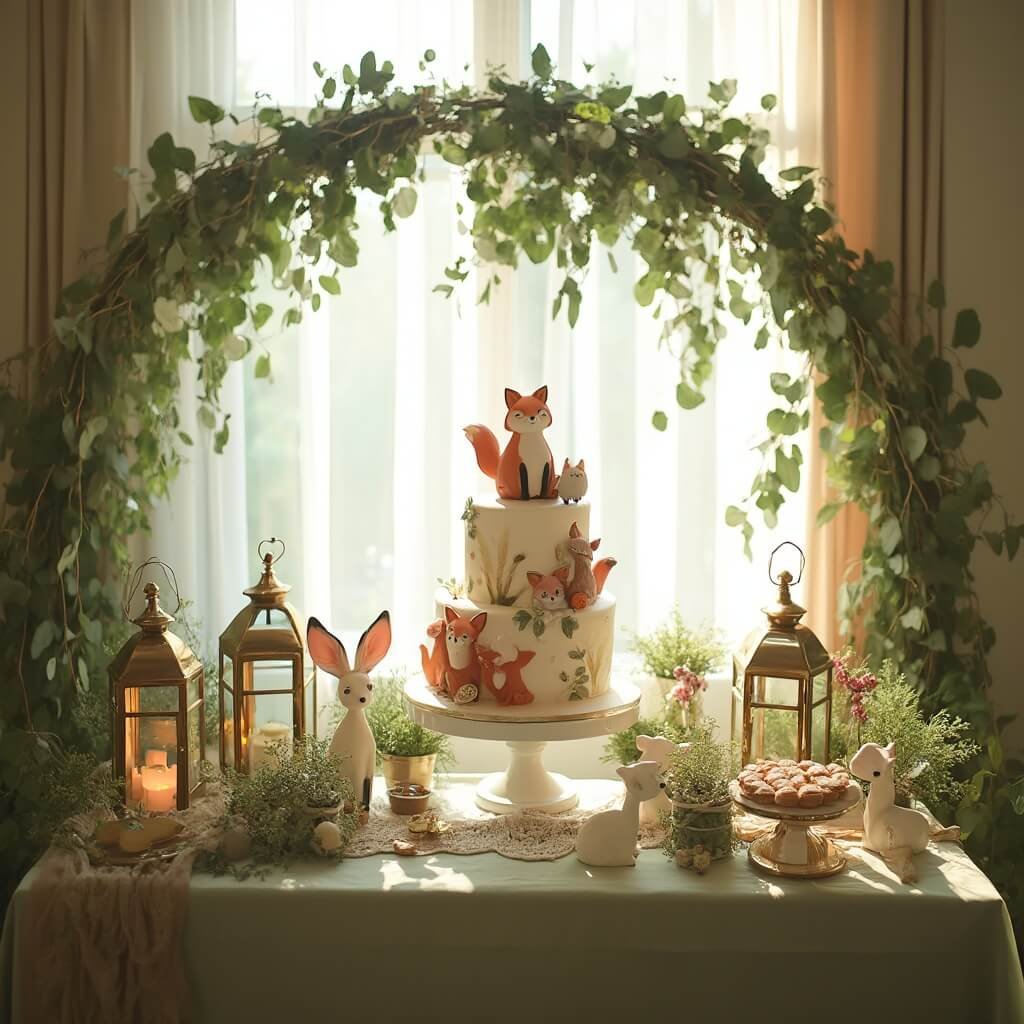
Everything else — table runners, name signage, favour displays — supports these three things rather than competing with them.
### Invitations Without the “It’s a Boy/Girl” Default
**Invitation wording** trips people up more than it should. The instinct is to reach for something gendered because that’s what most templates default to, so you have to actively choose something else. “Join us to celebrate Baby Thompson” works fine. So does “Oh Baby!” or “A little one is on the way” — slightly twee, but it does the job and matches almost any theme. If you want something a bit warmer and more personal, “Honouring Sarah and Tom as they prepare to welcome their little one” reads nicely on a formal invite.
Keep the practical details clear and simple: mention the date, time, location, and RSVP method as normal, and only add a dress code note if it’s genuinely relevant — an outdoor picnic where you want people in flat shoes, say, or a guessing game where guests are asked to wear pink or blue. If the parents want a book instead of a card, say so plainly rather than hinting. People appreciate directness on invitations far more than we give them credit for.
### Food That Suits the Occasion, Not Just the Theme
**Baby shower food** doesn’t need to be complicated, and honestly, overcomplicating it is one of the more common mistakes I see hosts make. Finger foods work best regardless of theme — sliders, Caprese skewers, a decent fruit platter — because people are standing, chatting, and holding a drink at the same time, and nobody wants to be wrestling with cutlery.
Where the theme comes in is through smaller, specific touches rather than a full menu overhaul. A “Sweet as Can Bee” shower might have honey drizzled over a cheese board and lemonade in mason jars. A “Ready to Pop” theme practically demands a popcorn bar, and it’s an easy, cheap crowd-pleaser regardless. A “Milk and Cookies” shower can lean fully into its name — a spread of cookies, flavoured milk in little bottles, maybe hot chocolate if it’s cooler weather. For drinks generally, I’d always do a large dispenser of something like cucumber-mint water alongside a proper drink option, because somebody always turns up not drinking and it’s nice for that not to mean squash from a carton.
### Games That Don’t Feel Like a Chore
I’ll be honest, I think **baby shower games** get a bad reputation because so many of them are genuinely tedious — guessing the circumference of someone’s stomach with a piece of string has never once been fun, in my experience, and I include the one shower where I was the one holding the string. The games that actually land well tend to be the low-pressure, meaningful ones. Advice cards for the parents, collected in a wooden box or a simple jar, give people something to do with their hands and leave the parents with something worth keeping afterwards. Baby prediction cards — guessing the due date, birth weight, or hair colour — work the same way and take about two minutes to set up.
If you want something a bit more hands-on, decorating plain onesies or bibs with fabric pens is popular for a reason: guests enjoy it, it’s not remotely competitive, and the parents end up with a stack of genuinely wearable baby clothes rather than another candle. A diaper raffle, where guests bring a pack of nappies for an entry into a small prize draw, works well too and solves the practical problem of nobody quite knowing what to buy.
### Favours, Gifts, and Registry Guidance
**Favours** don’t need to be extravagant, and I’d argue the small, useful ones get appreciated far more than anything branded with “Baby Shower 2024” on it. Candles, mini jars of honey or jam, a small succulent, a sachet of herbal tea — all of these tie into most of the themes above without much effort, and none of them scream “leftover party favour” a week later.
For gifts and registry guidance, it’s worth gently steering people toward neutral colours and genuinely useful items — good blankets, books, practical clothing in greens and creams rather than character-print pastels — but I wouldn’t be too precious about enforcing this. Most guests will follow the lead set by the invitation and decor without needing it spelled out.
### Choosing the Right Setting
A backyard works for almost every theme on this list and it’s the option I’d default to unless there’s a good reason not to — you control the setup, you’re not paying for a venue, and fairy lights make even an average garden look considerably better after dark. A park picnic is a nice lower-cost alternative if space at home is tight, provided you keep the decor simple enough to transport in a couple of trips. Indoor tea parties suit smaller, quieter guest lists and pair beautifully with a “Baby Is Brewing” or storybook theme, particularly if the weather’s not cooperating, which in my experience it rarely does when you’ve planned anything outdoors in the UK.
### Where This Can Go Wrong, and How to Avoid It
The most common issue isn’t the planning — it’s managing expectations among guests who assume “gender neutral” means “we’re not telling you anything and also there’ll be no decorations.” Address this early, either through the invitation wording or a quiet word from whoever’s hosting, and the muttering tends to stop before it starts. The other trap is treating a gender reveal moment as the whole point of the day, which can leave the actual shower feeling like a footnote to a five-minute balloon pop. If the parents want a reveal, keep it brief and let the shower itself carry the afternoon.
If you take one thing from all this, let it be that a **gender neutral baby shower** gives you more creative room, not less — you’re just choosing a starting point that doesn’t rely on colour-coding to do the emotional work. Pick a theme that actually suits the parents rather than whatever’s trending, keep one element as your visual centrepiece, and don’t be afraid to ask the parents the slightly awkward, unglamorous questions before you start ordering balloons.
For more inspiration, you can explore Gender Neutral Baby Shower Ideas and Creative Neutral Baby Shower Themes and Tips.
Additionally, consider checking out these resources for more baby shower inspiration:
– Rainbow baby shower decor inspiration
– Newborn baby gift box ideas
– Bridal shower brunch inspiration
– Whimsical nursery and play space ideas
– Floral decor ideas for baby showers
👇Shop the Look here 👇